
Have you ever wondered about the past tense of “is” and “are”? These common English verbs are used every day, but their past forms can be a little tricky to remember. Let’s dive into the details and clear up any confusion.
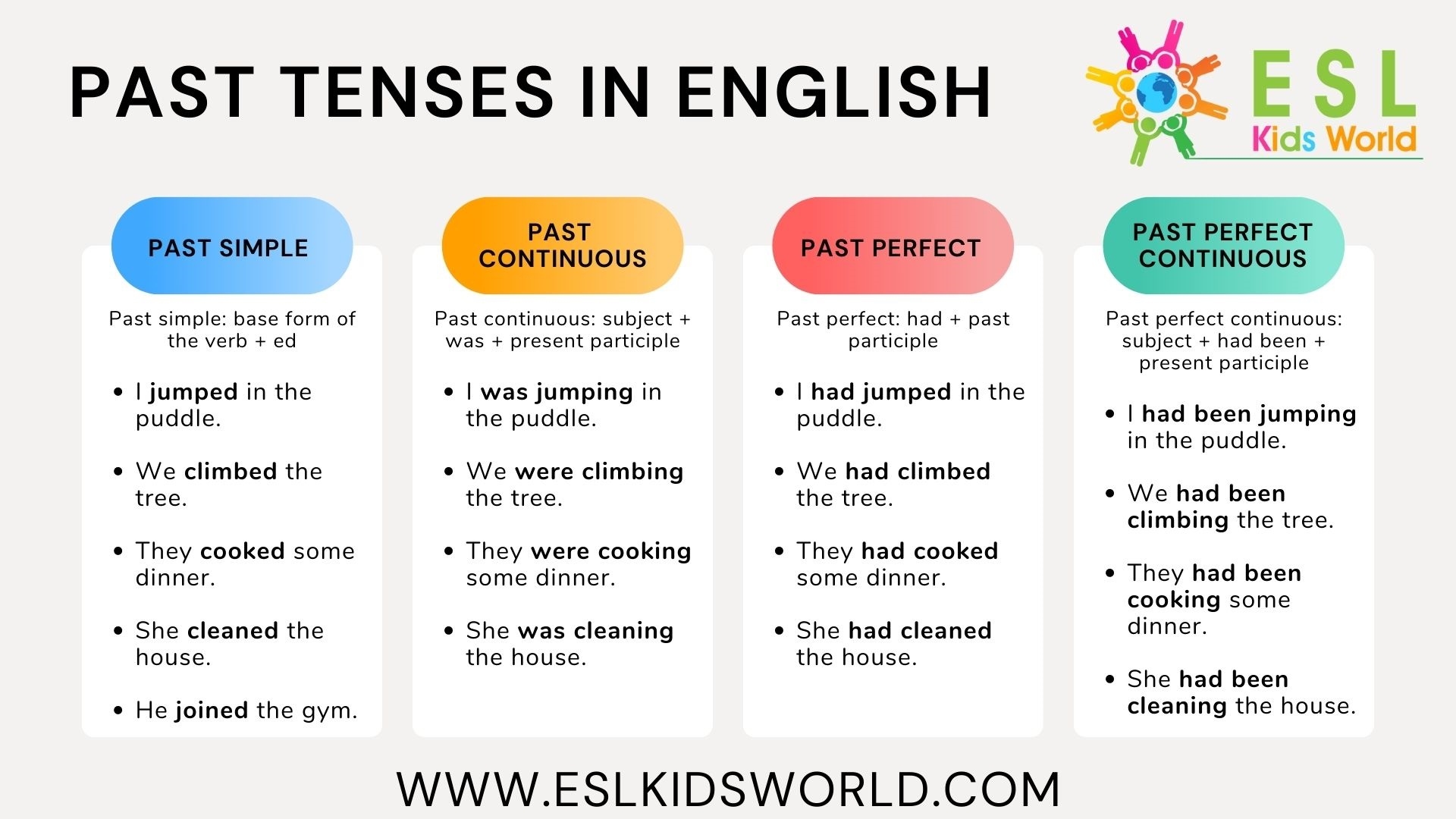
When it comes to the past tense of “is” and “are,” things get simple. The past tense of “is” is “was,” while the past tense of “are” is “were.” It’s as easy as that! Just remember to use the correct form based on the subject of the sentence.
past tense of is and are
Using “was” and “were” in sentences
For example, if you’re talking about a single subject, like “He,” you would use “was.” “He was happy.” On the other hand, if you’re referring to multiple subjects, like “They,” you would use “were.” “They were excited.”
It’s important to pay attention to the subject of the sentence to ensure you’re using the correct past tense form. Practice makes perfect, so don’t be afraid to experiment with different sentences to get the hang of using “was” and “were” correctly.
Next time you find yourself unsure about the past tense of “is” and “are,” just remember this simple rule: “was” for singular subjects and “were” for plural subjects. With a little practice, you’ll be using these past tense forms without even thinking about it.
So, the next time you’re writing or speaking in English, remember to use “was” for singular subjects and “were” for plural subjects in the past tense. Keep practicing, and soon enough, it’ll become second nature. Happy writing!
What Are Past Tense Verbs Meaning And Usage YourDictionary
Past Tenses In English Rules Structures Examples
100 Sentences Of Past Simple Tense EngDic
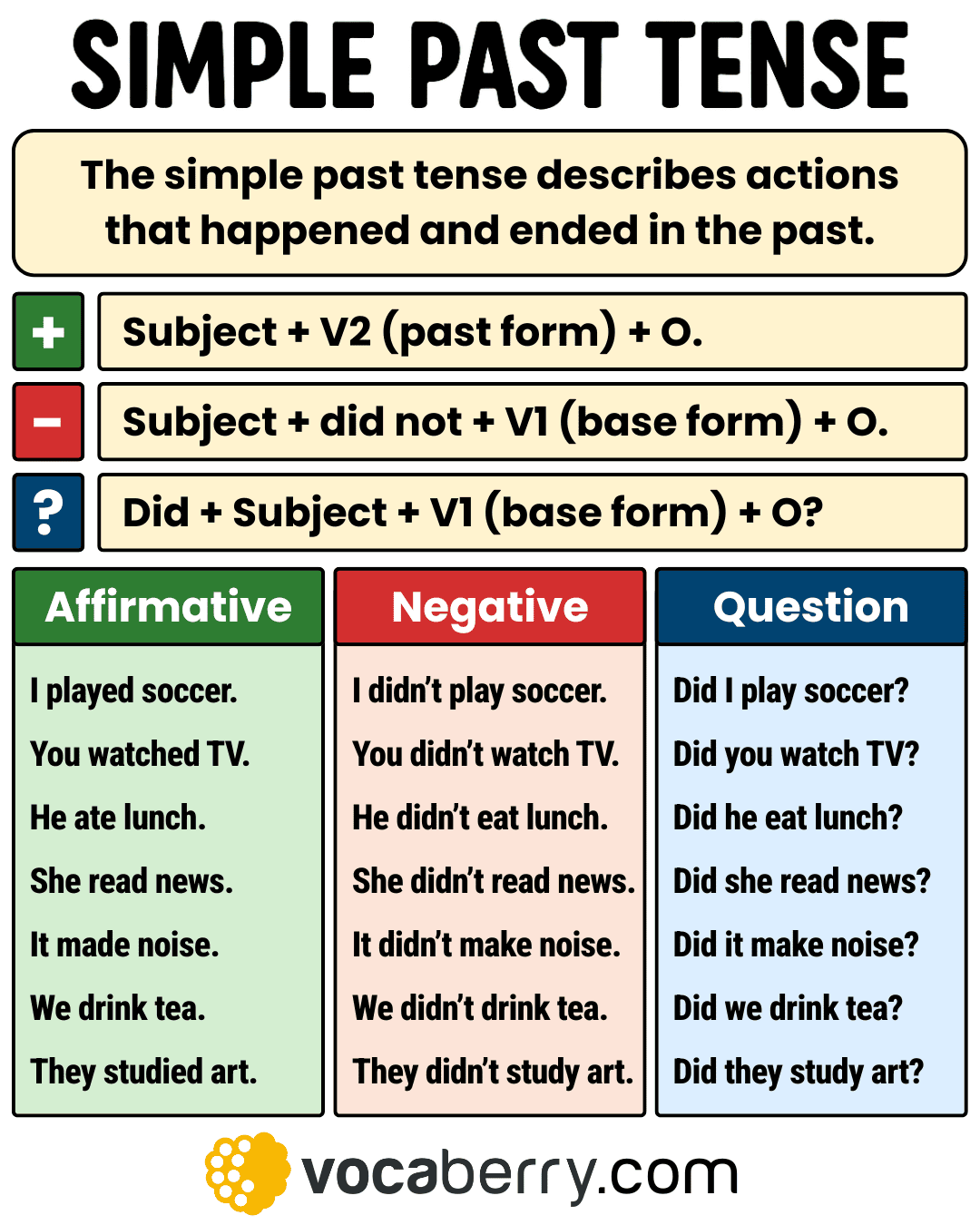
Simple Past Tense Definition Structure Usage Examples
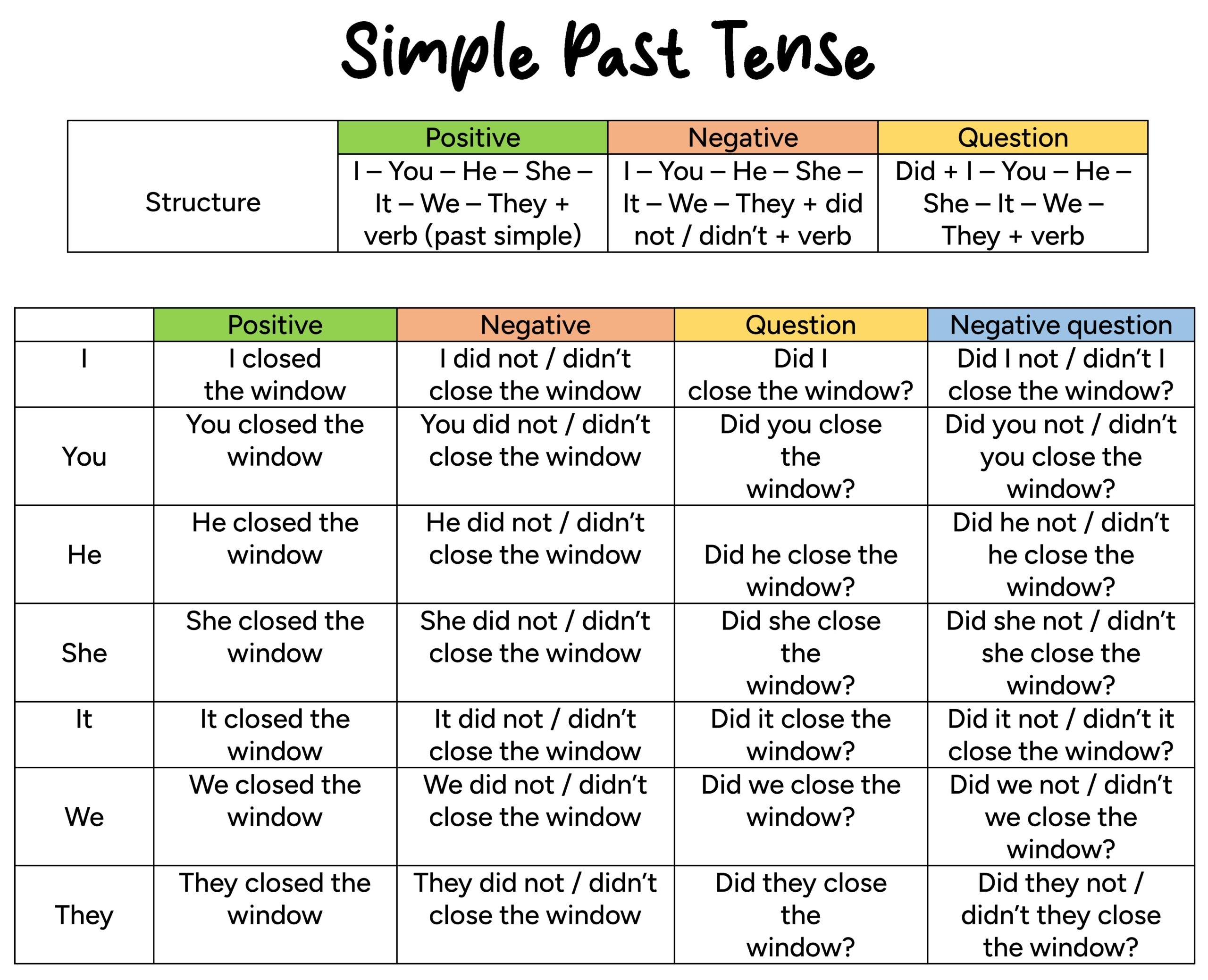
Simple Past Tense English For Yourself