
Have you ever wondered about the past tense of the word “is”? It’s a common question that many English learners and even native speakers have pondered over.
The past tense of “is” is actually “was.” It’s used to talk about something that happened in the past or to refer to a state of being that no longer exists.
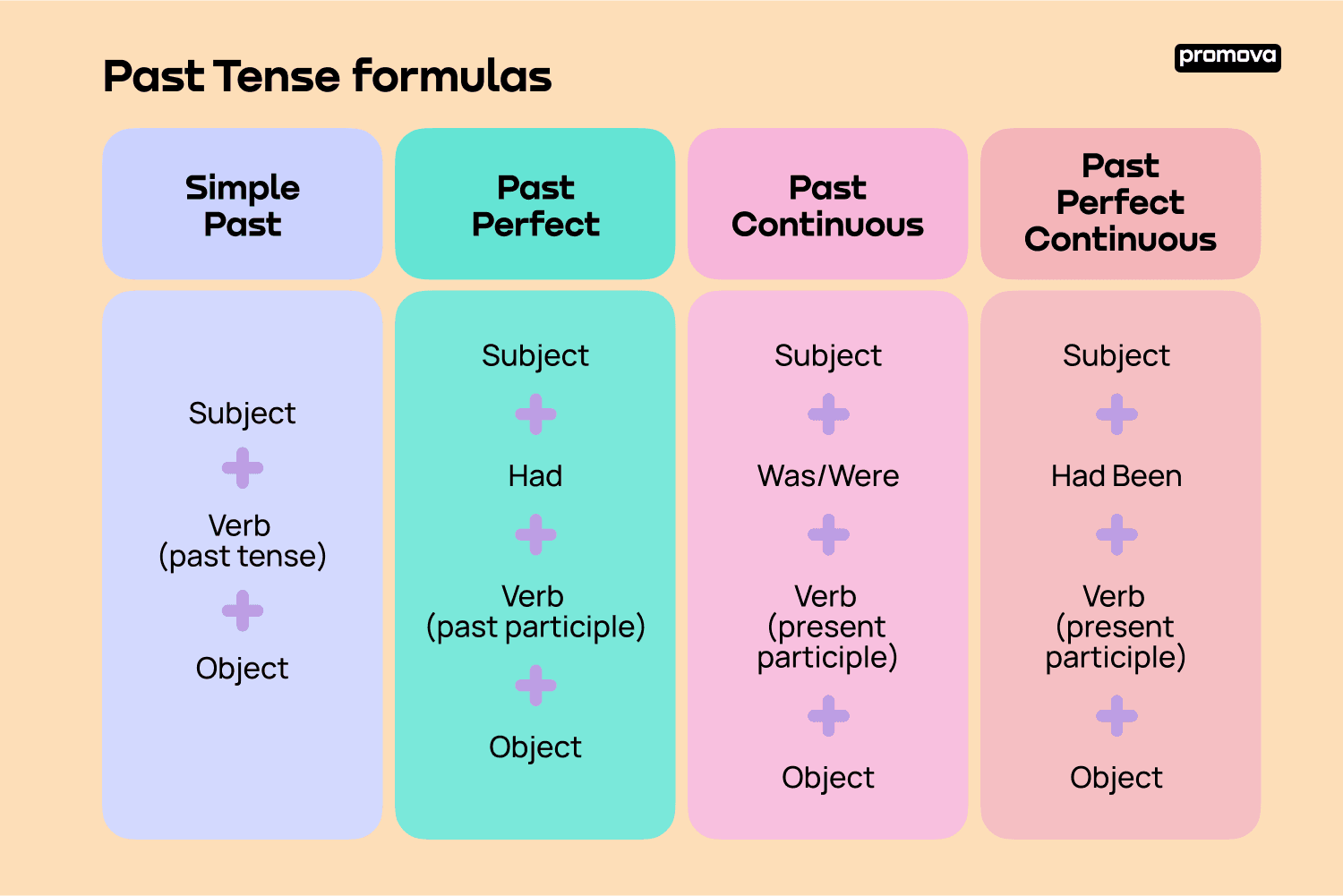
past tense of is
The Importance of Knowing the Past Tense of “Is”
Understanding the past tense of “is” is crucial for clear communication. By using the correct tense, you can accurately convey when something occurred or describe a situation that has changed over time.
For example, you might say, “Yesterday, he was happy,” to indicate that he was happy in the past but may not be anymore. Or, “The store was closed last week,” to show that it was not open at a specific point in time.
By mastering the past tense of “is,” you can enhance your writing and speaking skills, making your communication more precise and engaging for your audience.
So, the next time you find yourself unsure about how to express something that occurred in the past, remember that the past tense of “is” is “was.” It’s a small but essential detail that can make a big difference in your language proficiency.
Now that you know the past tense of “is,” you can confidently use it in your conversations and writing to accurately describe events and states of being from the past. Keep practicing, and soon it will become second nature to you!
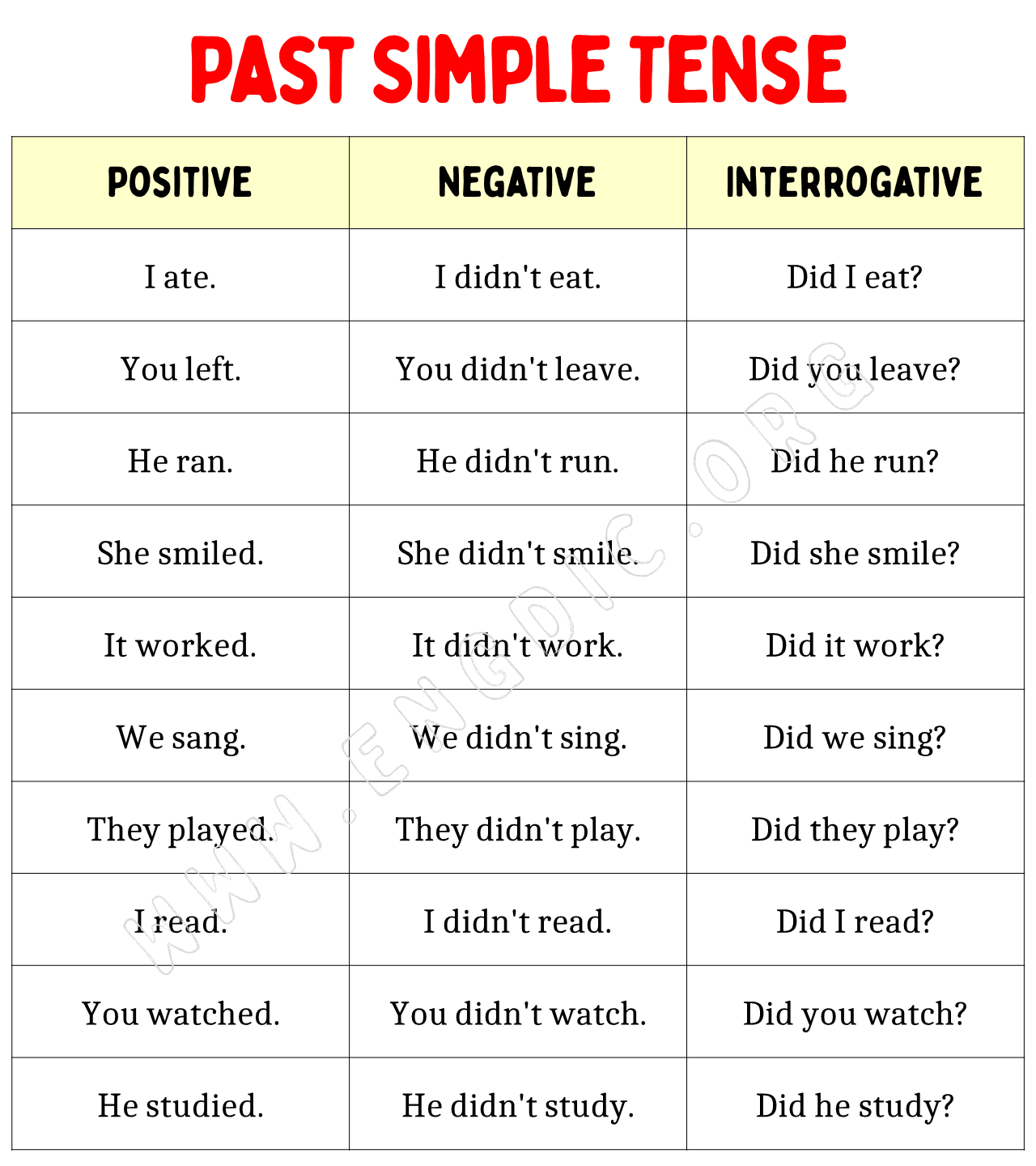
100 Sentences Of Past Simple Tense EngDic
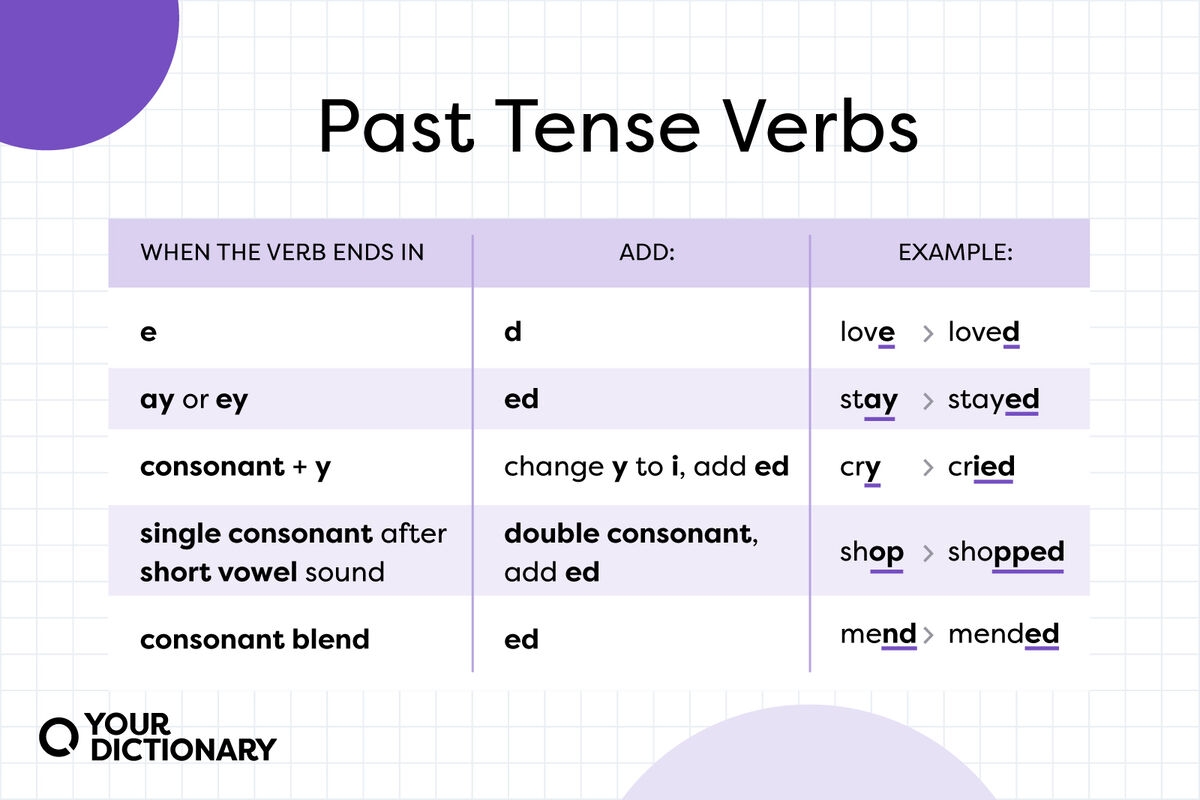
What Are Past Tense Verbs Meaning And Usage YourDictionary
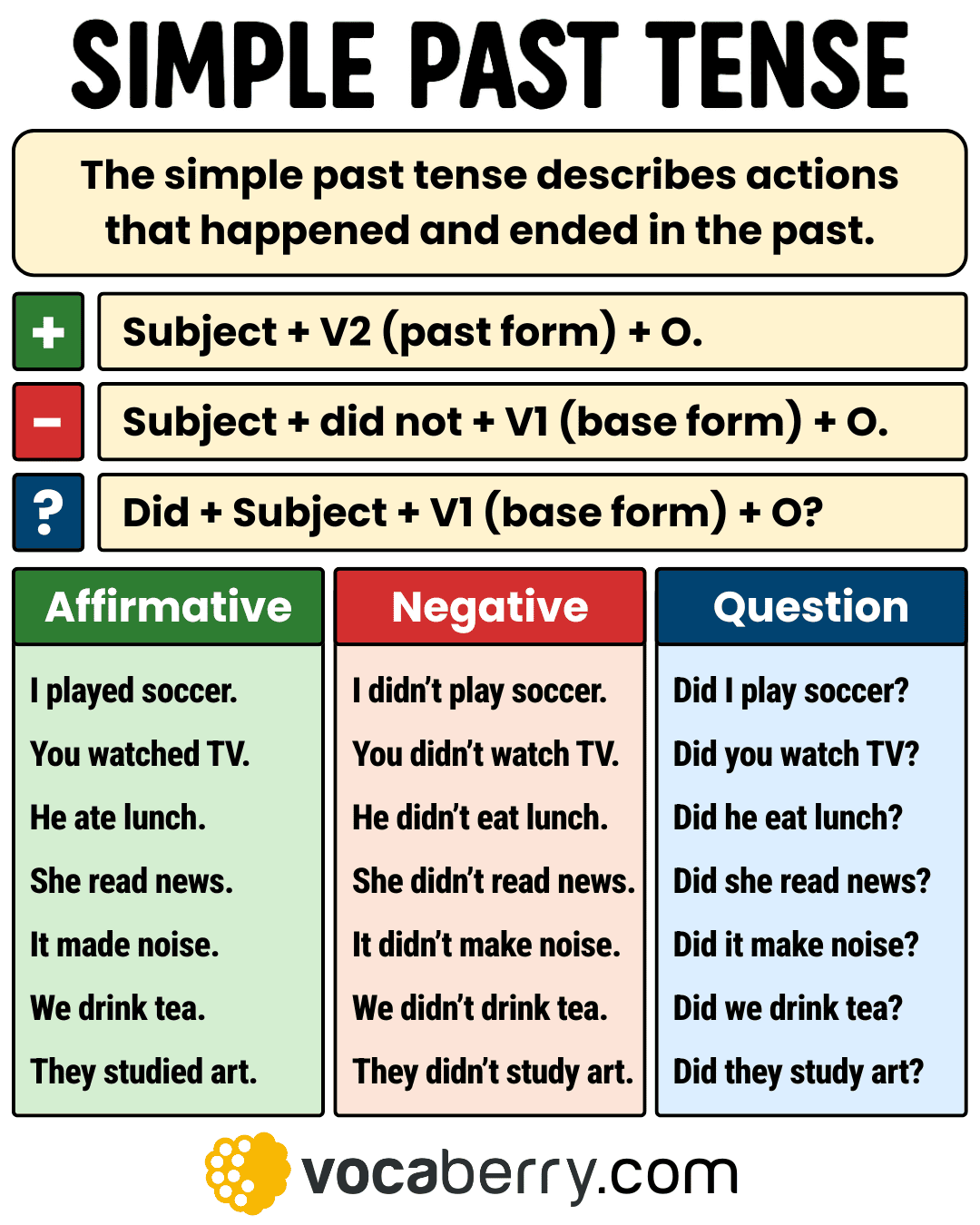
Simple Past Tense Definition Structure Usage Examples
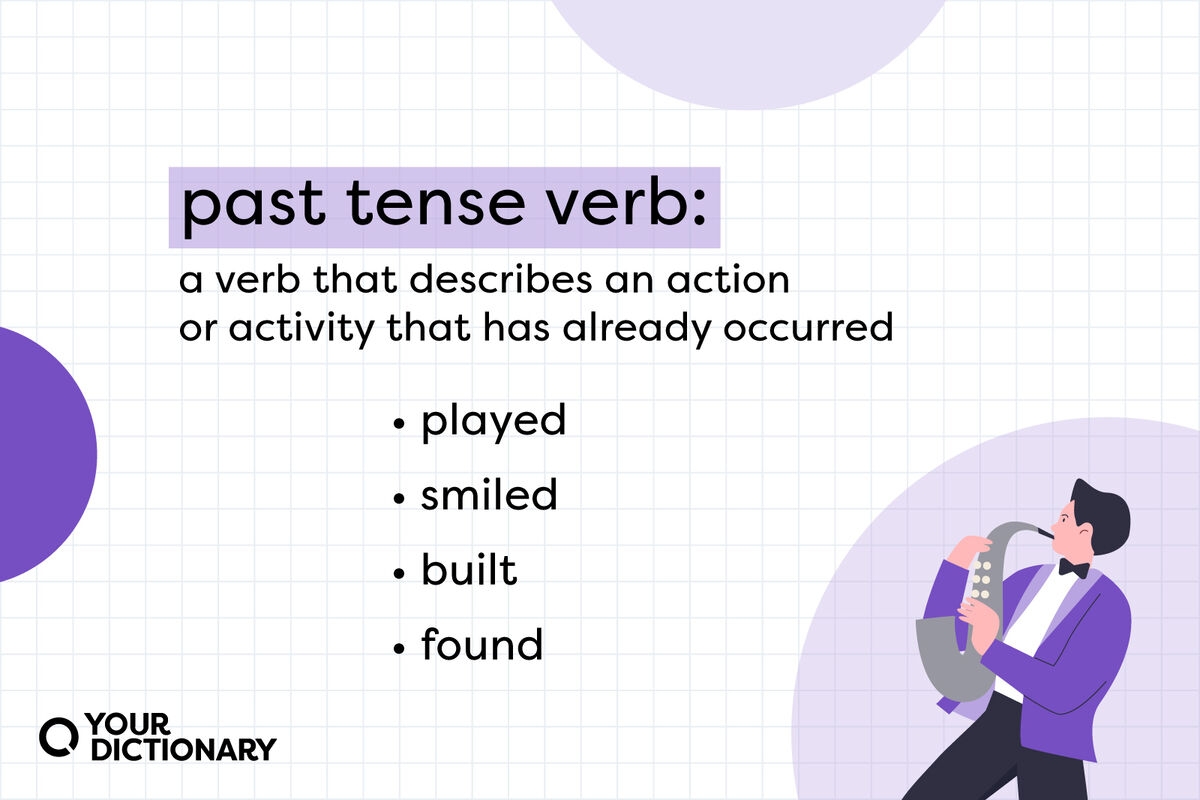
What Are Past Tense Verbs Meaning And Usage YourDictionary
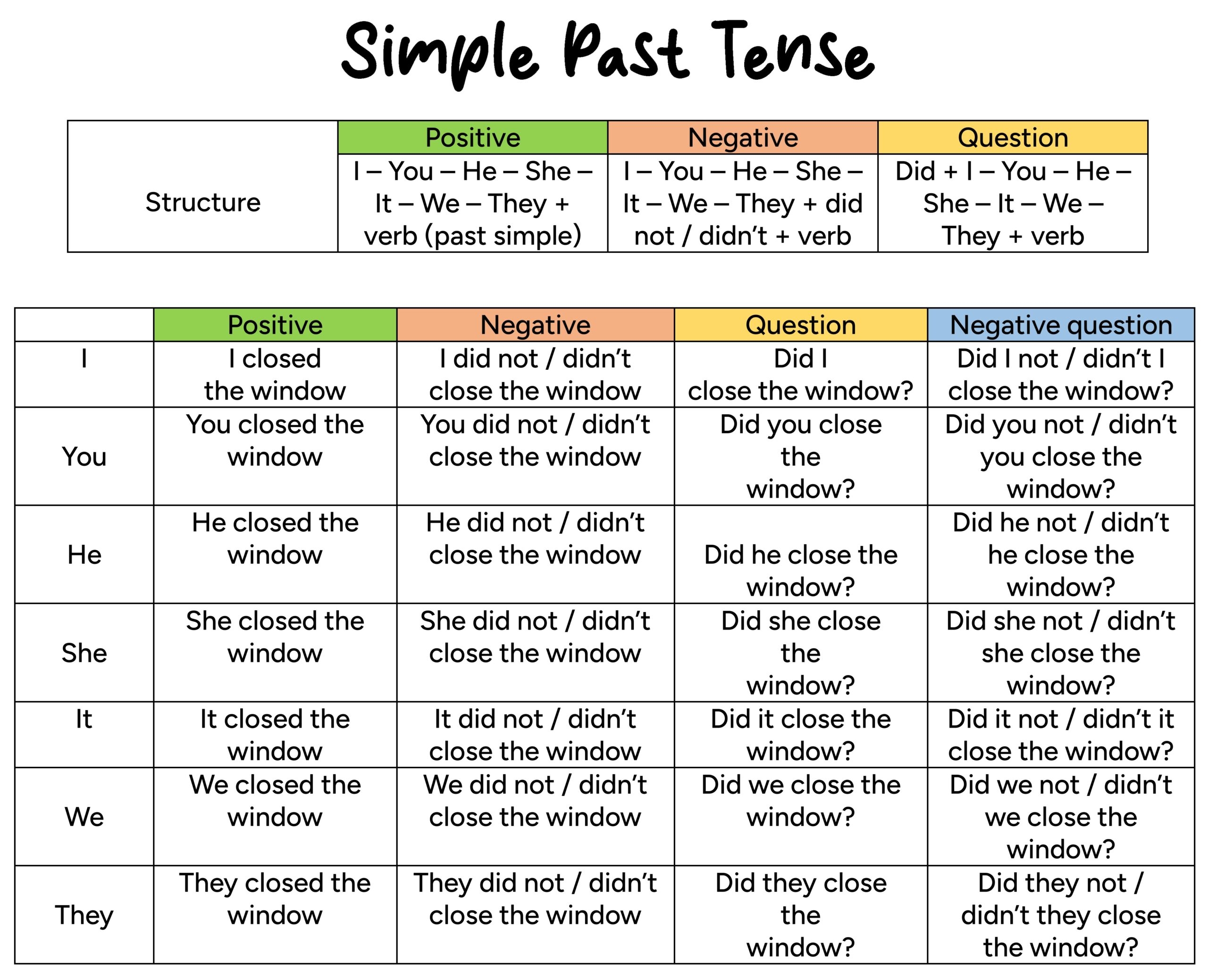
Simple Past Tense English For Yourself