
Have you ever been confused about how to write dates in Spanish? It’s a common question for language learners, but it’s actually quite simple once you understand the basic rules. In this article, we’ll break down the dos and don’ts of writing dates in Spanish.
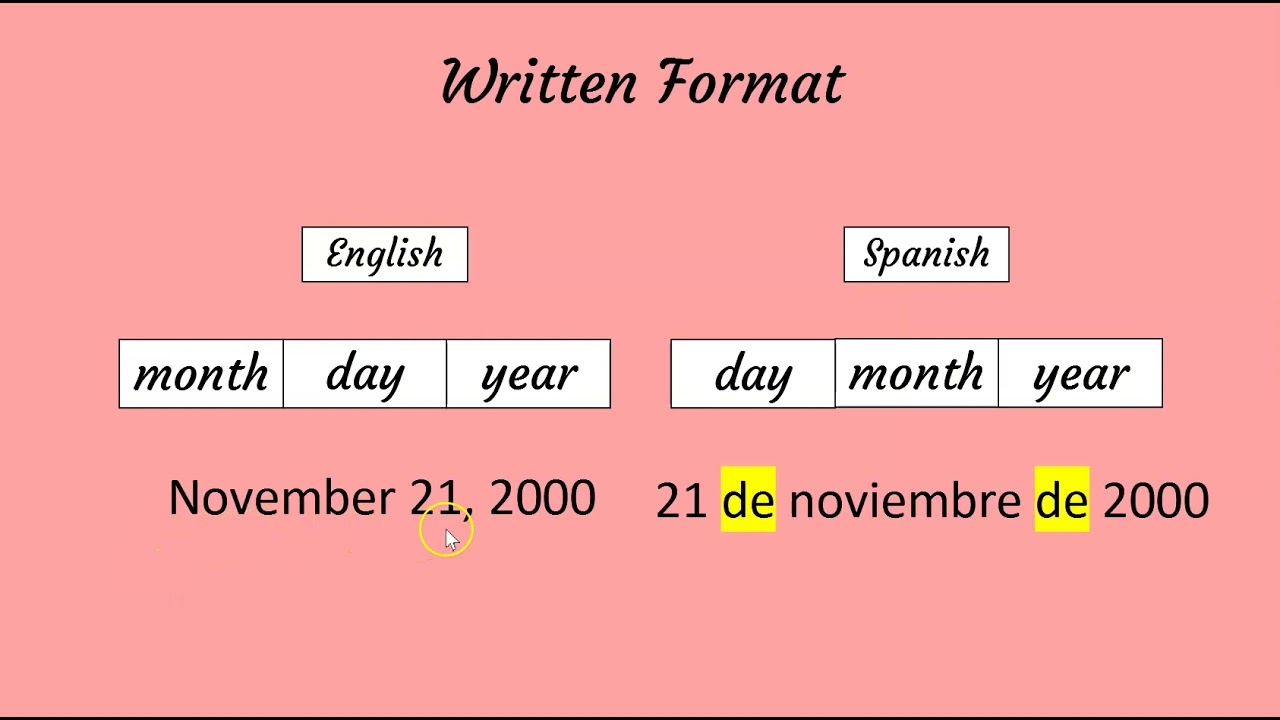
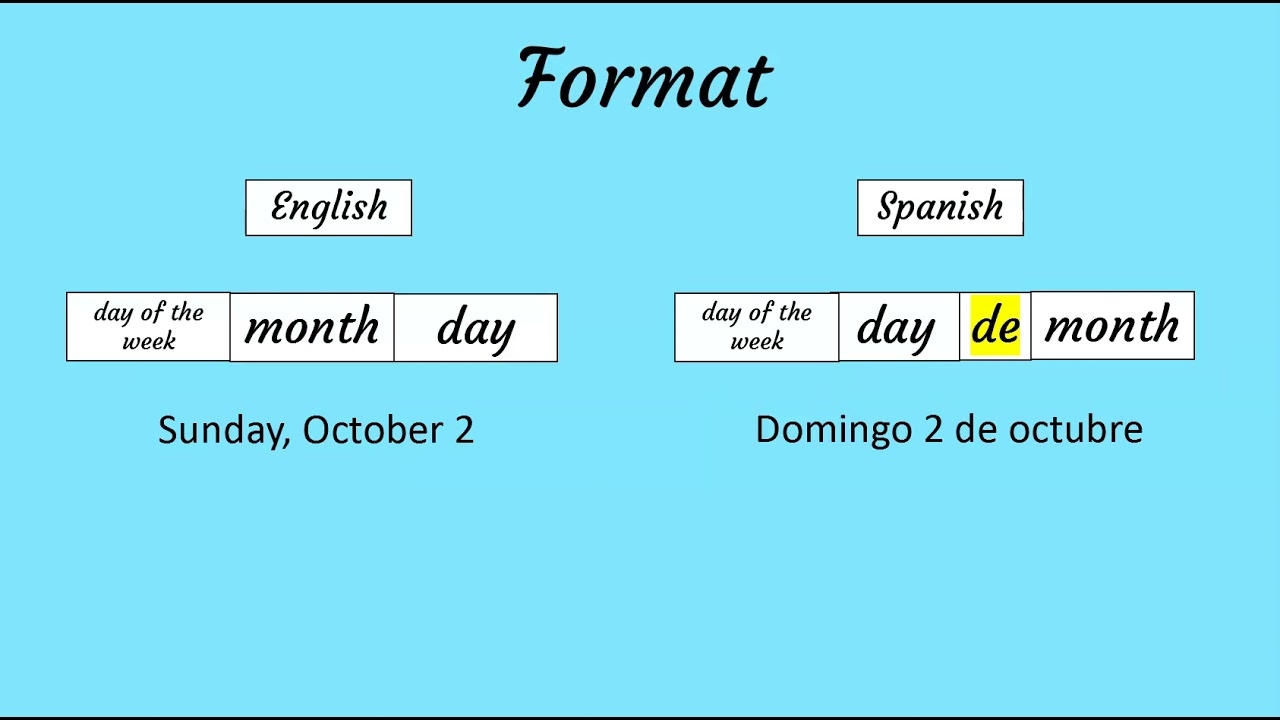
When writing dates in Spanish, it’s important to remember that the day comes before the month. For example, instead of writing “January 1st,” you would write “1 de enero.” This is a key difference between Spanish and English date formats.
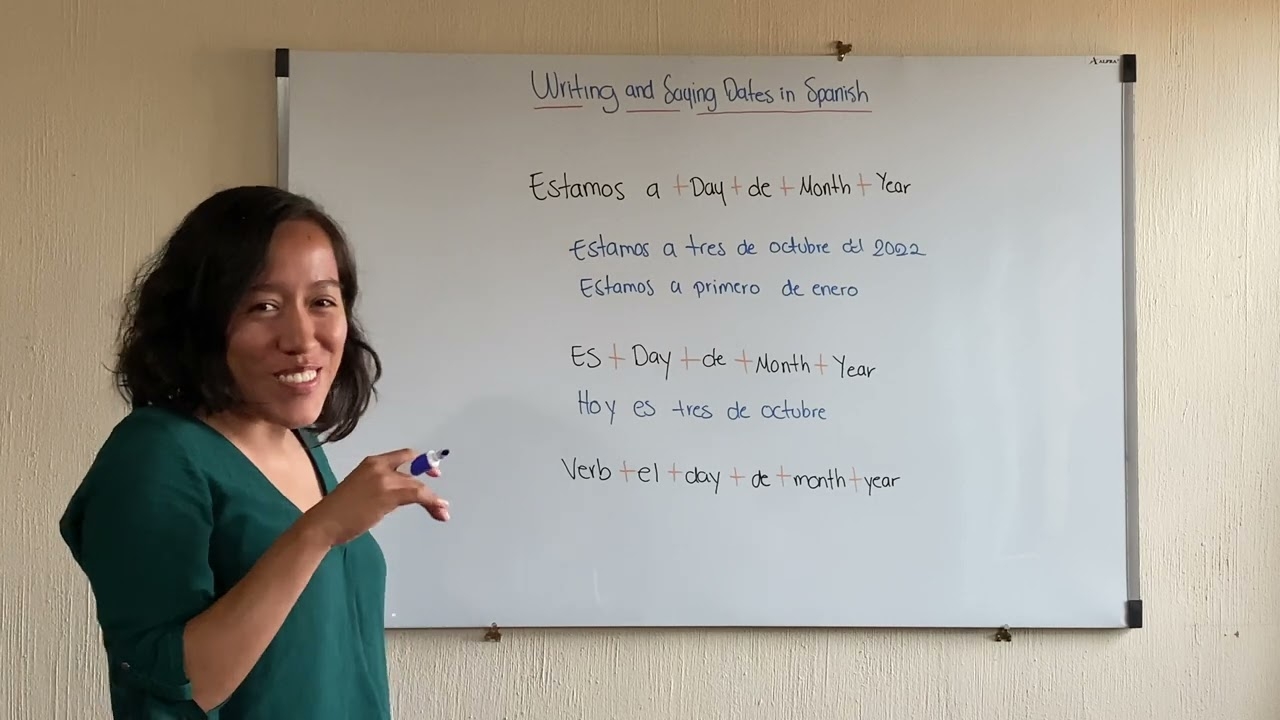
writing dates in spanish
Writing Dates in Spanish: Dos and Don’ts
Another important rule to keep in mind is that Spanish months are not capitalized. So, instead of writing “March 15th,” you would write “15 de marzo.” This may seem like a small detail, but it’s an important one to remember for proper Spanish writing.
When writing complete dates in Spanish, you can include the year after the month and day. For example, “15 de marzo de 2022” would be equivalent to “March 15th, 2022” in English. This format is commonly used in formal writing and documents.
It’s also worth noting that in Spanish, dates are often written with cardinal numbers (1, 2, 3) instead of ordinal numbers (1st, 2nd, 3rd). So, instead of writing “1st of January,” you would simply write “1 de enero.” This is a subtle but important distinction in Spanish date writing.
In conclusion, writing dates in Spanish follows a specific format that differs from English. By remembering these dos and don’ts, you can confidently write dates in Spanish with ease. Practice makes perfect, so keep practicing and soon you’ll be a pro at writing dates in Spanish!
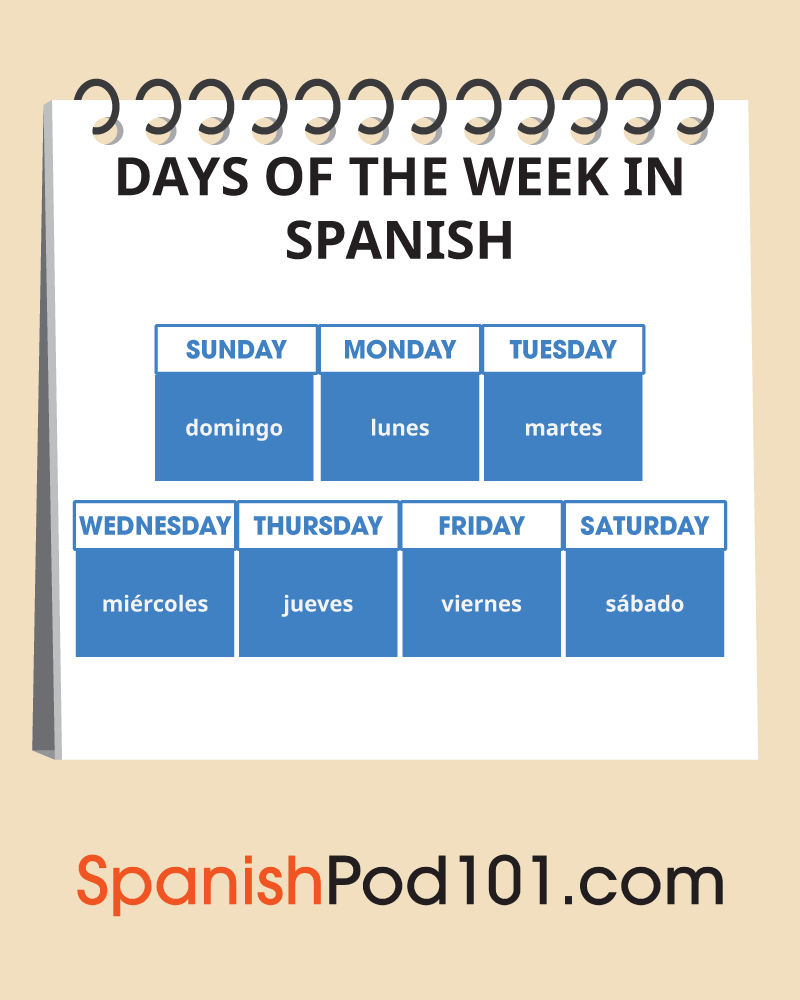
The Spanish Calendar Talking About Dates In Spanish
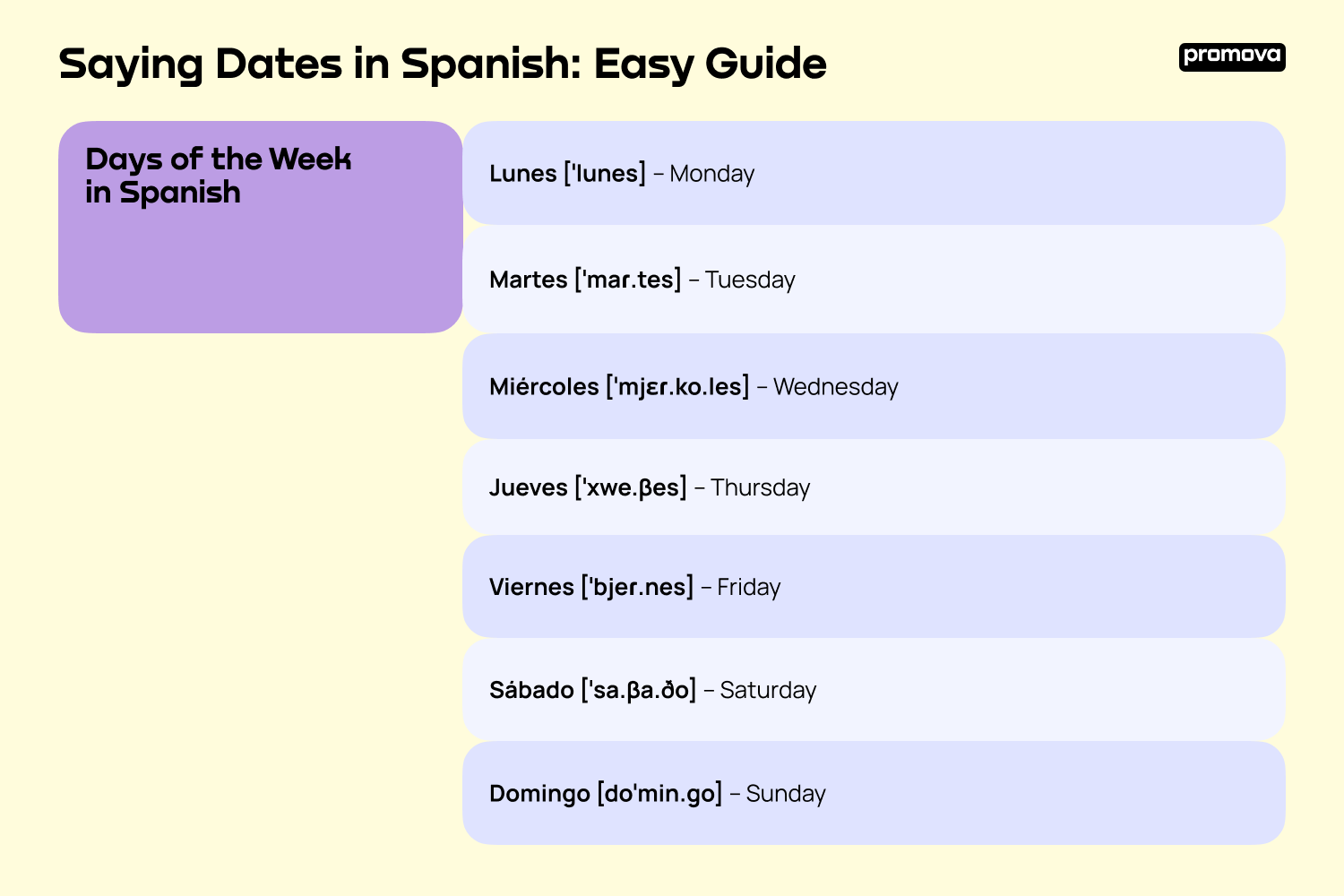
Essential Guide And Tips For Mastering Spanish Dates Promova Blog
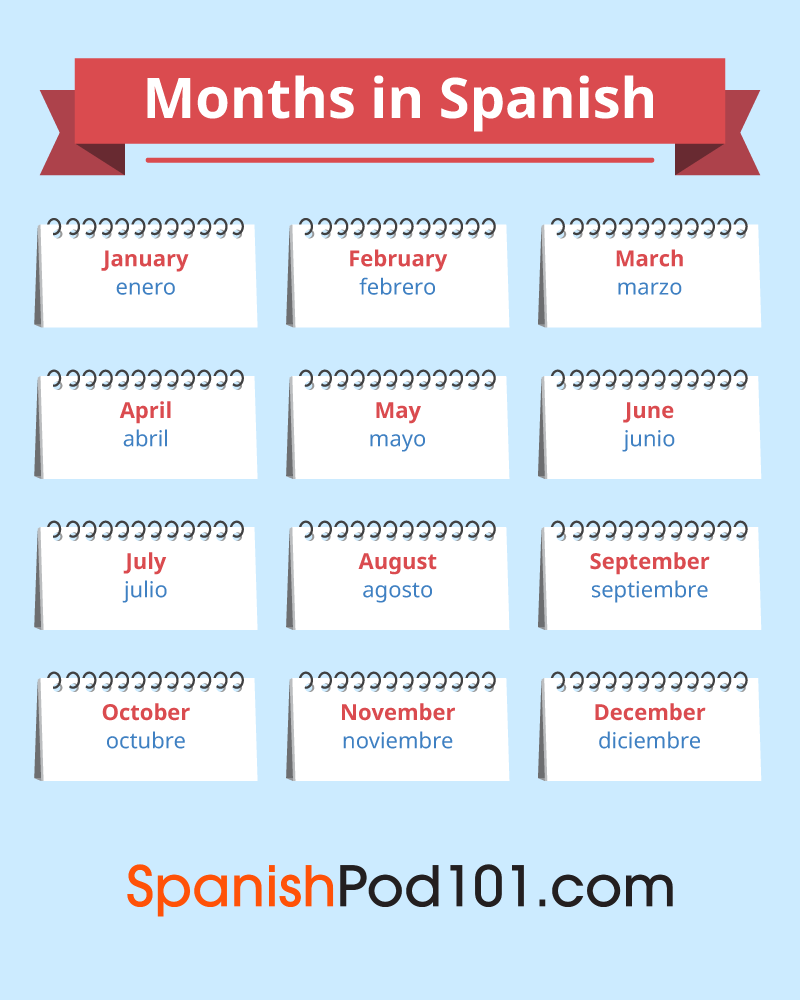
The Spanish Calendar Talking About Dates In Spanish
How To Say The Date In Spanish including The Year YouTube
How To Write And Say The Date In Spanish YouTube