
Are you looking to add some greenery to your home or garden but not sure where to start? Understanding the difference between flowering and non-flowering plants can help you make the right choice for your space.
Flowering plants, as the name suggests, produce beautiful blooms that add color and vibrancy to any setting. They are perfect for brightening up your home or garden with their eye-catching flowers that come in a variety of shapes, sizes, and colors.
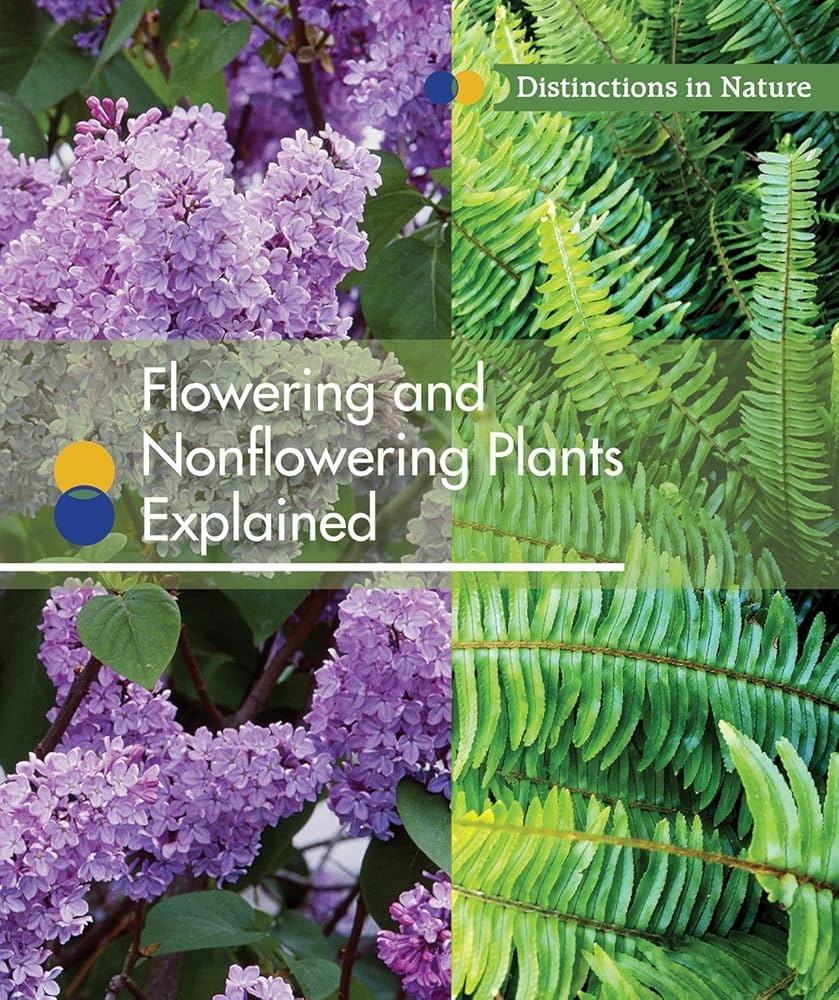
flowering and non flowering plants
Exploring the Beauty of Flowering and Non-Flowering Plants
Non-flowering plants, on the other hand, are known for their lush green foliage that can provide a calming and soothing effect. These plants are often chosen for their interesting leaves and unique textures that can make a statement in any space.
When choosing between flowering and non-flowering plants, consider the amount of care and maintenance they require. Flowering plants may need more attention to ensure they continue to bloom, while non-flowering plants are usually low-maintenance and easier to care for.
Another factor to consider is the seasonality of flowering plants. Some plants only bloom during certain times of the year, so if you want year-round color, you may want to mix in some non-flowering plants to keep your space looking fresh and green.
Whether you prefer the bold and bright blooms of flowering plants or the lush green foliage of non-flowering plants, incorporating both types into your home or garden can create a balanced and visually appealing environment that you can enjoy year-round.
So, next time you’re looking to add some greenery to your space, consider the beauty of both flowering and non-flowering plants to create a harmonious and inviting atmosphere that reflects your personal style and taste.
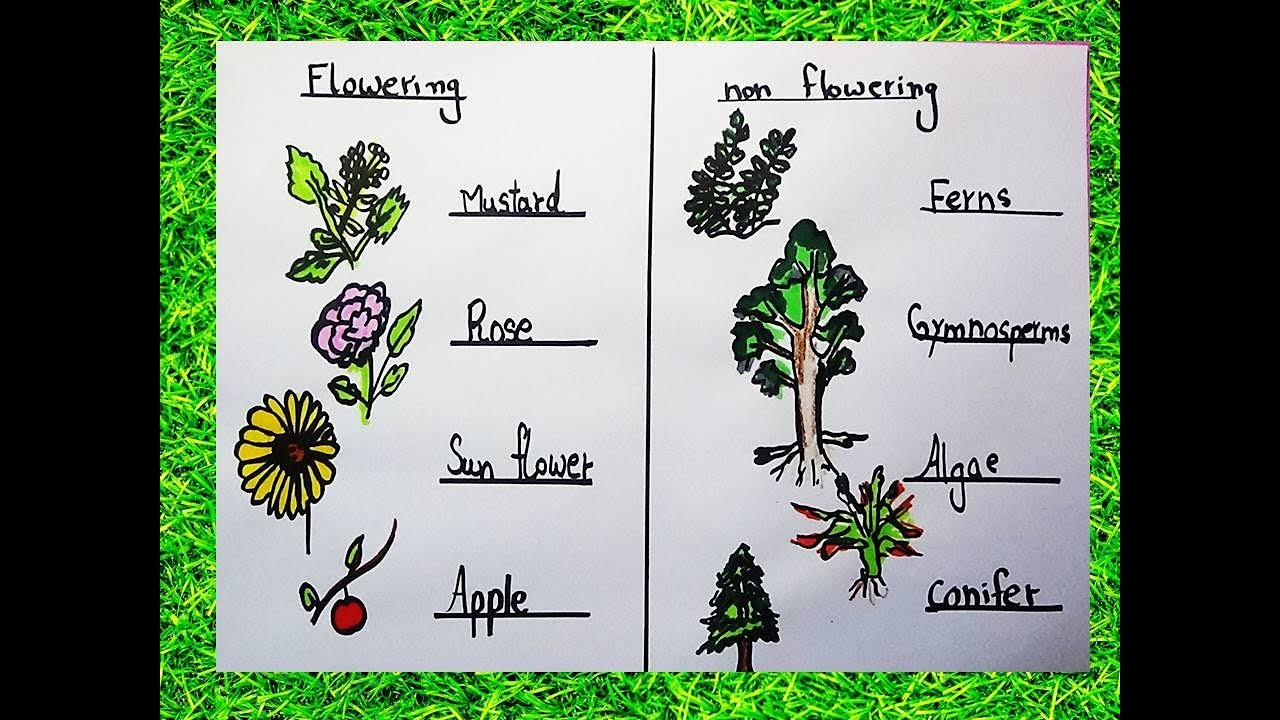
How To Draw Flowering And Non Flowering Diagram science YouTube
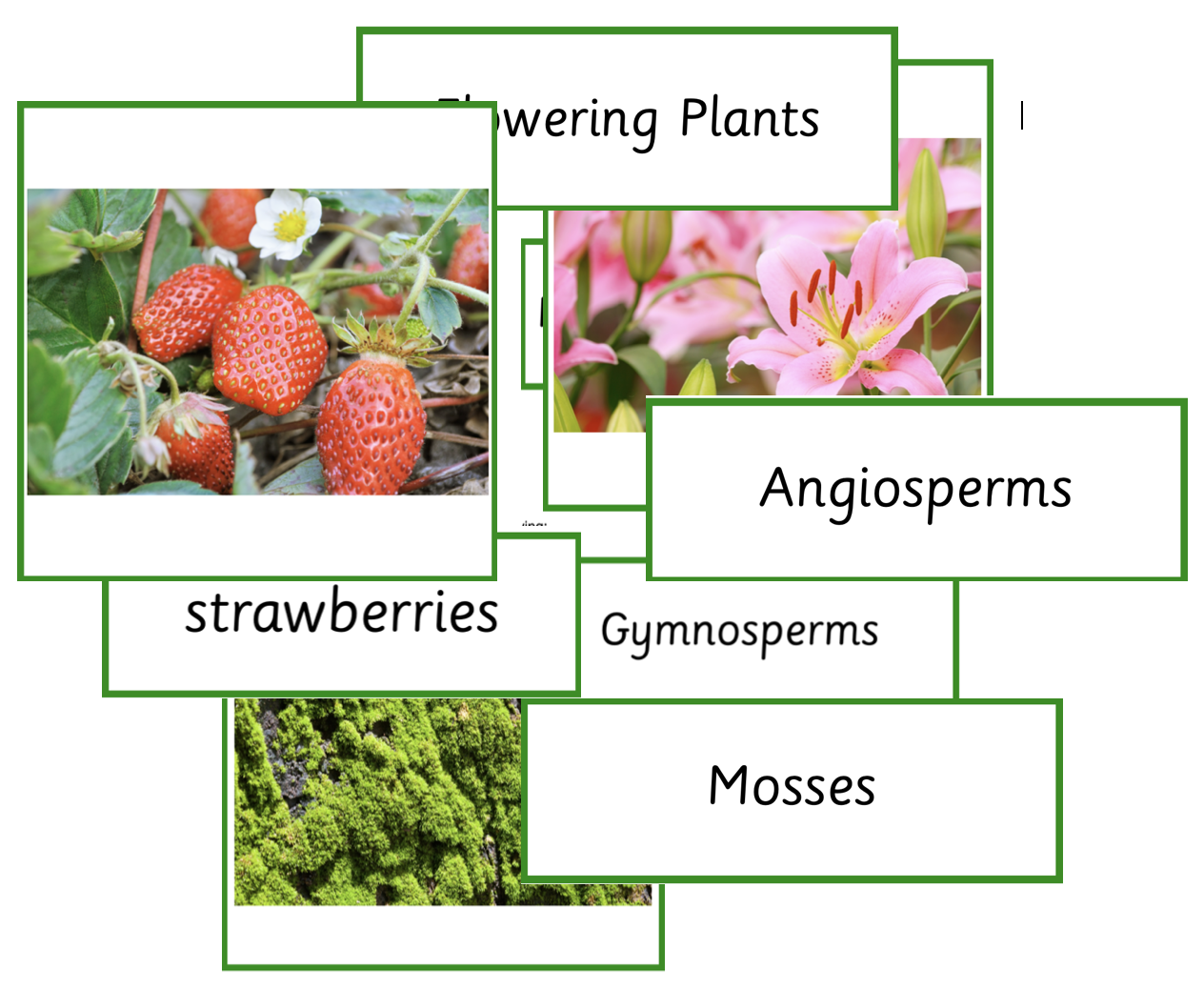
Flowering And Non Flowering Plants
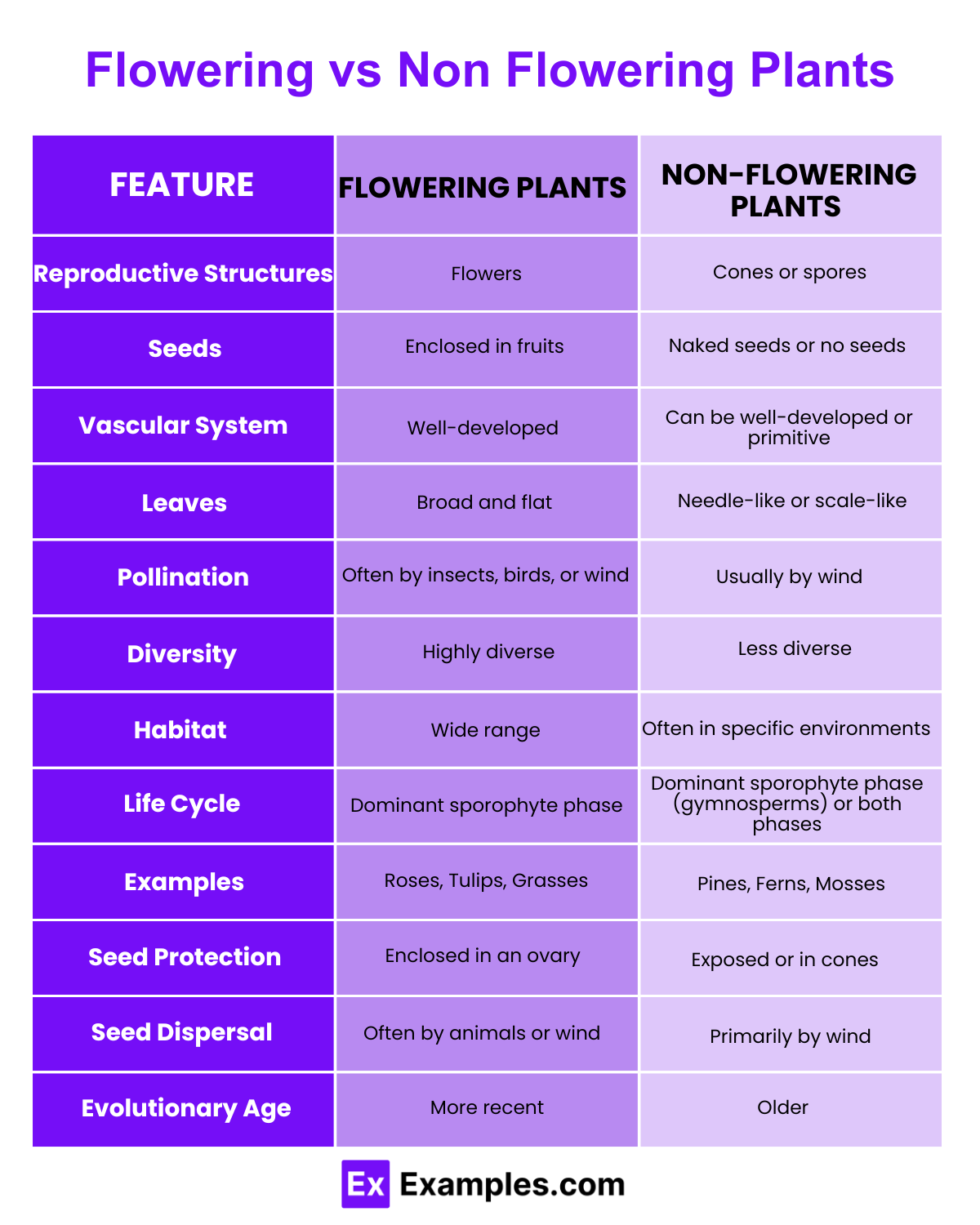
Flowering Vs Non Flowering Plants Differences Explained With Examples
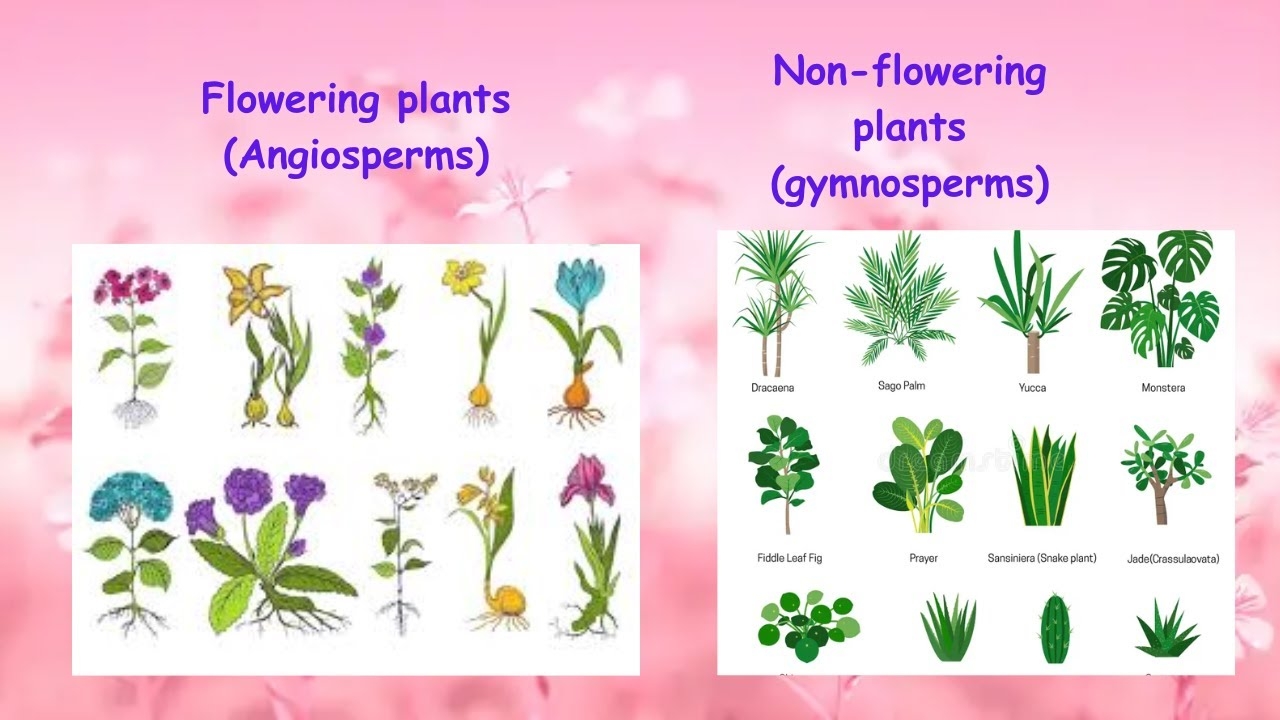
Flowering And Non Flowering Plants YouTube
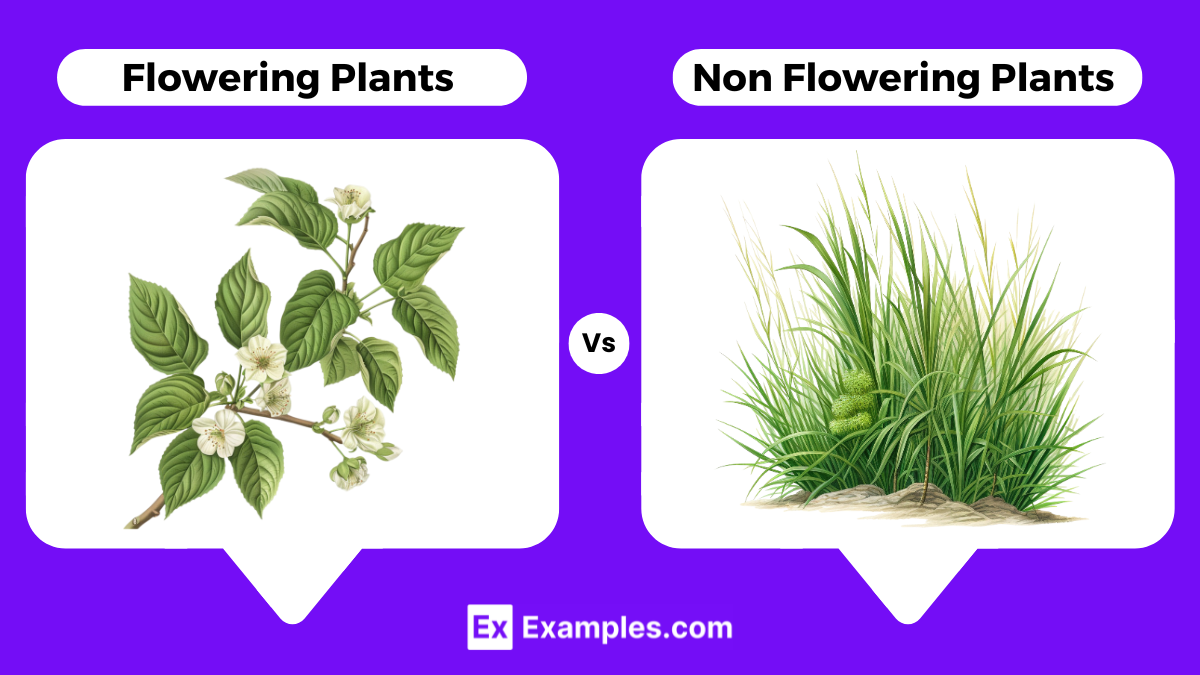
Flowering Vs Non Flowering Plants Differences Explained With Examples