
Are you curious about the present progressive tense in English? It’s a simple yet important aspect of the language that adds depth to your conversations. By understanding how to use it correctly, you can enhance your communication skills and sound more natural when speaking or writing.
So, what exactly is the present progressive tense? In a nutshell, it’s used to describe actions that are happening right now. This tense is formed by combining the present tense of the verb “to be” (am, is, are) with the base form of the main verb and the -ing ending.
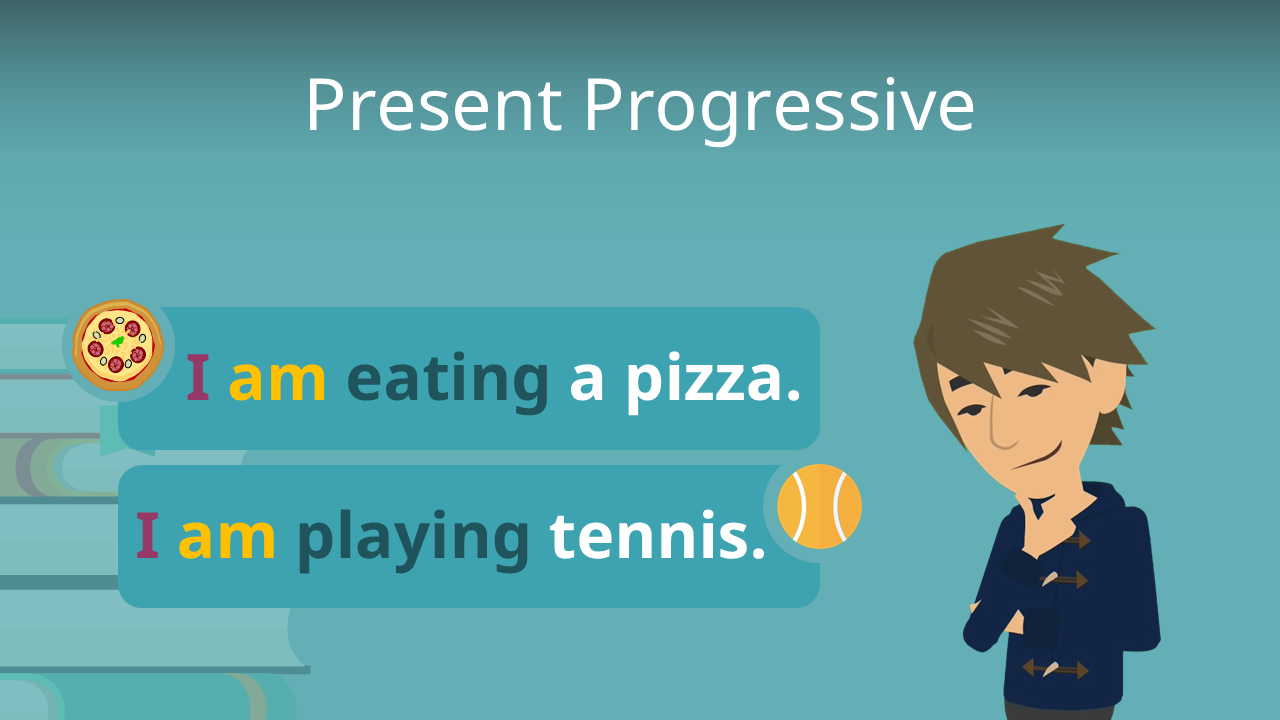
what is present progressive
What is Present Progressive?
For example, instead of saying “I eat,” you would say “I am eating” to indicate that the action is currently taking place. This tense is also used to talk about future plans or actions that are in progress but haven’t been completed yet.
Another way to think of the present progressive tense is as a snapshot of the present moment. It helps to convey a sense of immediacy and adds a dynamic quality to your language. By mastering this tense, you can bring your conversations to life and make them more engaging.
Practice using the present progressive tense in your everyday conversations or writing. Pay attention to how native speakers use it and try to incorporate it into your own speech. With some practice and patience, you’ll soon become a pro at using this versatile tense.
So, next time you’re chatting with a friend or writing an email, remember to sprinkle in some present progressive tense to add a touch of fluency and sophistication to your language. It’s a small but powerful tool that can make a big difference in how you express yourself in English.
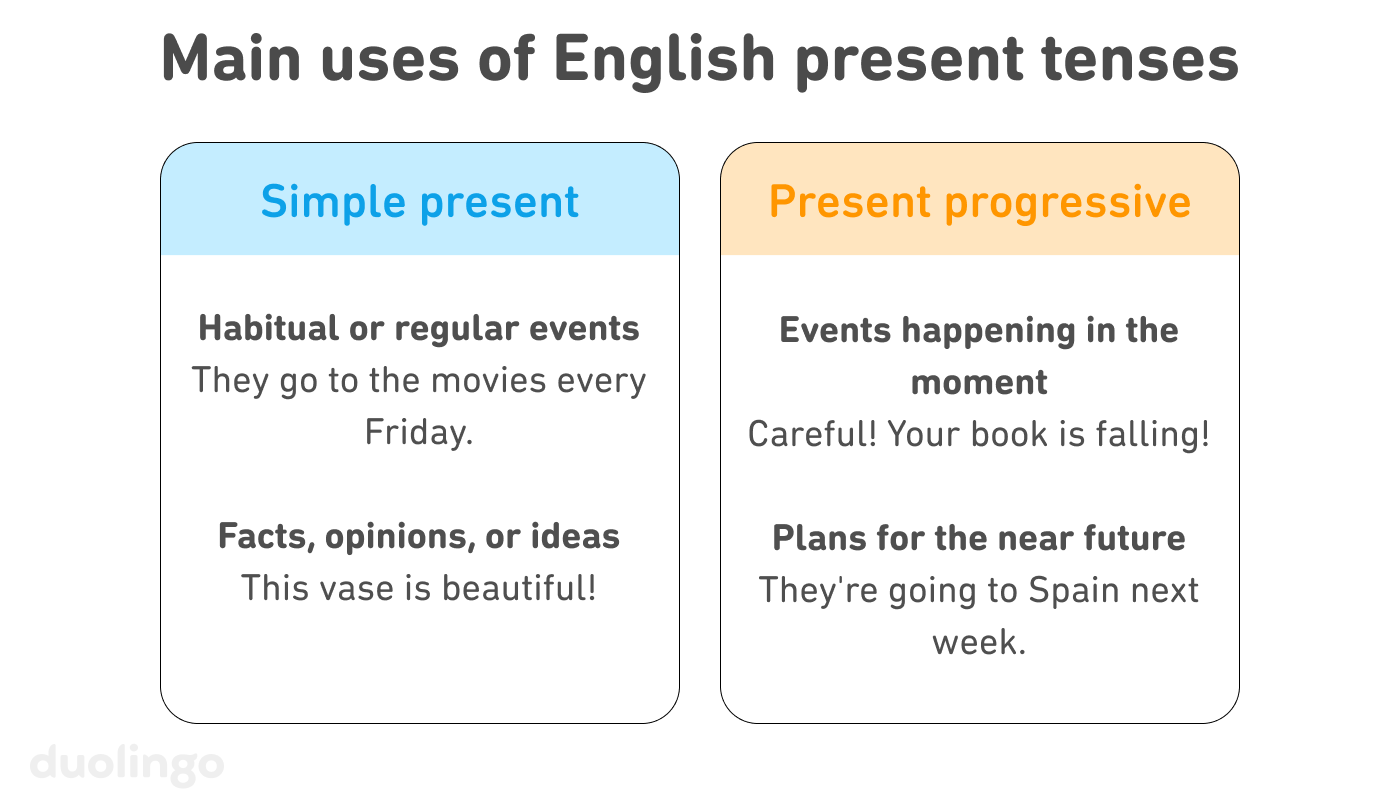
When To Use The English Present Progressive Vs Simple Present
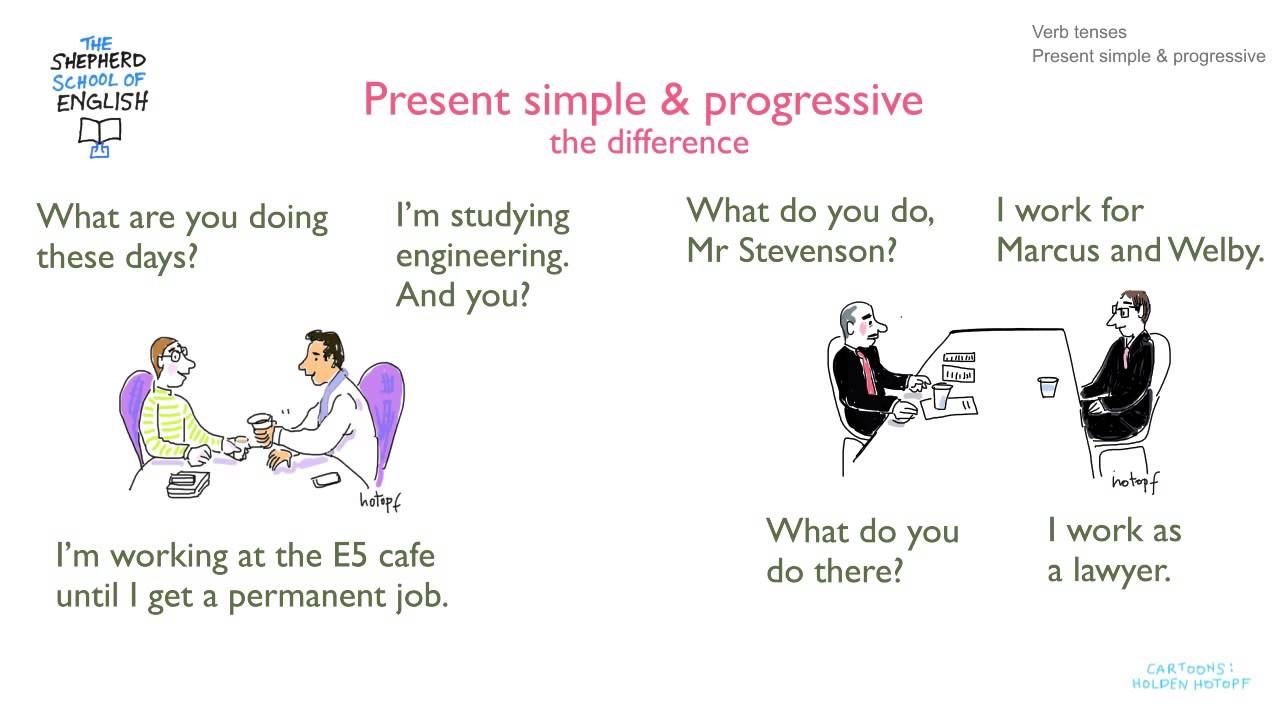
Learn English Present Simple And Present Progressive YouTube
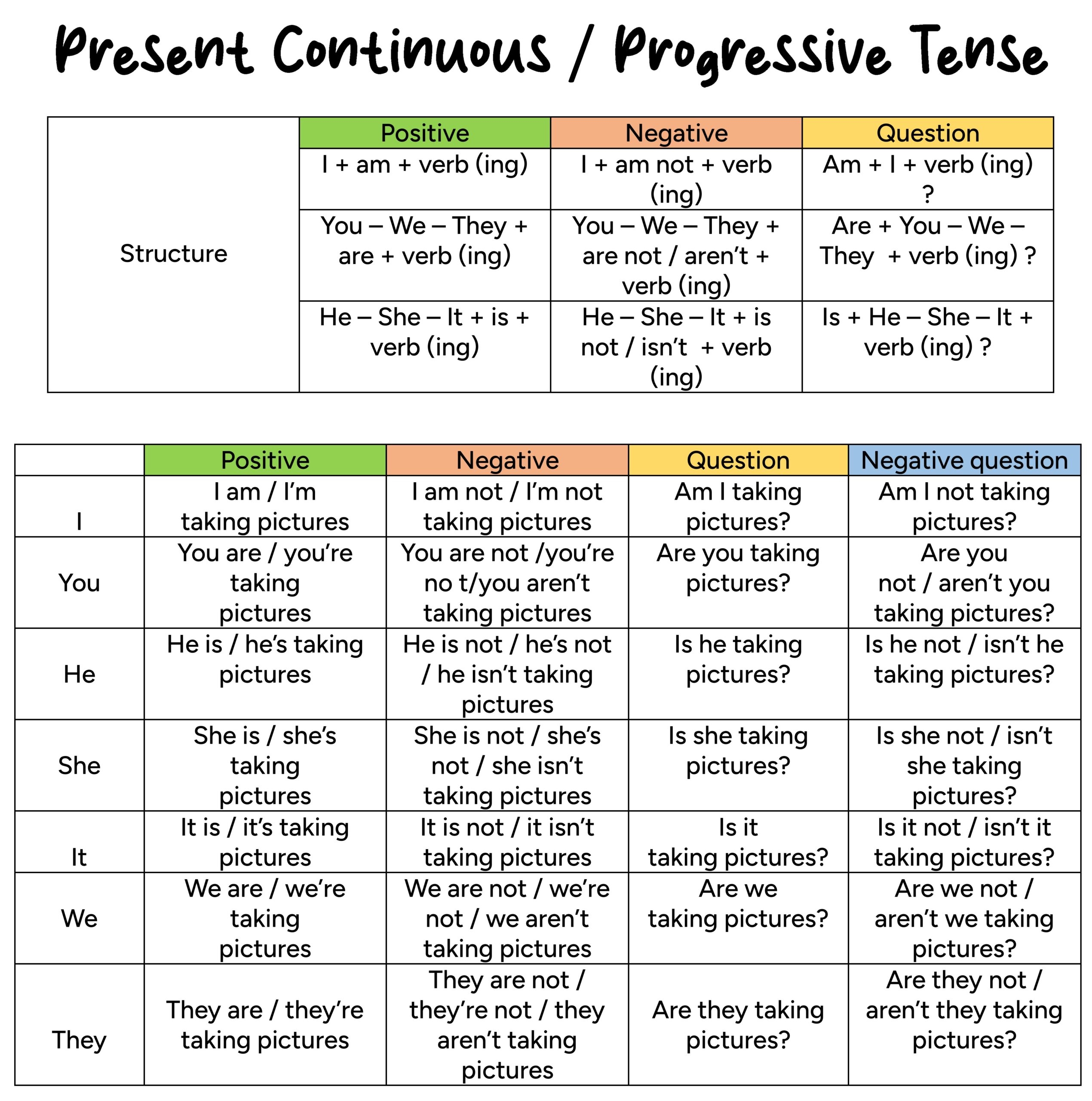
Present Continuous Or Progressive Tense English For Yourself
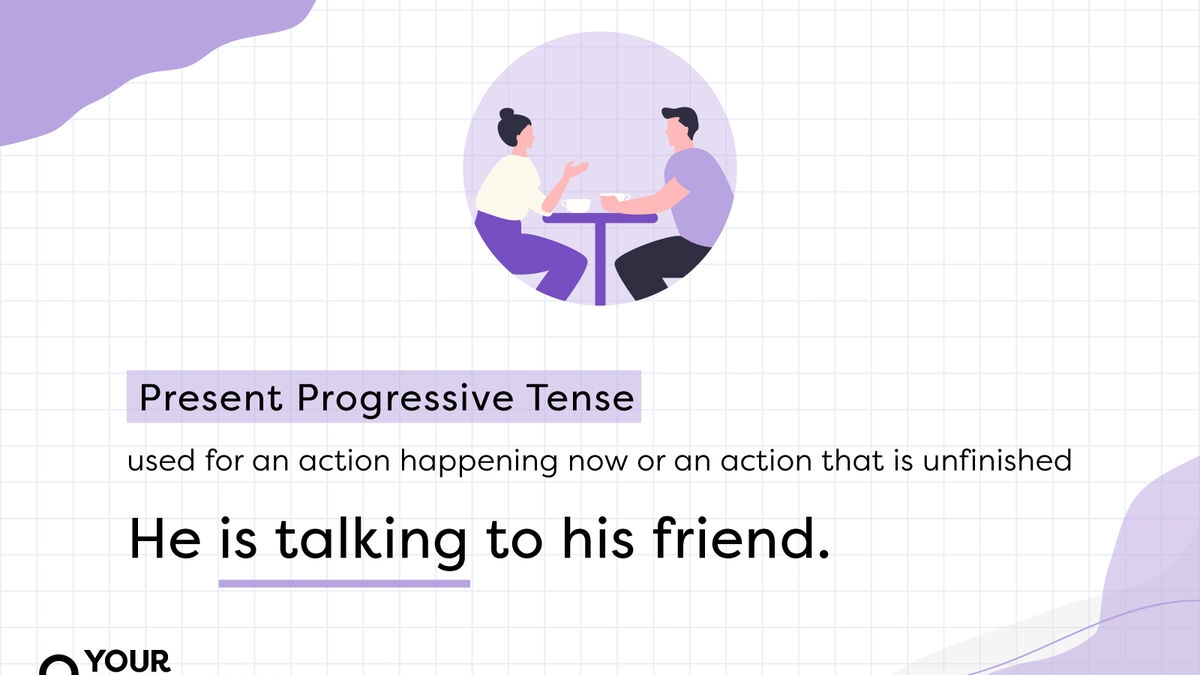
What Is Present Progressive AKA Present Continuous Tense Usage And Examples YourDictionary
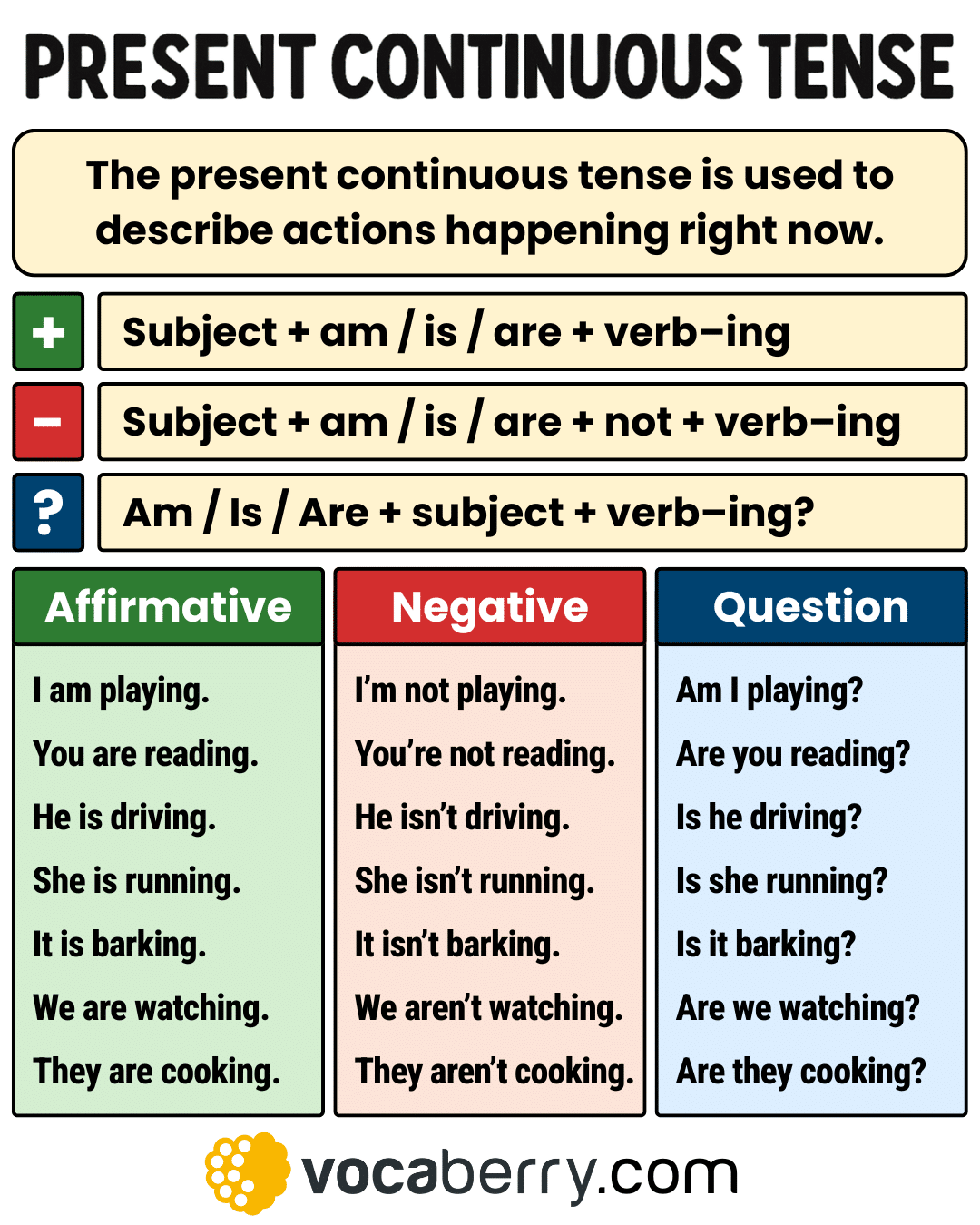
Present Continuous Tense English Grammar