
Are you struggling with understanding the difference between imperfect and preterite tenses in Spanish? Don’t worry, you’re not alone! Many language learners find these two past tenses confusing, but with practice, you can master them.
Both the imperfect and preterite tenses are used to talk about actions that happened in the past, but they have different nuances that can change the meaning of a sentence. By practicing regularly, you can become more comfortable using these tenses correctly.
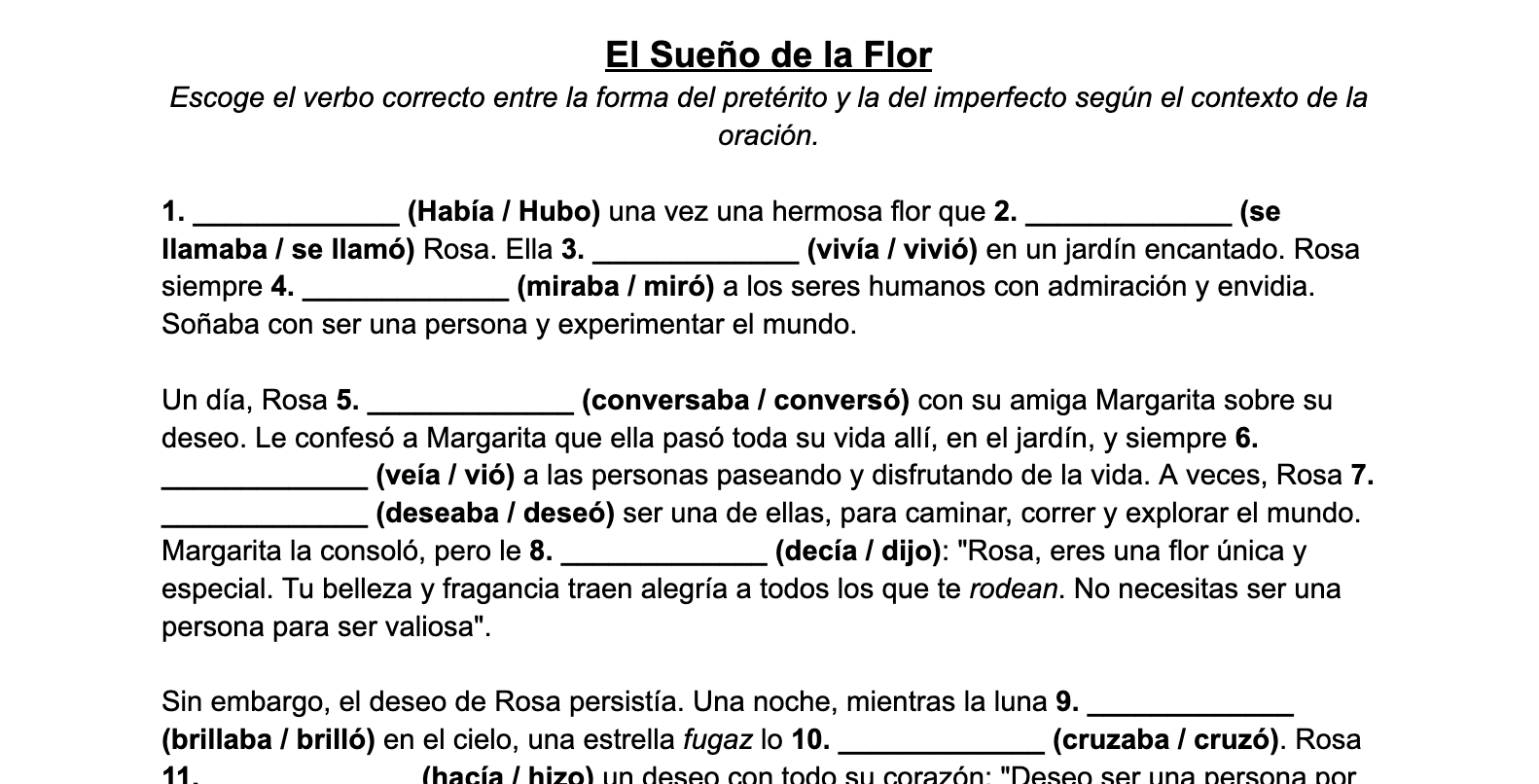
imperfect vs preterite practice
Imperfect vs Preterite Practice: Tips for Success
One way to improve your understanding of imperfect and preterite tenses is to read and listen to a lot of Spanish content. This will help you get a feel for how and when each tense is used in context.
Another helpful tip is to practice writing sentences using both tenses. By actively using imperfect and preterite in your own writing, you can reinforce the rules and patterns in your mind.
Additionally, consider working with a language partner or tutor who can provide feedback on your usage of imperfect and preterite tenses. Getting input from a native speaker can be invaluable in improving your skills.
Remember, learning a new language takes time and practice, so be patient with yourself as you work on mastering imperfect and preterite tenses. With dedication and consistency, you’ll soon feel more confident using these past tenses in your Spanish conversations.
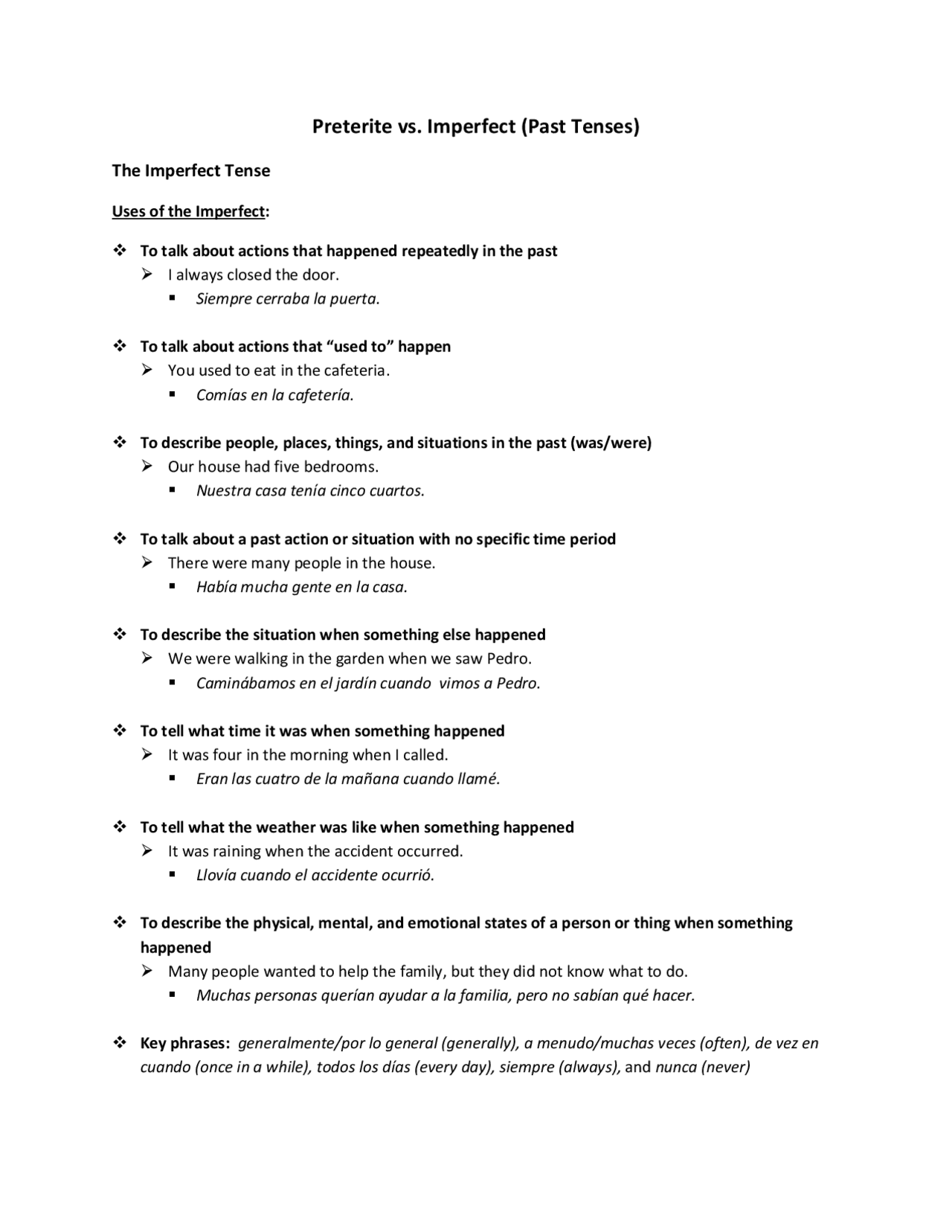
Preterite Vs Imperfect Past Tenses Exercises Grammar And Worksheets Library
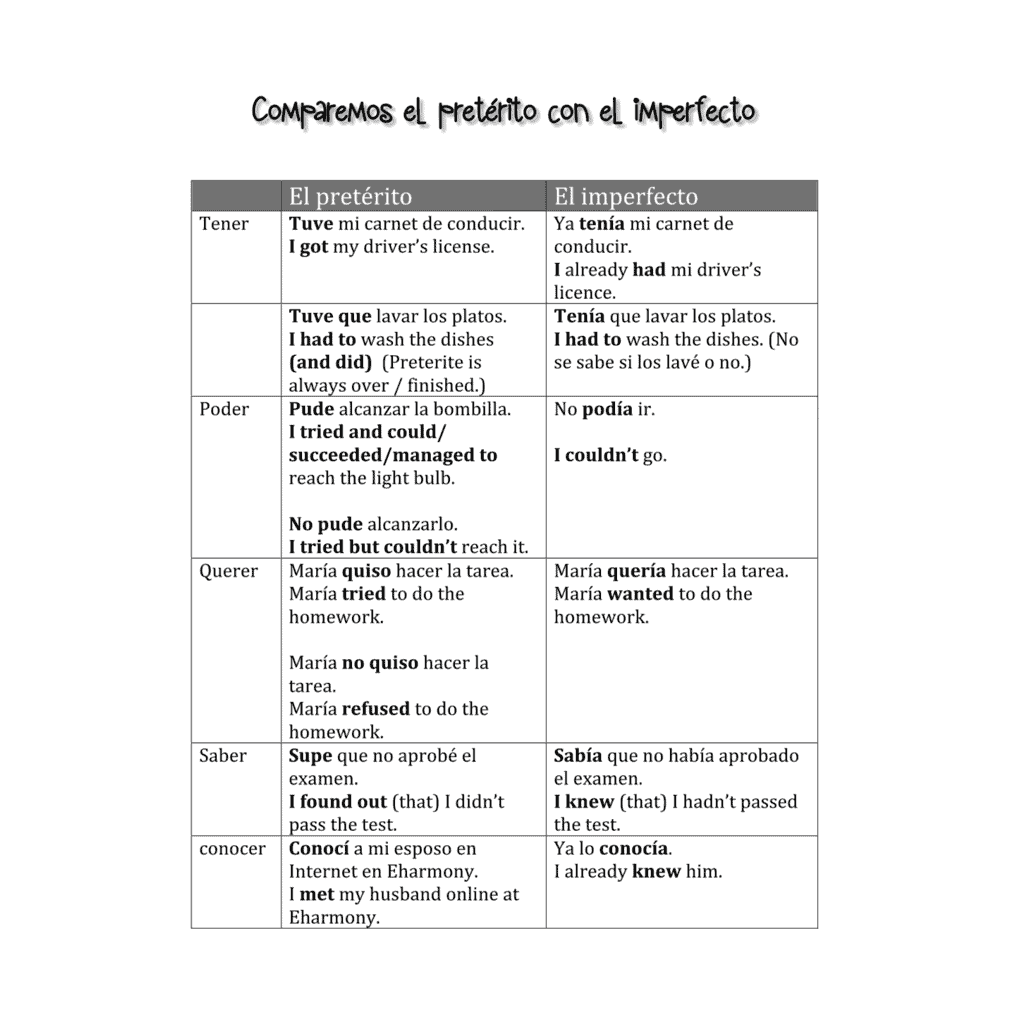
Spanish Preterite Imperfect Paired And Group Listening And Speaking Activities Best PowerPoints For Spanish French
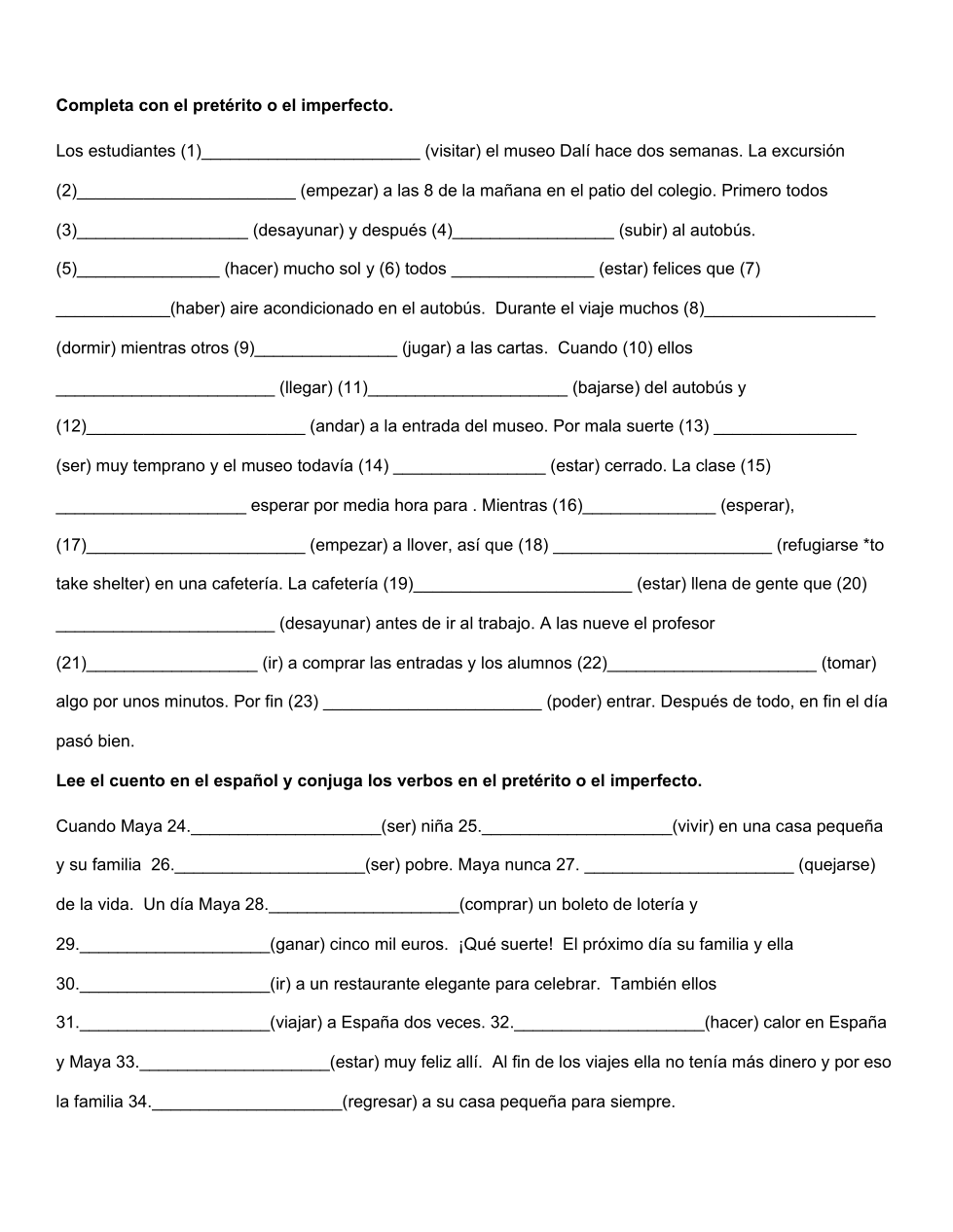
Preterite And Imperfect Assessment Jenny Johnston Library Formative
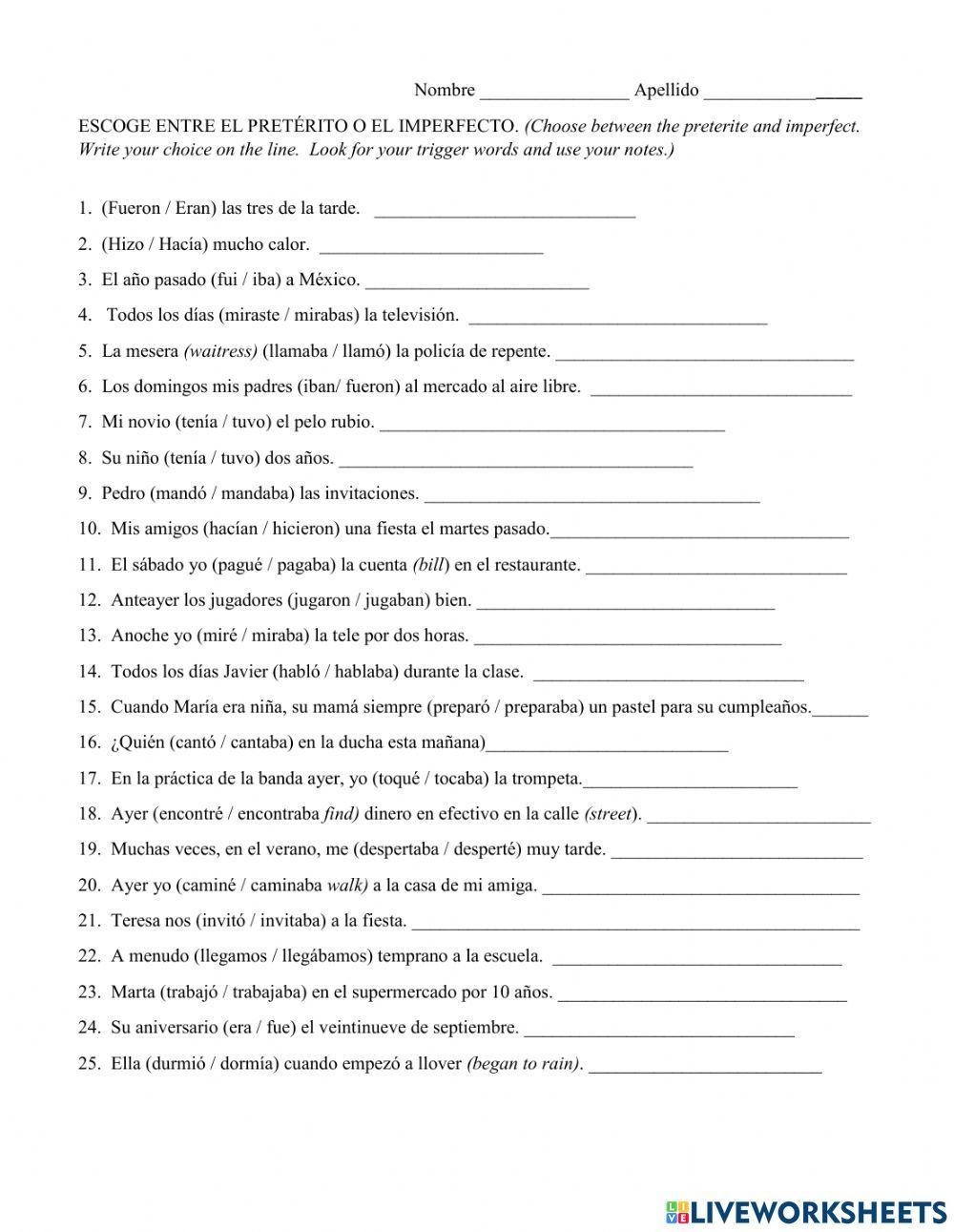
Preterit Vs Imperfect Worksheet Live Worksheets Worksheets Library
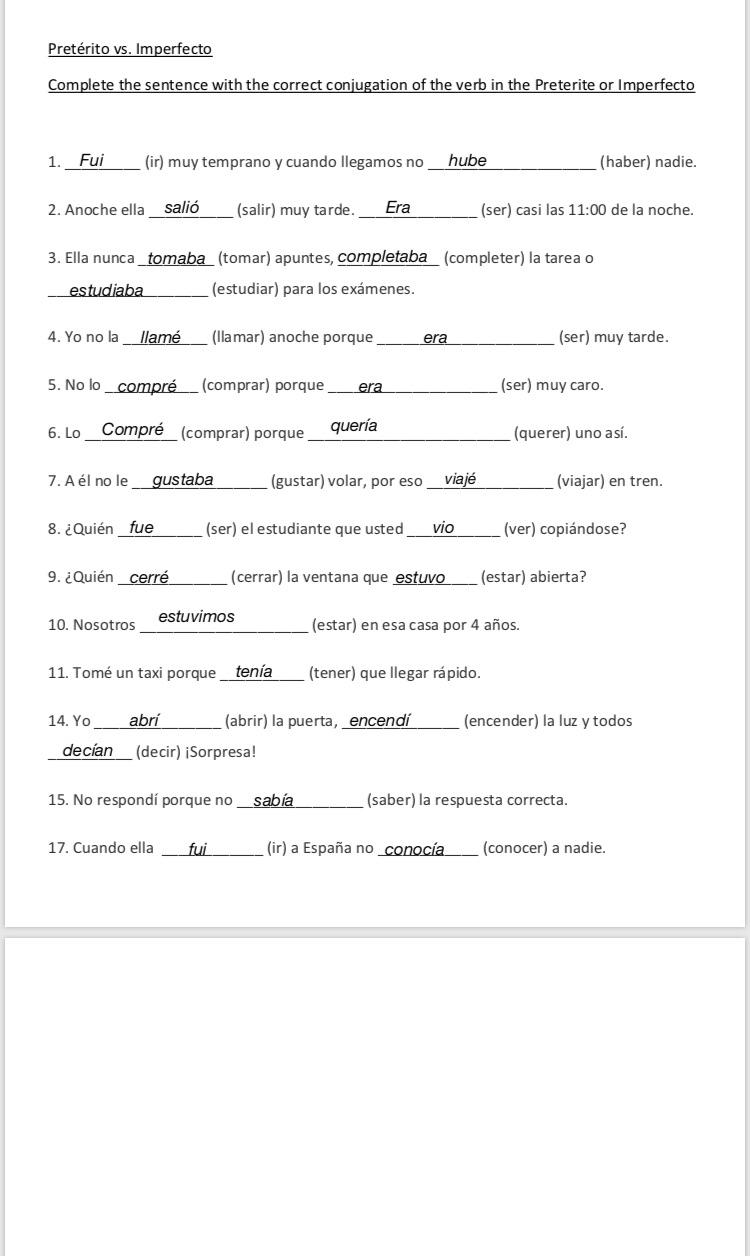
I Need Help With Preterite Vs Imperfect Are These Right R Worksheets Library