
Have you ever been confused about when to use past perfect versus present perfect in English grammar? It’s a common dilemma for many language learners, but fear not – we’re here to help clear things up for you!
Understanding the differences between past perfect and present perfect can be tricky, but with a little practice, you’ll be using them like a pro in no time. Let’s dive into the nuances of these two tenses and how to use them correctly.
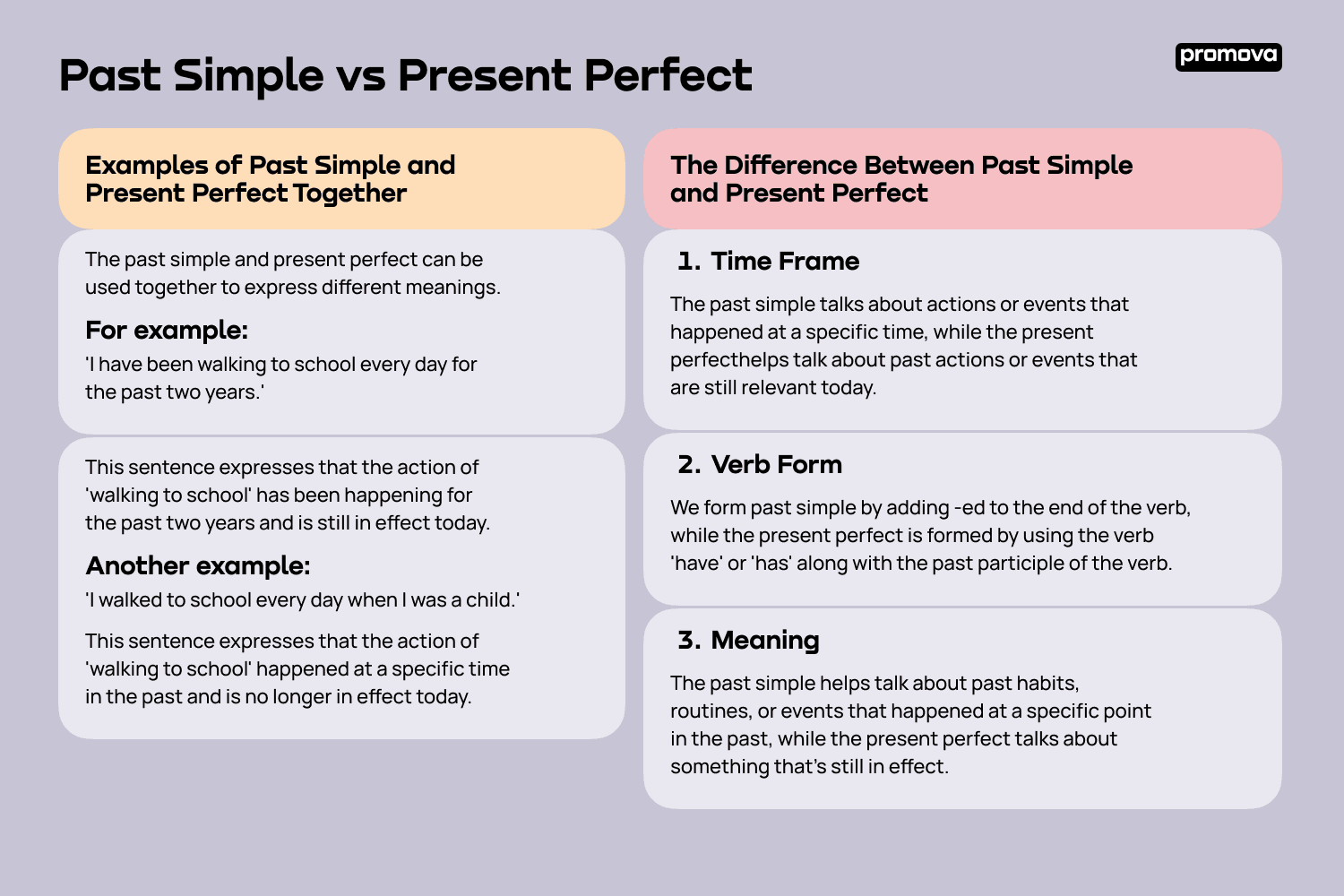
past perfect versus present perfect
Past Perfect Versus Present Perfect: What’s the Difference?
The past perfect tense is used to describe an action that was completed before another action in the past. For example, “She had already eaten dinner before the guests arrived.” It emphasizes the sequence of events.
On the other hand, the present perfect tense is used to describe an action that happened at an unspecified time before now or that has a connection to the present. For instance, “I have seen that movie three times.” It focuses on the result or the relevance to the present.
When deciding between past perfect and present perfect, consider the context of the sentence and the relationship between the actions. Remember, past perfect is for actions that happened before another past action, while present perfect is for actions that have a connection to the present moment.
By practicing with examples and paying attention to the timing and relevance of actions, you’ll soon become more comfortable using past perfect versus present perfect in your writing and conversations. Keep practicing, and before you know it, you’ll be a master of these two essential English tenses!
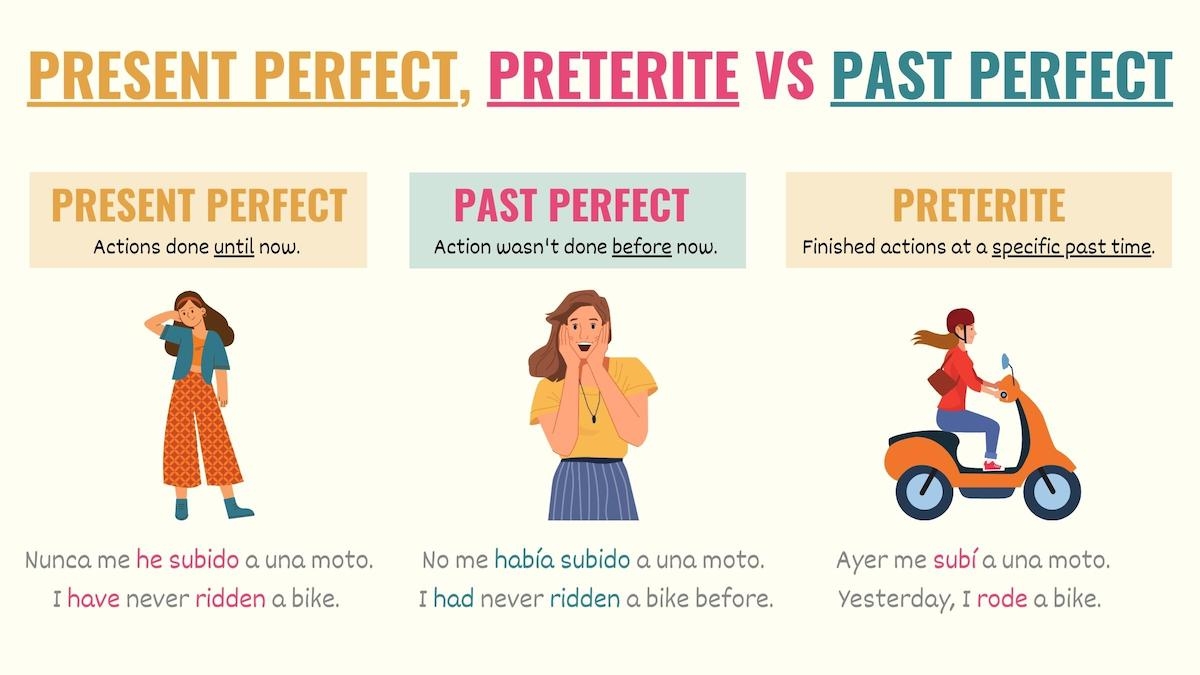
Past Perfect Spanish Tense Rules Conjugations Examples
Present Perfect Vs Past Perfect YouTube
Present Perfect Vs Past Perfect English Grammar Lesson YouTube
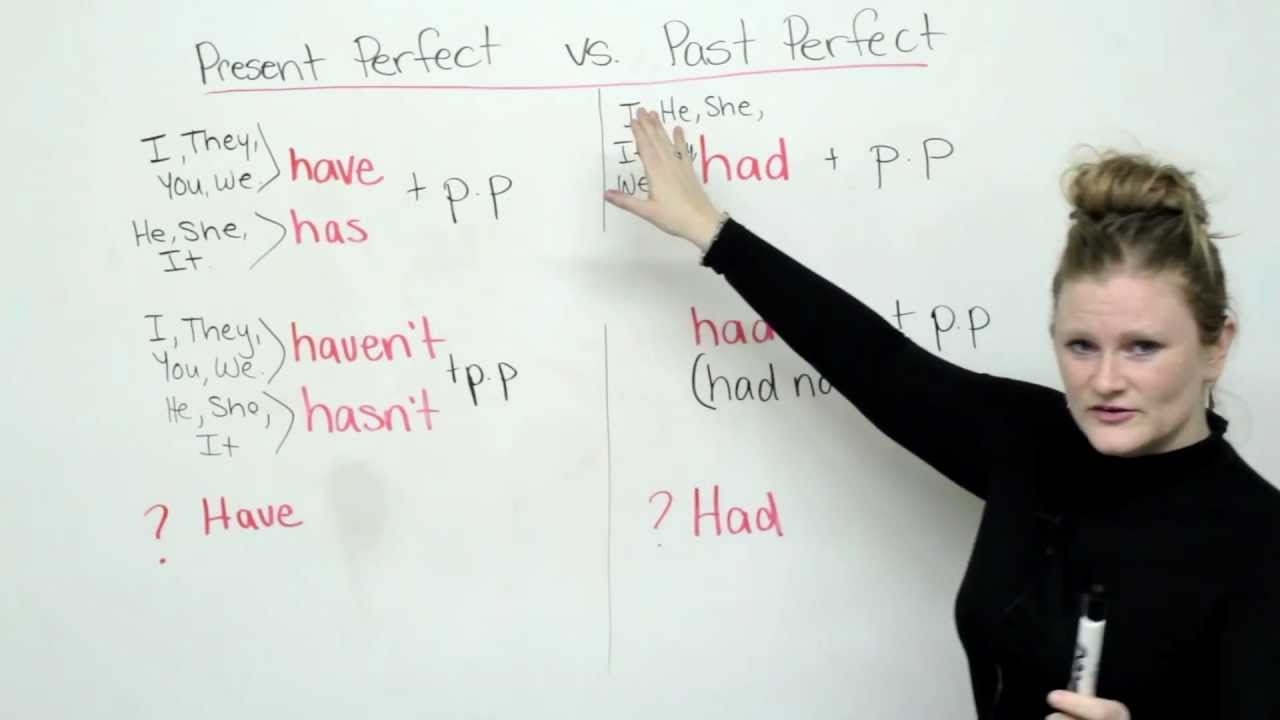
Present Perfect Or Past Perfect YouTube
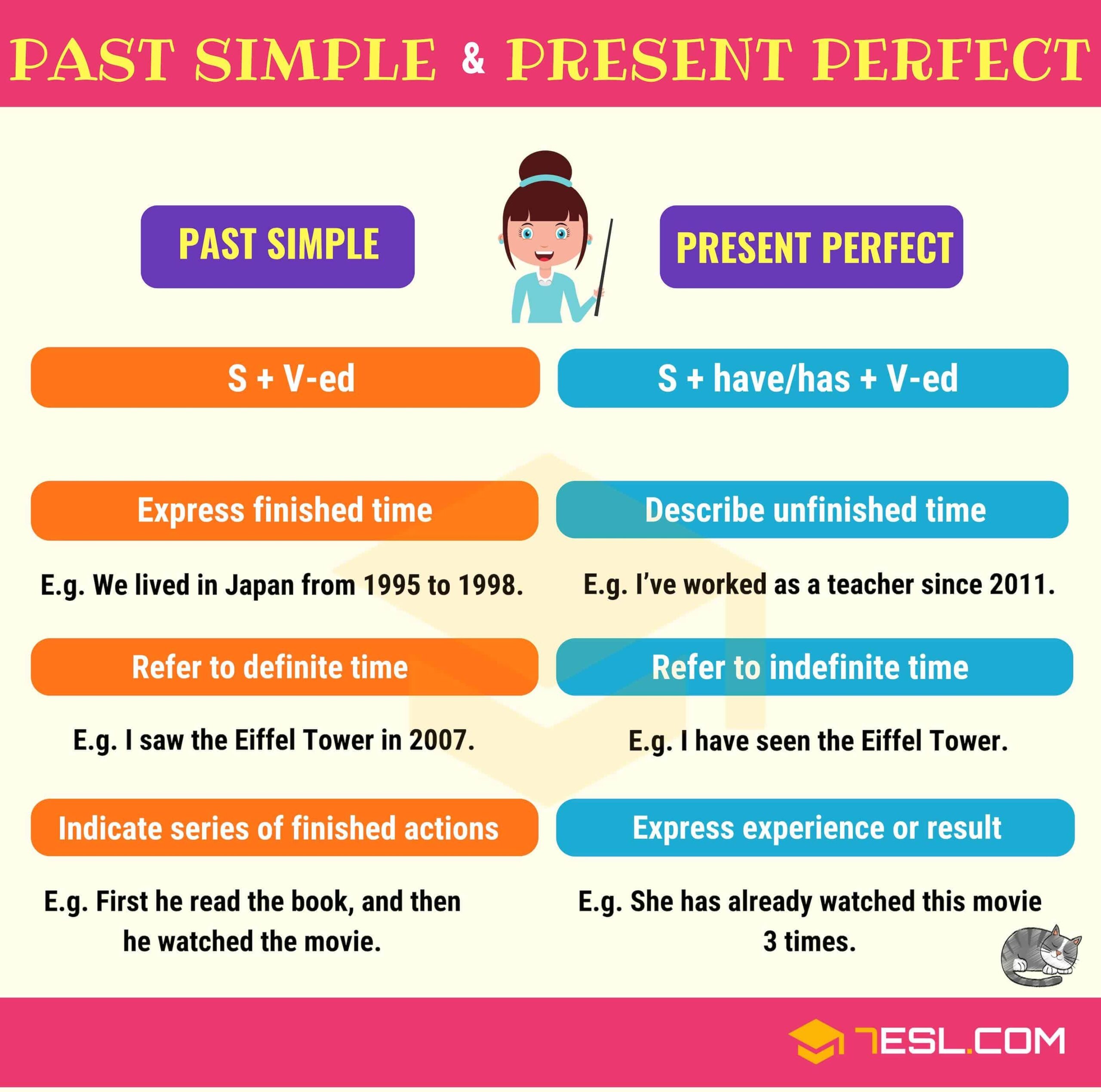
Past Simple And Present Perfect 7ESL