
Have you ever wondered about the present perfect tense and present perfect continuous tense? These two verb tenses can be confusing, but once you understand their differences, you’ll be using them like a pro!
The present perfect tense is used to talk about actions that happened at an unspecified time in the past or have a connection to the present. For example, “I have finished my homework.” On the other hand, the present perfect continuous tense is used to talk about actions that started in the past and are still ongoing in the present. For example, “I have been studying for two hours.”

present perfect tense and present perfect continuous tense
The Key Differences Between Present Perfect Tense and Present Perfect Continuous Tense
One key difference between the two tenses is the duration of the action. The present perfect tense focuses on the completion of the action, while the present perfect continuous tense emphasizes the duration of the action. For example, “I have read three books this week” (present perfect) versus “I have been reading for three hours” (present perfect continuous).
Another difference lies in the types of verbs used. The present perfect tense is often used with stative verbs (e.g., love, hate, know), while the present perfect continuous tense is used with dynamic verbs (e.g., run, study, work). This distinction helps to clarify the nature of the action being described.
By understanding these differences, you can effectively communicate in English using the present perfect tense and present perfect continuous tense. Practice using these verb tenses in your conversations and writing to become more fluent and confident in your English skills!
Next time you’re speaking or writing in English, remember to consider whether the present perfect tense or present perfect continuous tense is the right choice for expressing your ideas. With a little practice, you’ll be using these verb tenses correctly and effortlessly in no time!
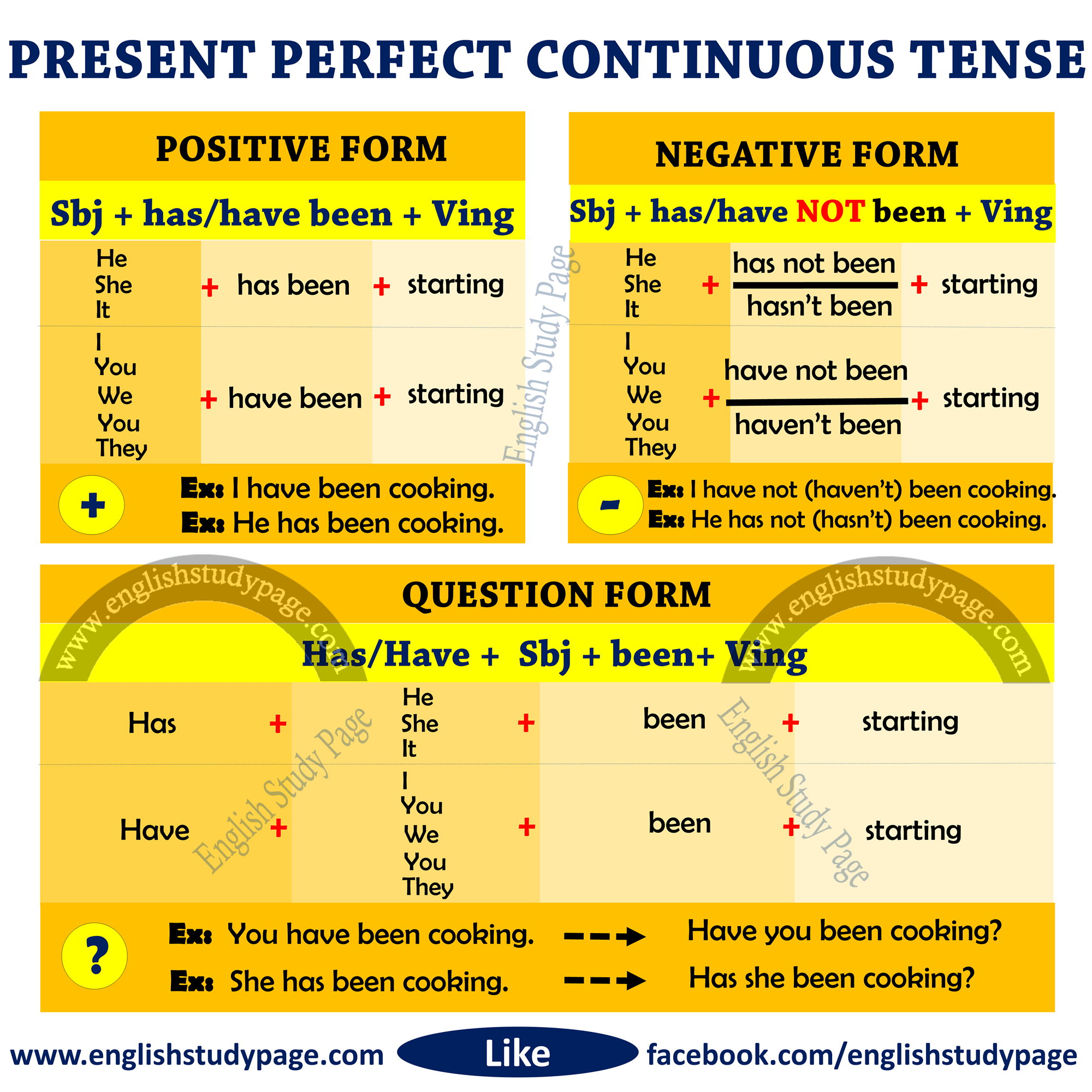
Structure Of Present Perfect Continuous Tense English Study Page

Present Perfect Continuous Tense Definition Rules And Useful Examples 7ESL

Present Perfect Continuous Tense English Grammar
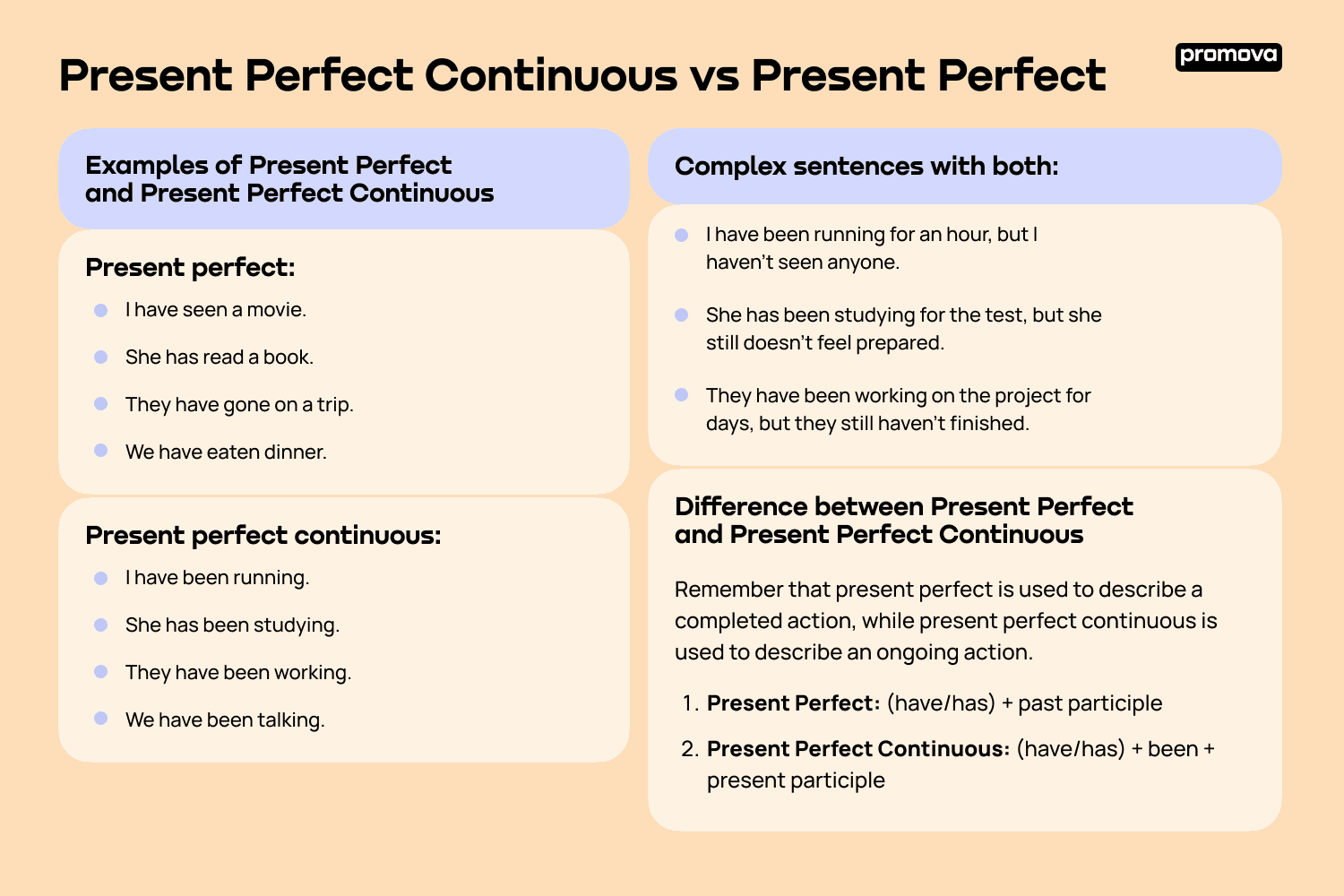
Present Perfect Continuous Vs Present Perfect Difference Promova Blog
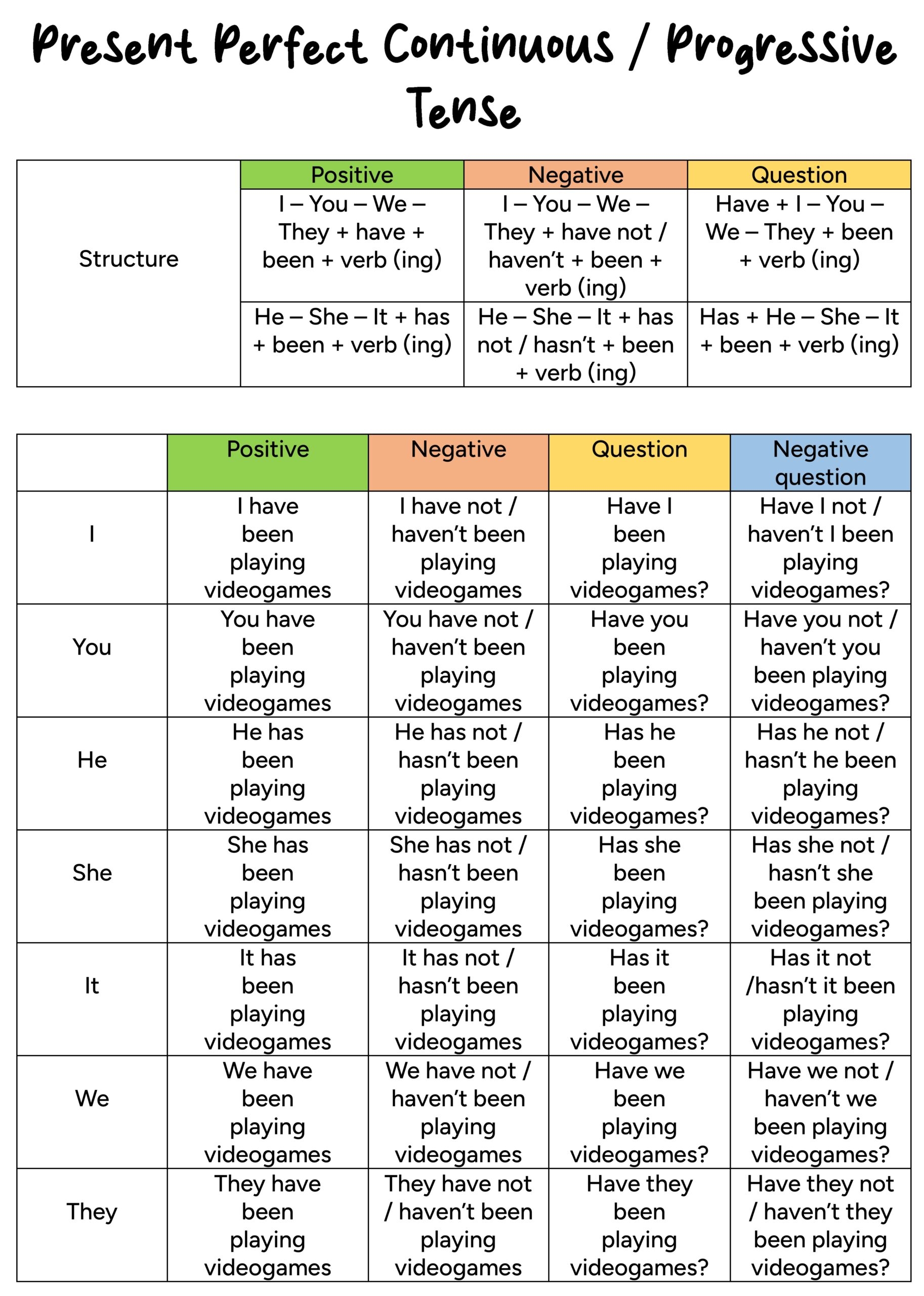
Present Perfect Continuous Or Progressive Tense English For Yourself