
Have you ever wondered about the past tense of the verb “to be”? It’s a common verb that we use every day without even realizing it. Let’s explore how we form the past tense of this essential verb.
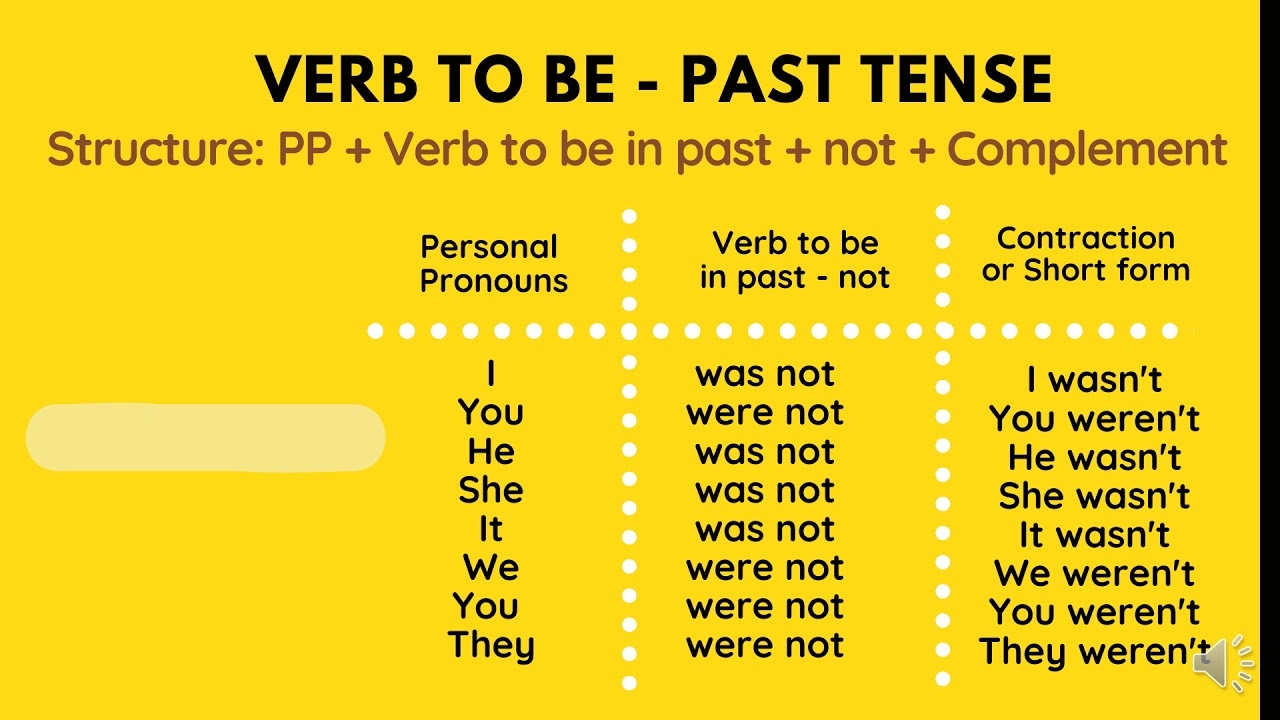
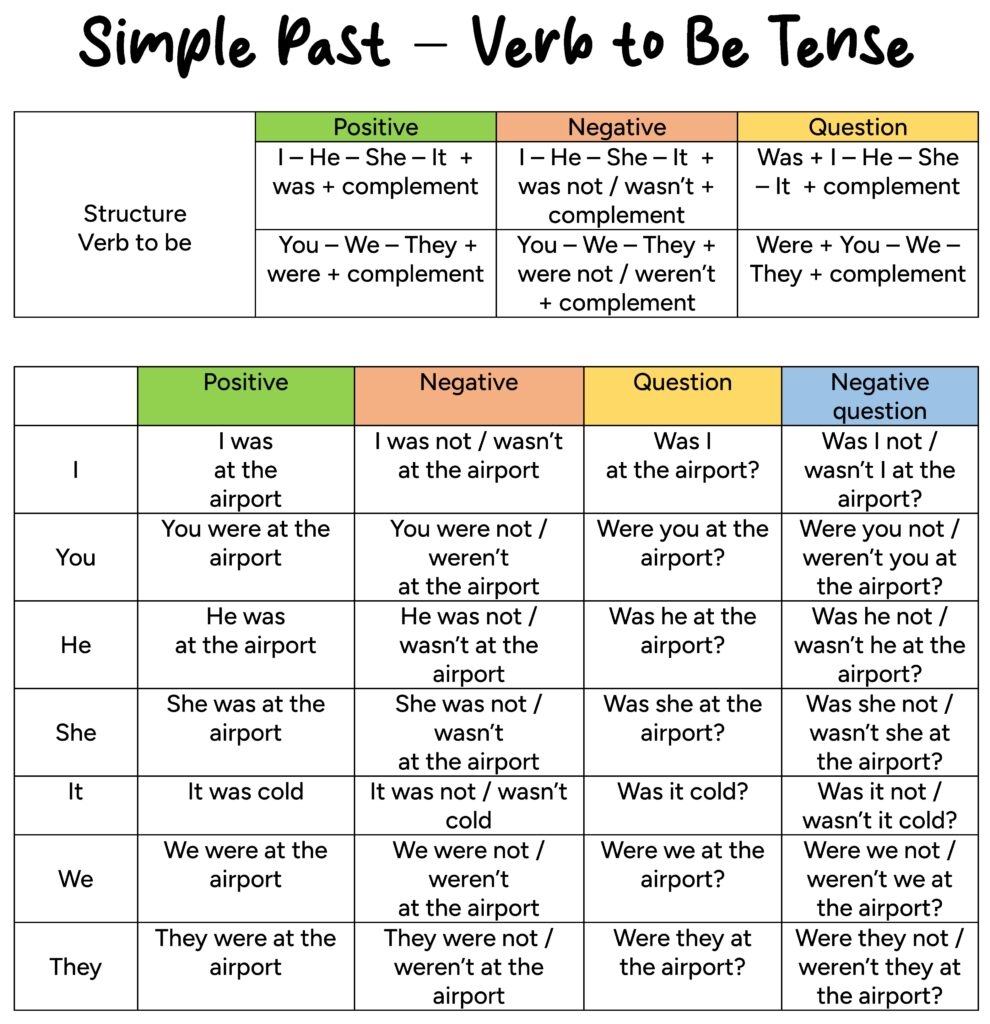
The past tense of the verb “to be” is a bit unique. In the singular form, “was” is used for the first and third person (I/he/she/it), and “were” is used for the second person (you) and plural forms (we/you/they). It’s simple once you get the hang of it!
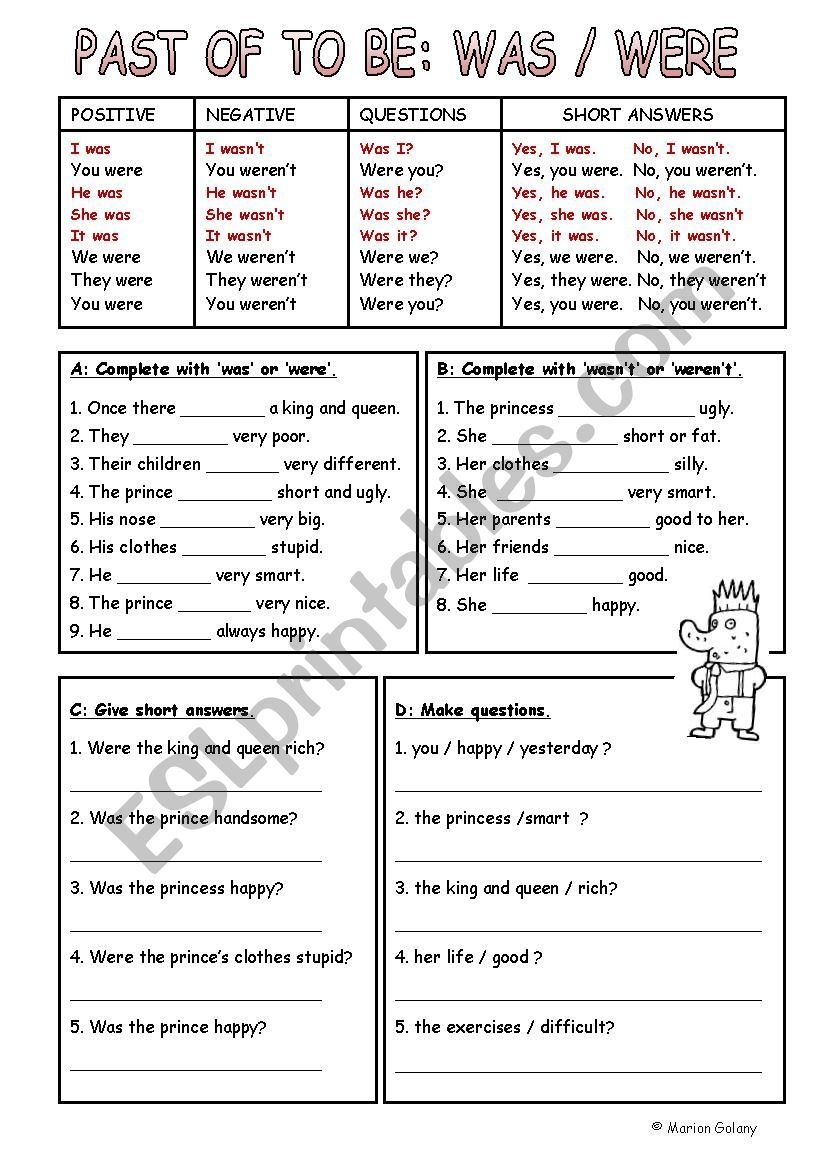
verb to be past tense
Forming the Past Tense of “To Be”
When talking about the past, we often use the past tense of the verb “to be” to describe situations or states that occurred before the present moment. For example, “I was at the store yesterday” or “They were excited about the news.”
It’s important to remember that the past tense of “to be” is irregular, meaning it doesn’t follow the typical pattern of regular verbs. Instead of adding -ed at the end like most verbs, “to be” changes completely to “was” or “were” depending on the subject of the sentence.
Next time you’re telling a story or recounting a past event, pay attention to how you use the past tense of the verb “to be.” It’s a fundamental part of English grammar that helps us communicate about the past with clarity and accuracy.
So, the next time you find yourself in a conversation or writing a story, remember to use the correct past tense form of the verb “to be.” Whether it’s “was” or “were,” mastering this essential verb will improve your English skills and make your communication more precise.
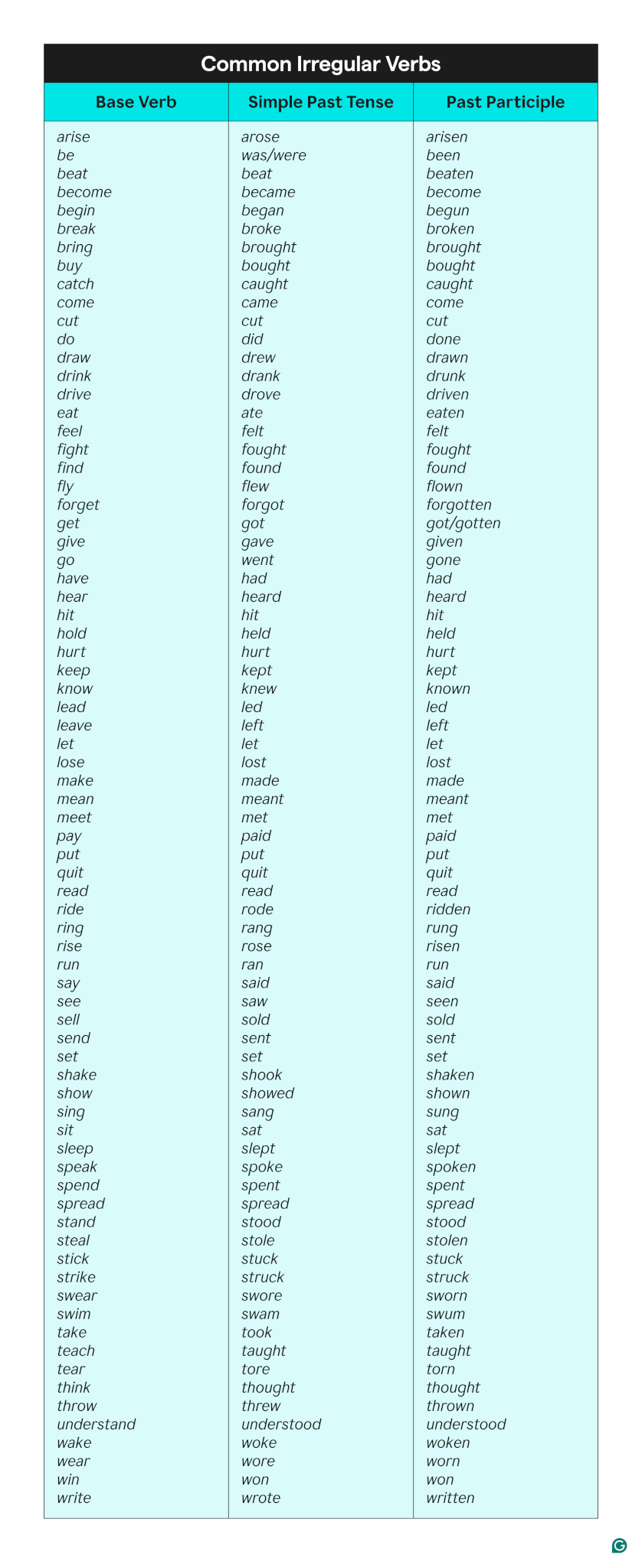
List Of Irregular Verbs With Rules And Examples Grammarly
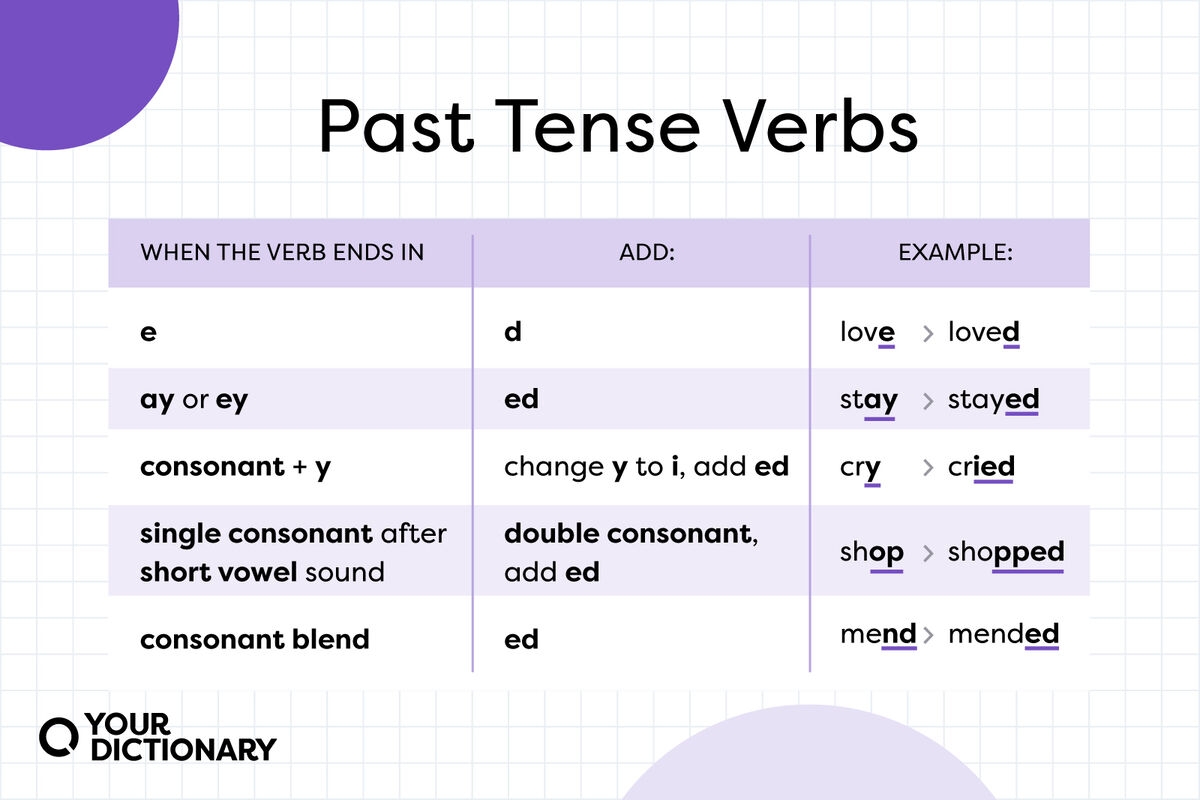
What Are Past Tense Verbs Meaning And Usage YourDictionary
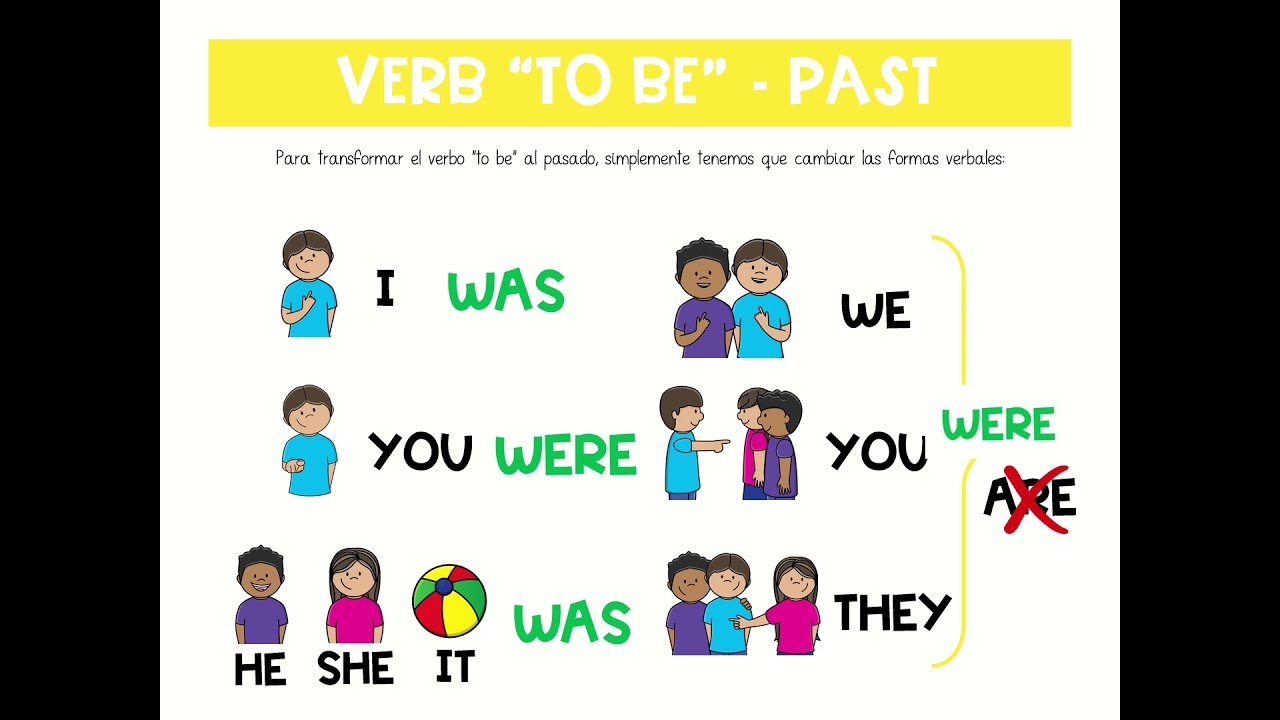
VERB TO BE PAST SIMPLE YouTube
Verb To Be Past Tense YouTube
Simple Past Tense English For Yourself