
Learning present tense conjugations in Spanish can seem overwhelming at first, but with a little practice, you’ll be conjugating verbs like a pro in no time. Spanish verbs can change depending on the subject, so it’s important to understand the basics.
When conjugating regular verbs in the present tense, you simply need to remove the infinitive ending (-ar, -er, -ir) and add the appropriate ending for the subject. For example, for the verb “hablar” (to speak), you would say “yo hablo” (I speak), “tú hablas” (you speak), and so on.
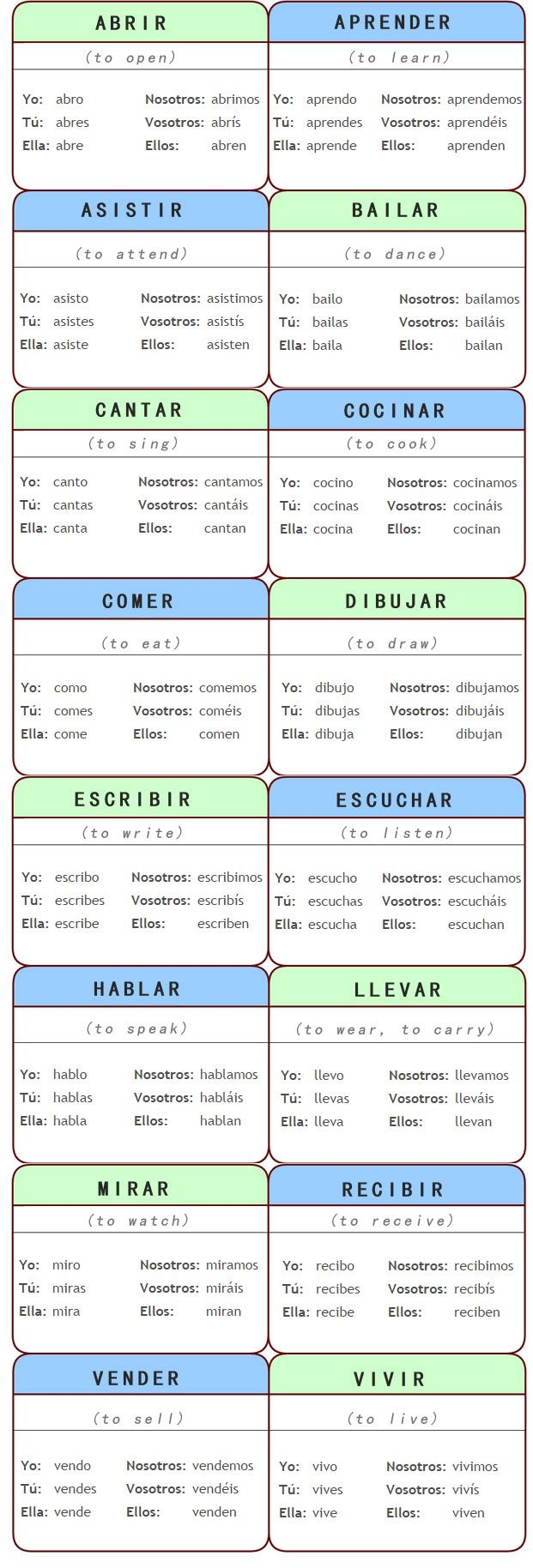
present tense conjugations spanish
Mastering Present Tense Conjugations in Spanish
Irregular verbs in Spanish may not follow the same rules as regular verbs, so it’s essential to memorize their conjugations. Some common irregular verbs include “ser” (to be), “ir” (to go), and “tener” (to have).
Practice makes perfect when it comes to learning present tense conjugations in Spanish. Try creating flashcards, using online quizzes, or practicing with a language partner to reinforce your understanding. The more you practice, the more natural conjugating verbs will become.
Don’t get discouraged if you make mistakes along the way. Learning a new language takes time and patience. Keep practicing, and soon you’ll be conjugating Spanish verbs with confidence.
So, next time you sit down to study Spanish, don’t forget to practice your present tense conjugations. With dedication and perseverance, you’ll soon be able to communicate fluently in Spanish.
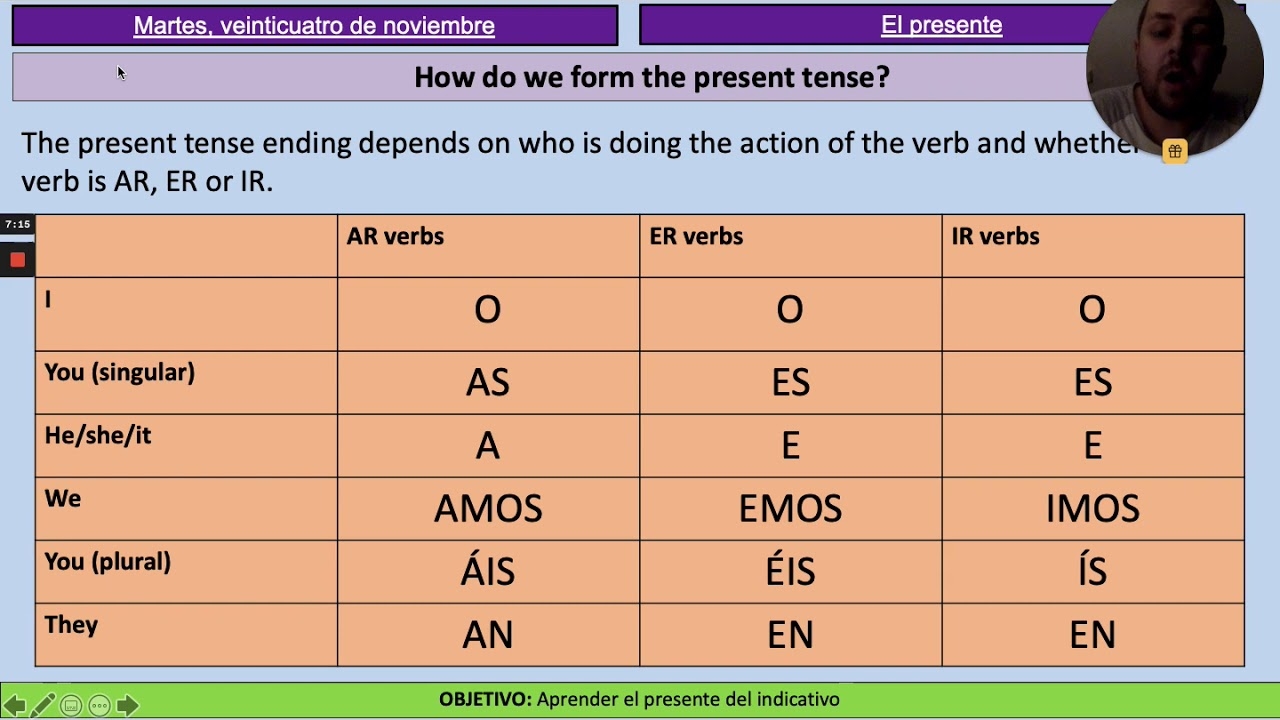
SPANISH KS3 PRESENT TENSE YouTube
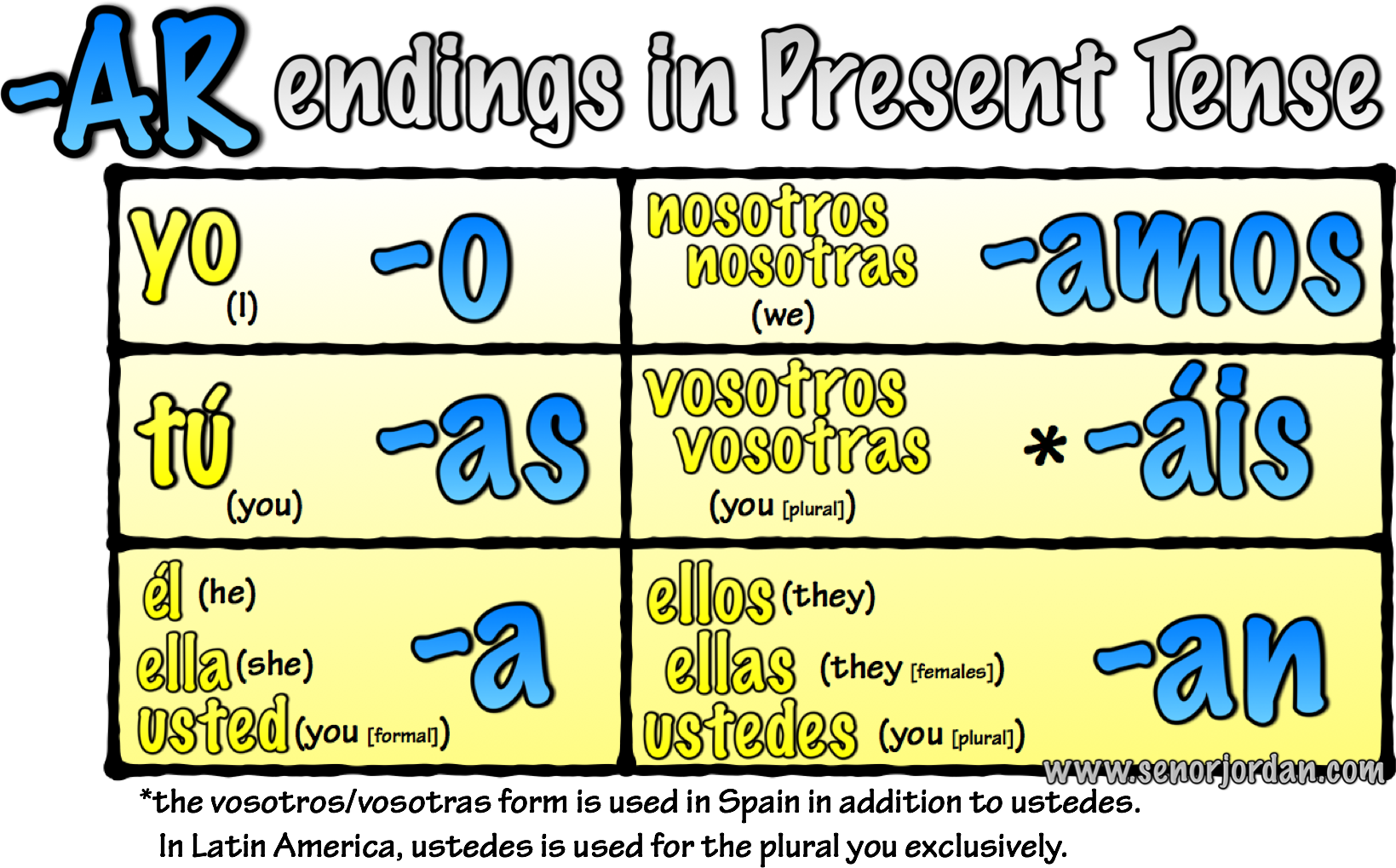
Present Tense Profesora Dowden
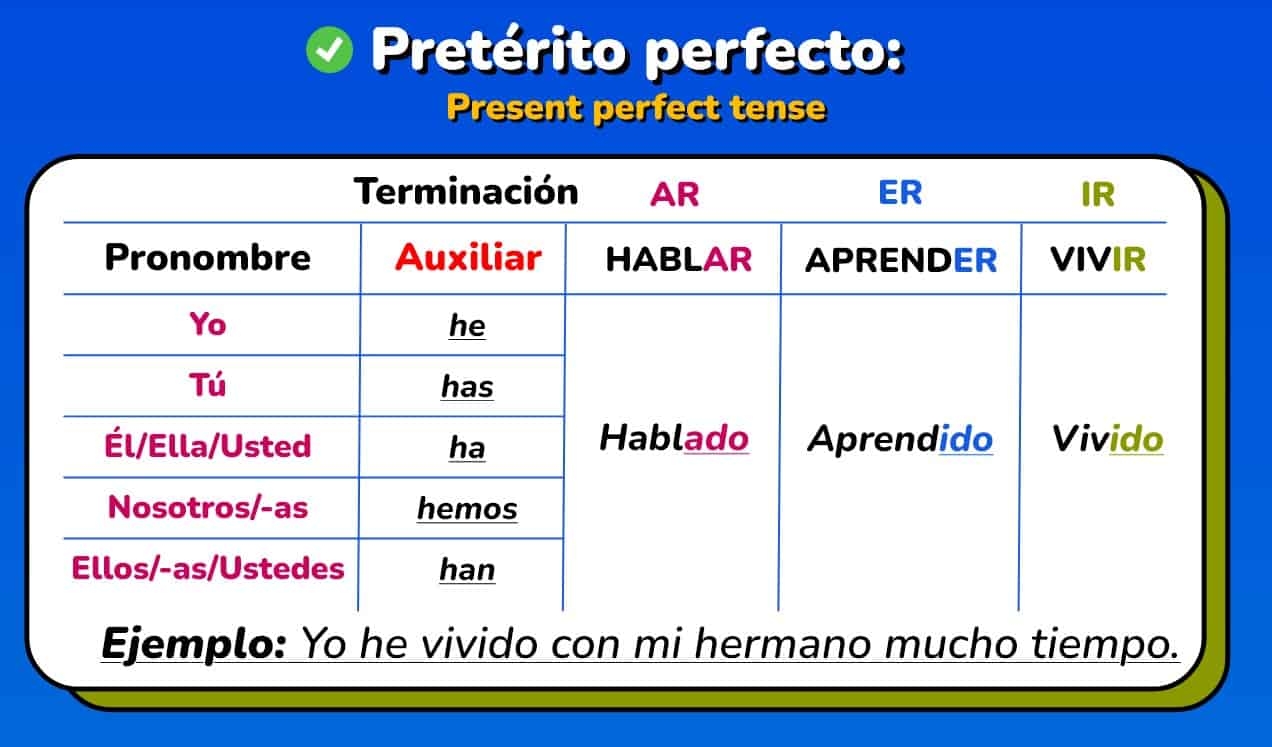
Speak Spanish Like A Pro Master These 8 Essential Conjugations
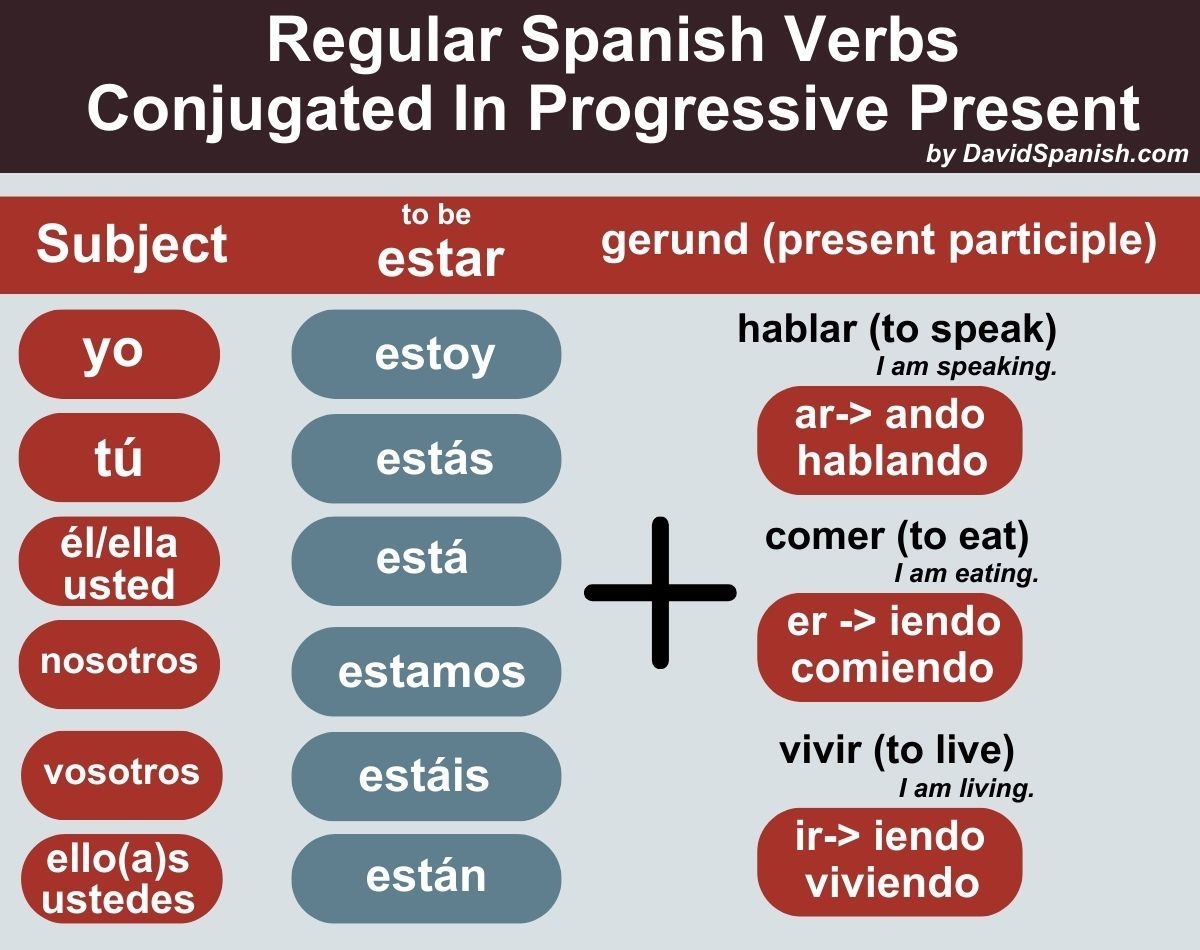
How To Form Use The Spanish Progressive Present Tense
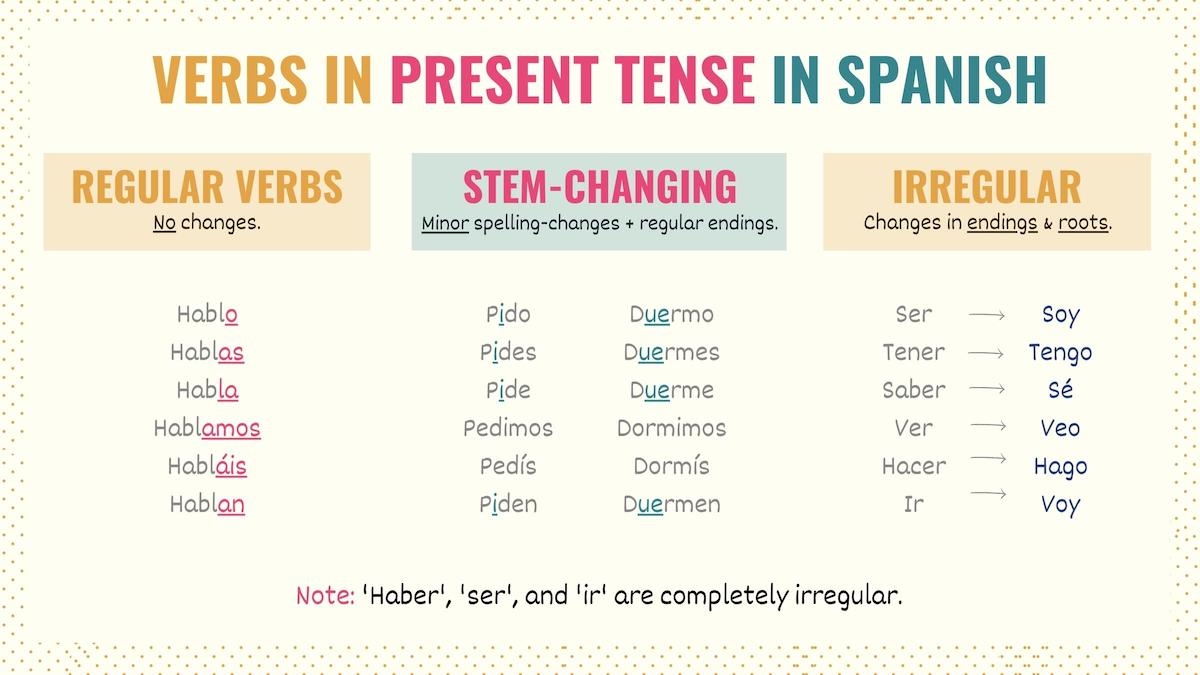
Present Tense Spanish 101 Conjugations Uses Charts Tell Me In Spanish