
Latin is a fascinating language with complex grammar rules, including the perfect passive participle. This form of the verb is used to express actions that have been completed in the past by someone or something.
When studying Latin, understanding the perfect passive participle is essential for translating texts accurately. It can be tricky at first, but with practice, you’ll get the hang of it. Let’s dive into the details of this important Latin grammar concept.
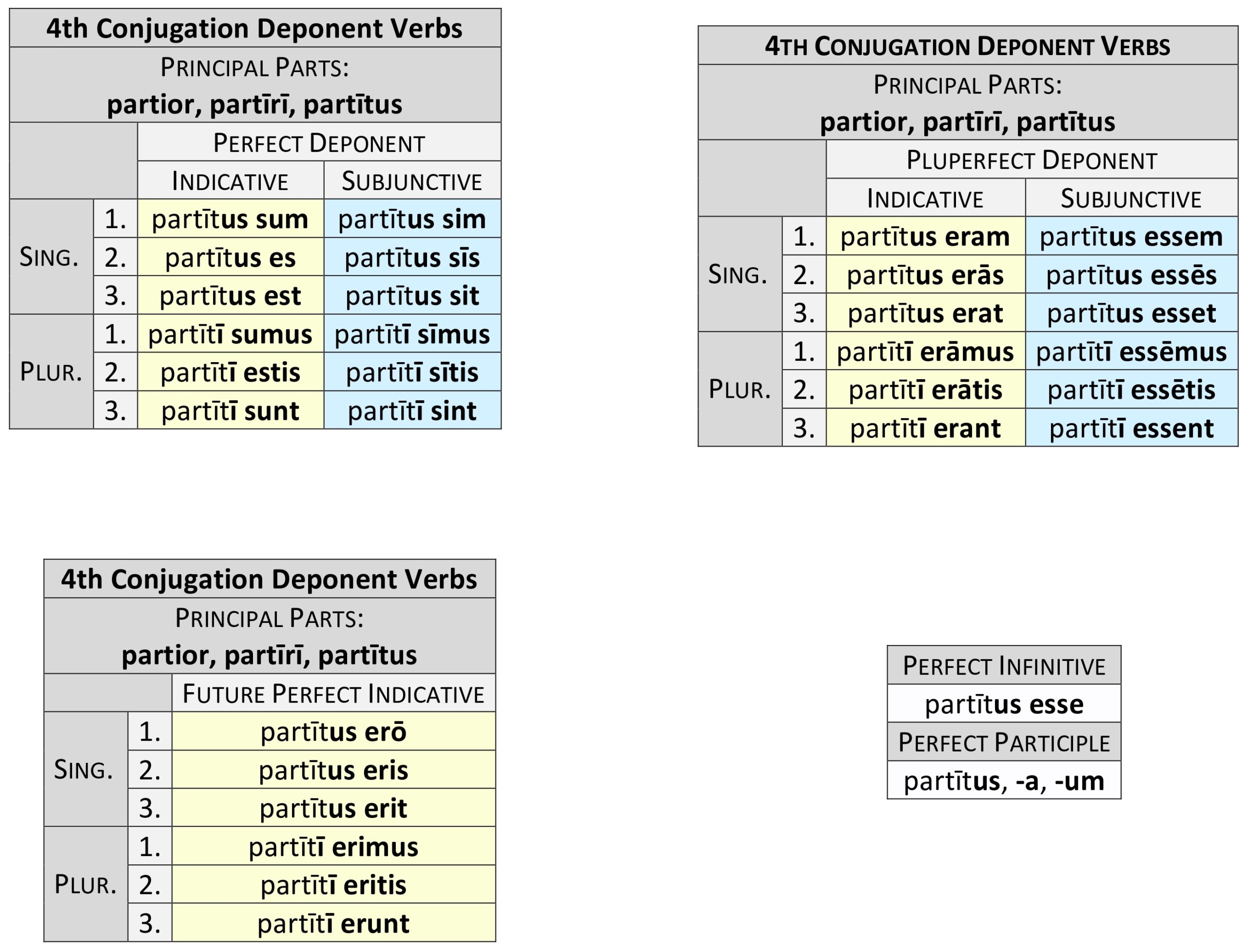
perfect passive participle latin
The Perfect Passive Participle in Latin
The perfect passive participle in Latin is formed by adding the suffix “-us, -a, -um” to the verb stem. For example, the verb “amare” (to love) becomes “amatus, -a, -um” in the perfect passive participle form.
This participle is often used in conjunction with the verb “sum” (to be) to form the perfect passive voice. For example, “amatus sum” means “I have been loved.” It’s crucial to pay attention to verb endings and conjugations to use the perfect passive participle correctly.
Mastering the perfect passive participle in Latin opens up a world of possibilities when reading classical texts. It allows you to decipher the nuances of the language and appreciate the beauty of Latin literature. Practice regularly to enhance your understanding of this essential grammar concept.
In conclusion, the perfect passive participle in Latin may seem challenging at first, but with dedication and practice, you can grasp its intricacies. Embrace the journey of learning Latin and enjoy unraveling the mysteries of this ancient language. Good luck on your linguistic adventures!

Perfect Passive Participles Language Latin ShowMe
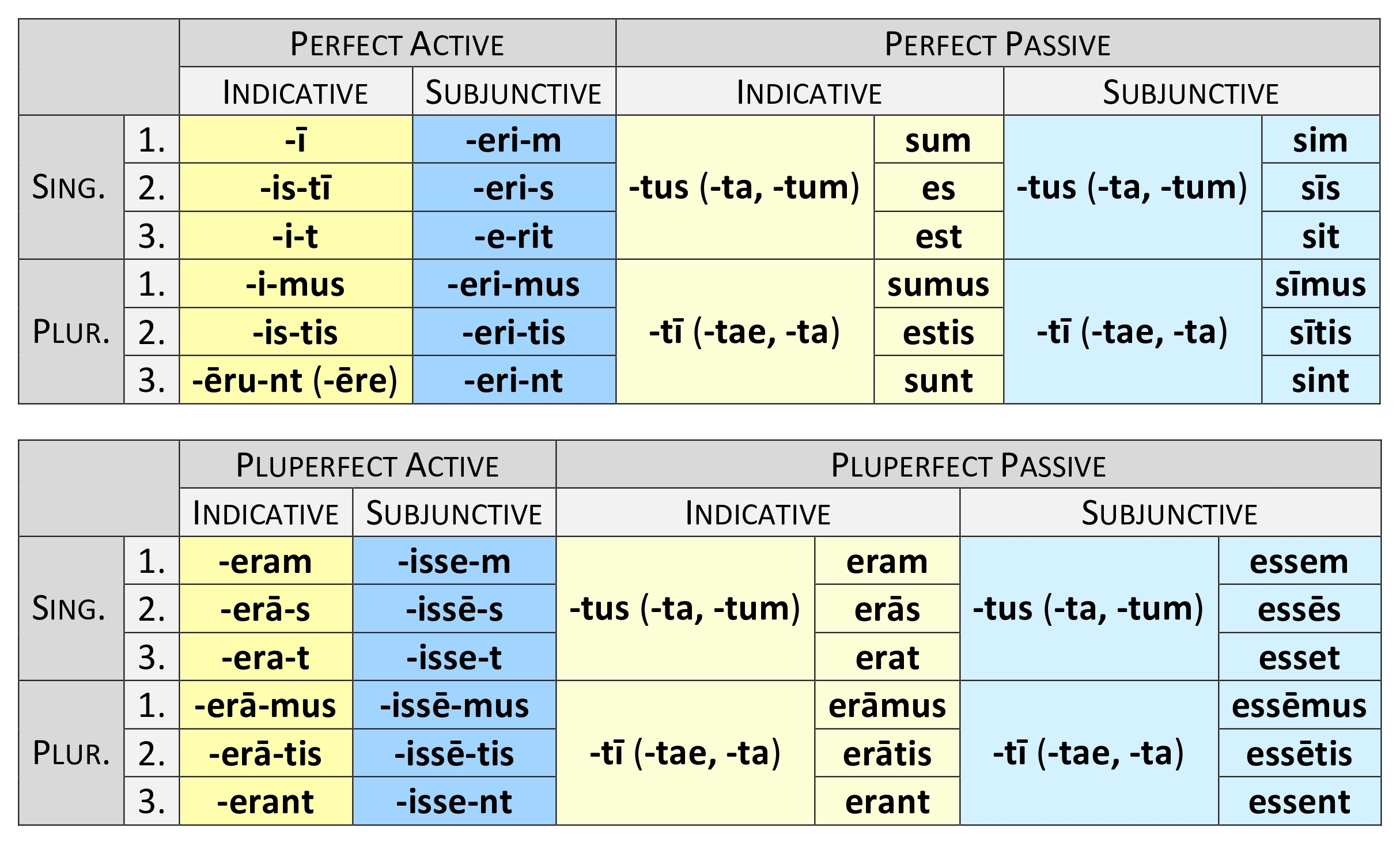
Latin Verbs Endings Dickinson College Commentaries

The Perfect Passive YouTube
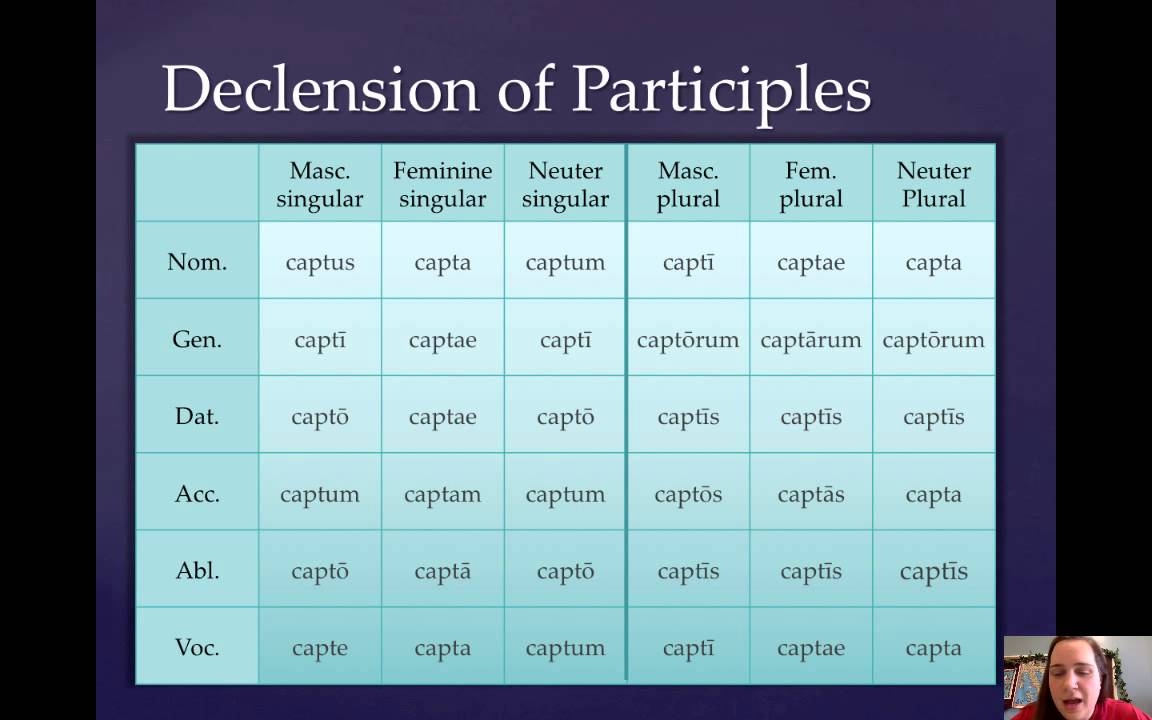
Ch 19 Perfect Passive Participle YouTube

Perfect Passive Participles YouTube
