
Have you ever wondered about the difference between present tense and present continuous in English grammar? Understanding these two verb forms can help you communicate more effectively in everyday conversations.
Present tense refers to actions that are happening right now or regularly occur. For example, “I eat breakfast every morning.” On the other hand, present continuous is used for actions that are currently in progress, like “I am eating lunch at the moment.”
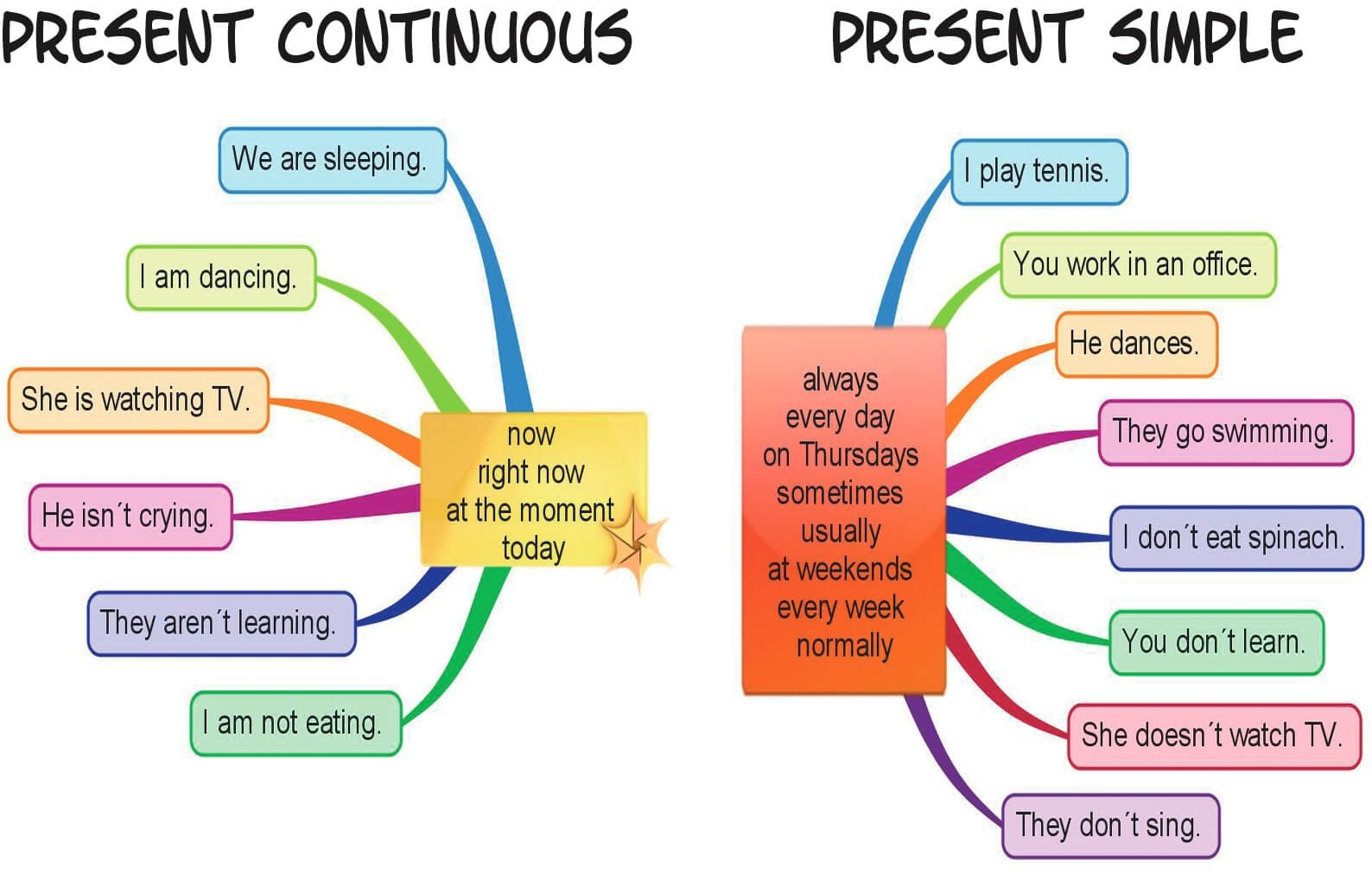
present tense and present continuous
The Key Difference: Present Tense vs. Present Continuous
When using present tense, you are talking about actions that are habitual or factual. It is a simple way to describe things that are generally true. In contrast, present continuous is more dynamic as it describes actions happening at the moment of speaking.
For instance, you might say, “I play tennis every Sunday” (present tense) versus “I am playing tennis right now” (present continuous). The latter highlights the current nature of the action, emphasizing its ongoing status.
It’s important to pay attention to these nuances in English grammar to accurately convey your thoughts and actions. By mastering the difference between present tense and present continuous, you can enhance your language skills and express yourself more clearly in various situations.
So next time you’re chatting with friends or writing a report, remember to choose the appropriate verb form. Whether you’re talking about routine activities or what you’re doing in the moment, using present tense or present continuous can make a big difference in how your message is understood.
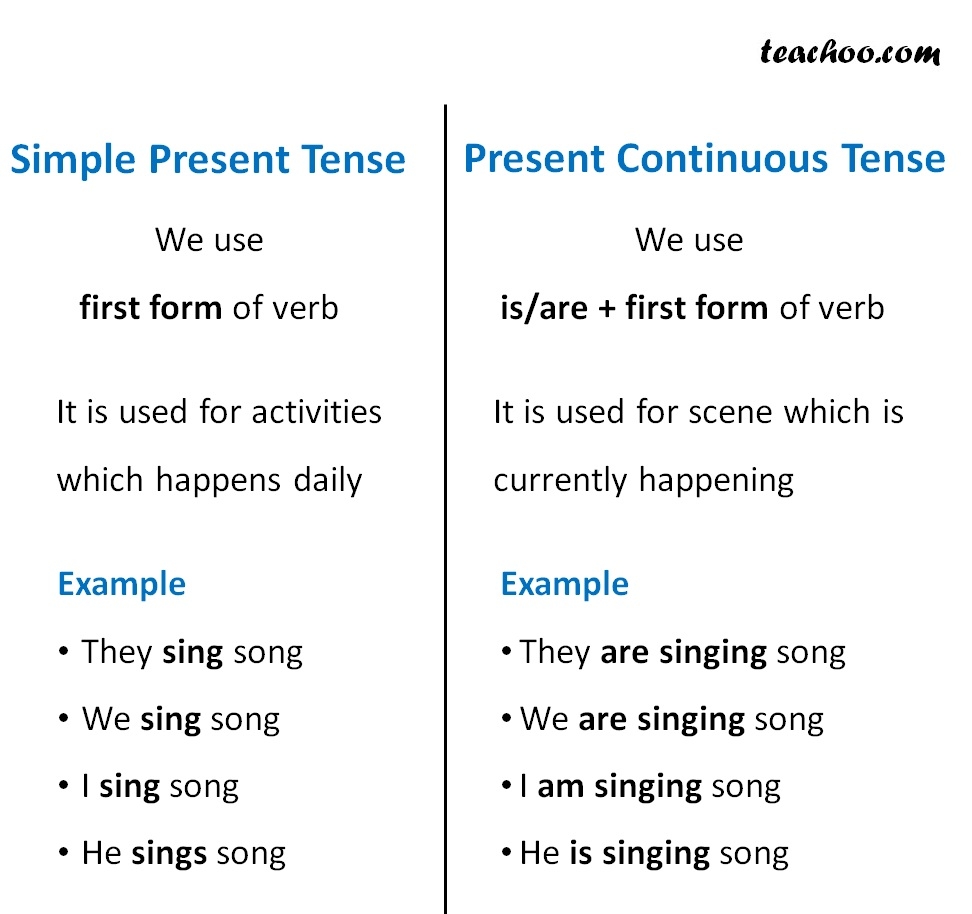
Present Continuous Verbs And Tenses
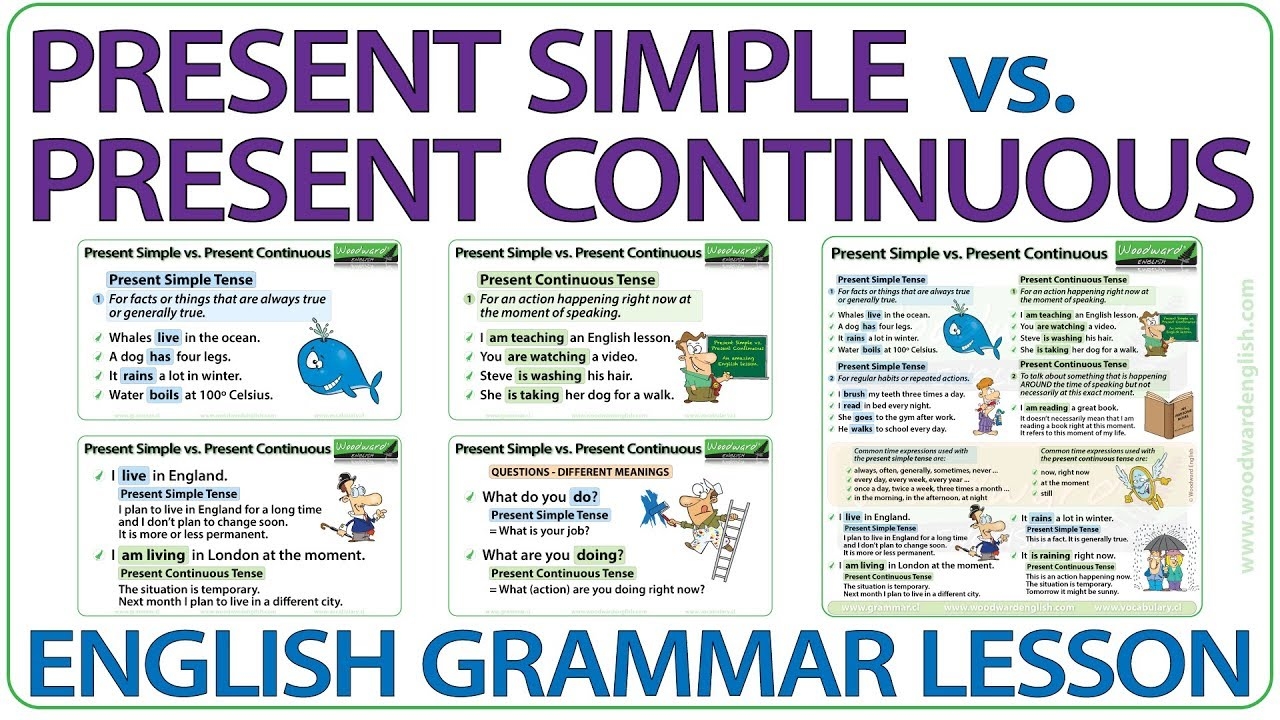
Present Simple Vs Present Continuous Tense Learn English Grammar ESOL Lesson YouTube
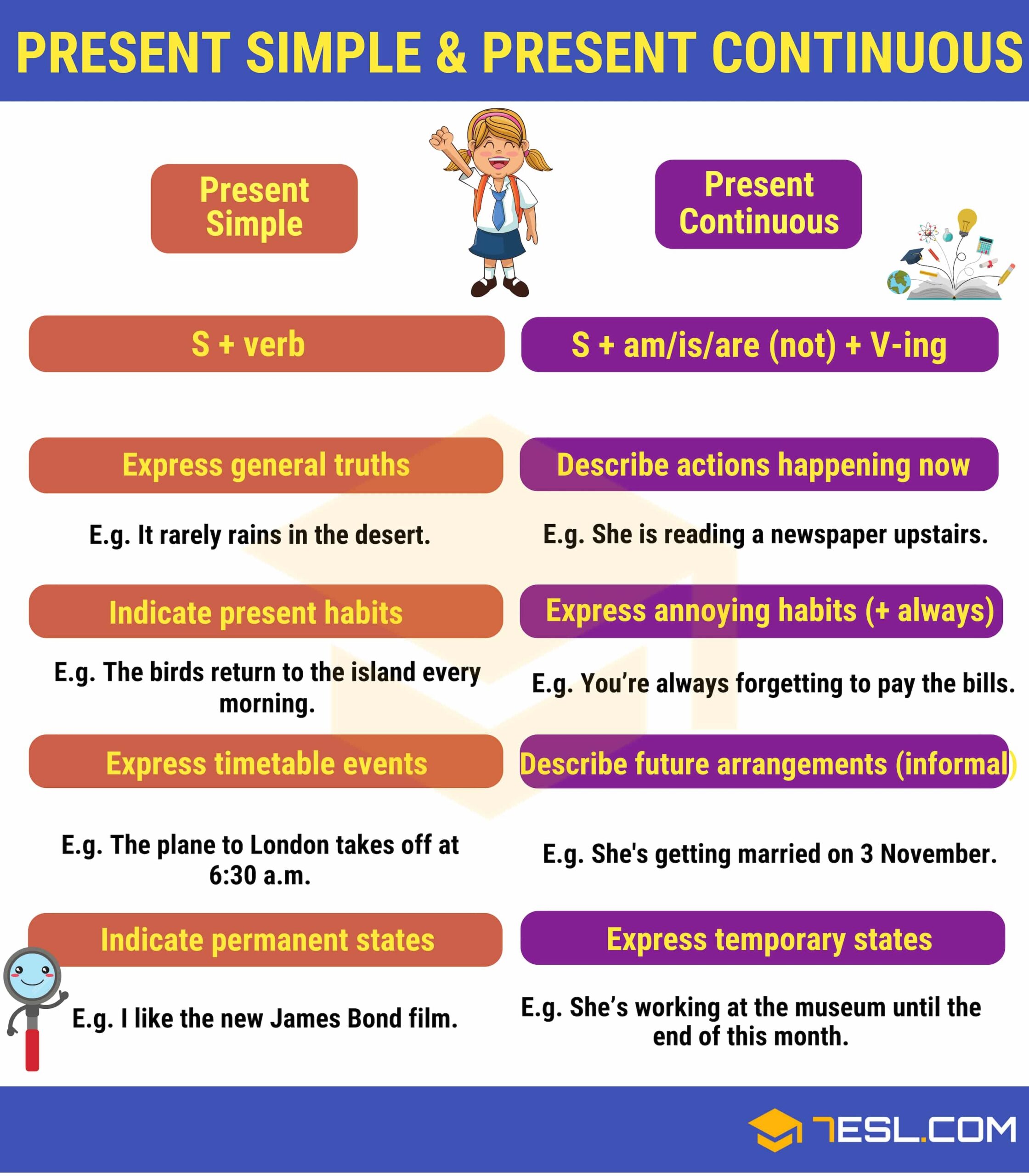
Present Simple And Present Continuous Important Differences 7ESL
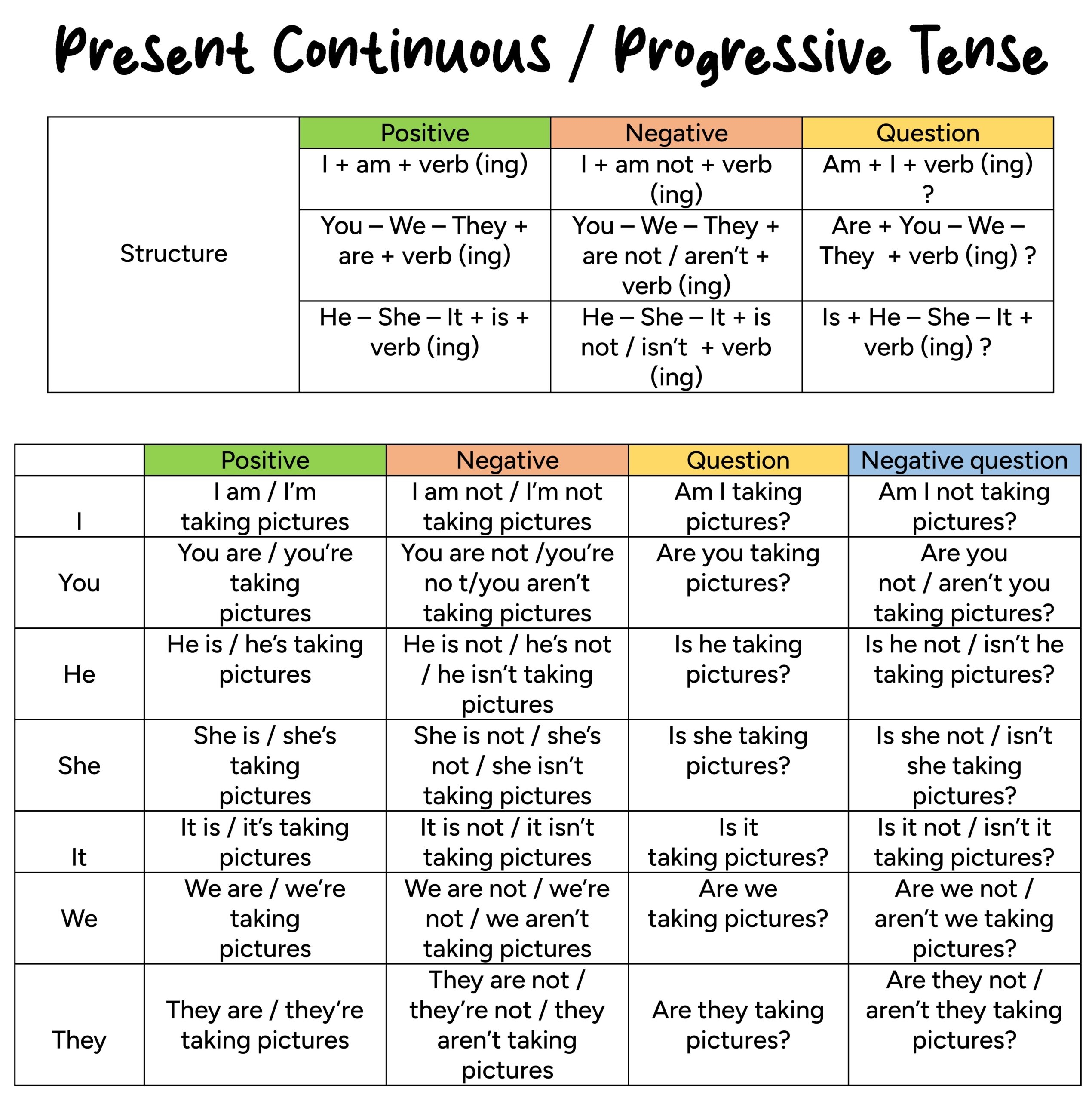
Present Continuous Or Progressive Tense English For Yourself
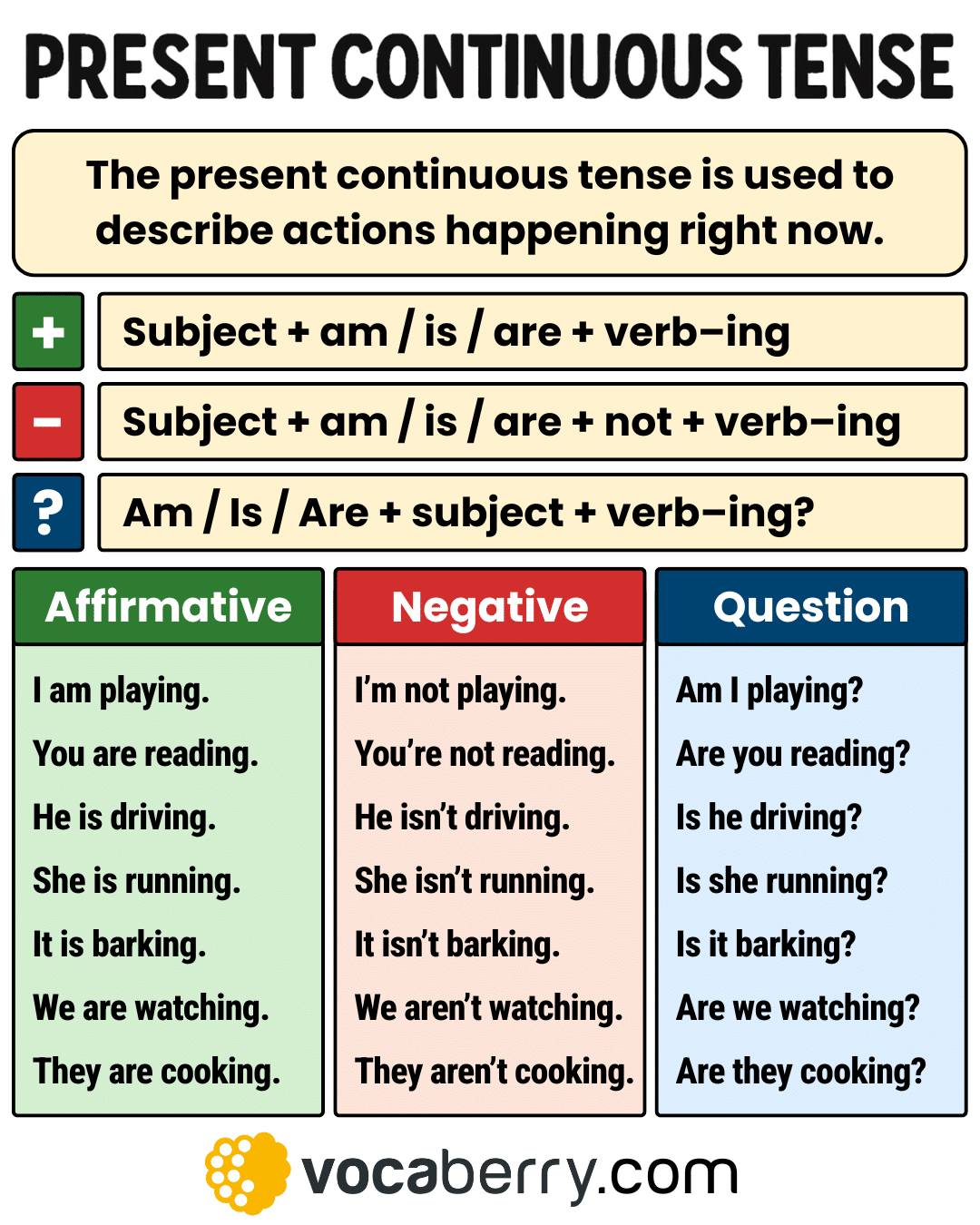
Present Continuous Tense English Grammar
