
Learning reflexive verbs in Spanish can be a bit tricky at first, but with practice, you’ll soon get the hang of it. These verbs are used when the subject and object of a sentence are the same, like “I wash myself” or “She gets dressed.”
Practicing reflexive verbs is essential to mastering the Spanish language. By using them correctly, you can express actions that people do to themselves, such as brushing their teeth, taking a shower, or getting dressed. It adds depth and nuance to your conversations.
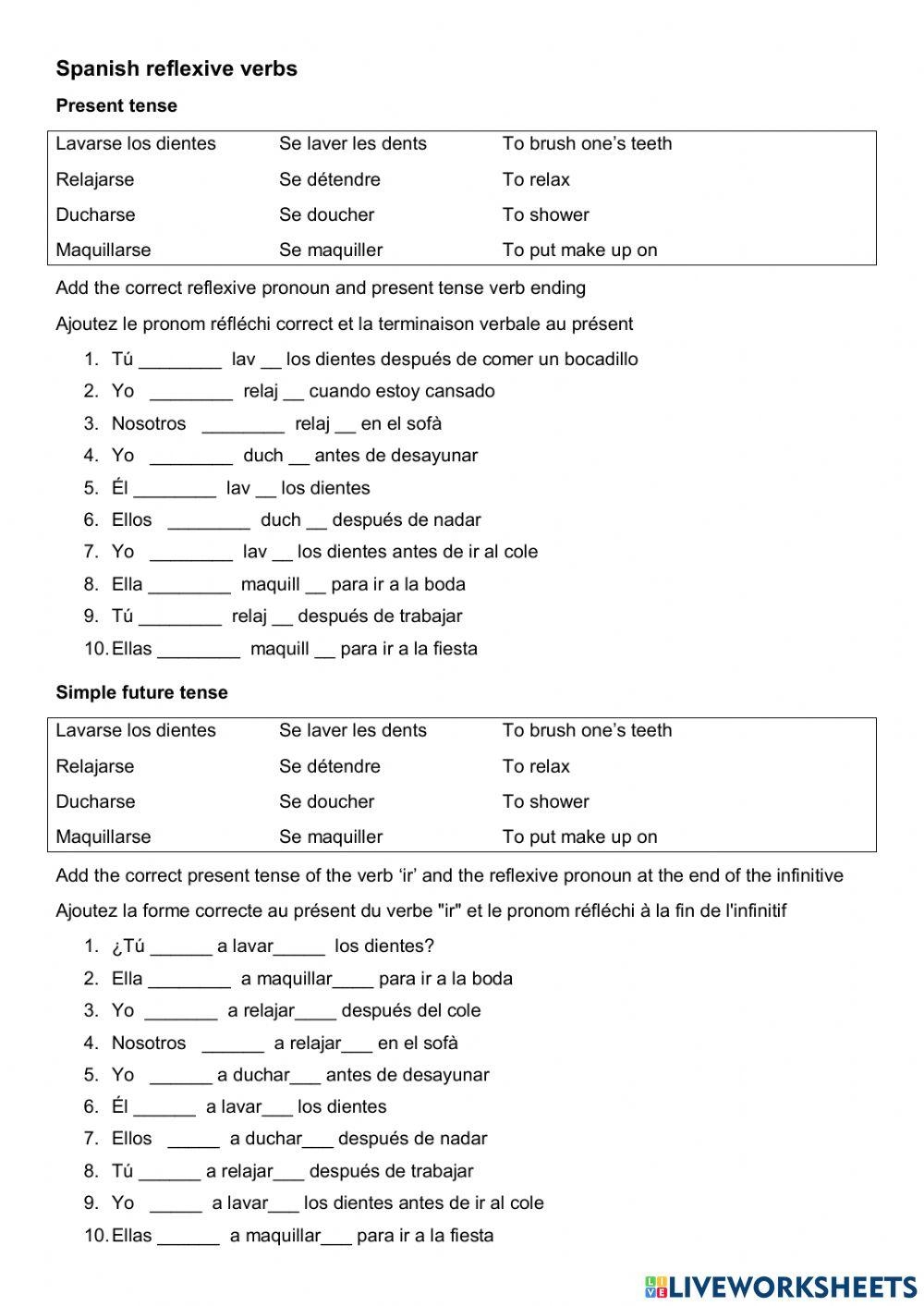
reflexive verbs spanish practice
Improve Your Skills with Reflexive Verbs Spanish Practice
One effective way to practice reflexive verbs in Spanish is by incorporating them into your daily routine. For example, when you wake up, say “Me levanto” (I get up) or when you eat, say “Me como” (I eat). This helps reinforce your understanding and usage of these verbs.
Another helpful practice is to create sentences using reflexive verbs in different tenses. Start with the present tense, then move on to the past and future tenses. This exercise not only improves your grammar but also expands your vocabulary.
Watching Spanish TV shows or movies can also be a fun way to practice reflexive verbs in context. Pay attention to how native speakers use these verbs in everyday conversations and try to mimic their speech patterns. It’s a great way to learn naturally.
In conclusion, mastering reflexive verbs in Spanish takes time and practice, but the effort is worth it. By incorporating these verbs into your daily routine, experimenting with different tenses, and immersing yourself in the language, you’ll soon become more confident and fluent in Spanish.
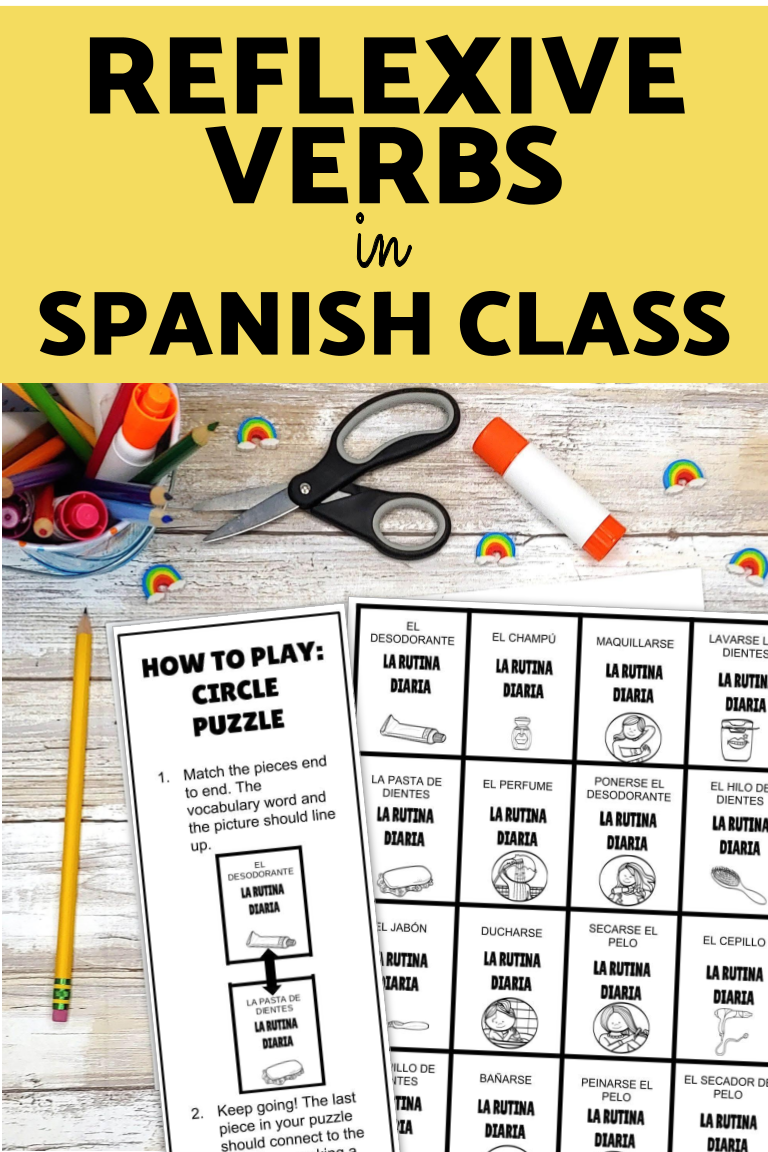
7 Ideas For Practice With Reflexive Verbs In Spanish Srta Spanish
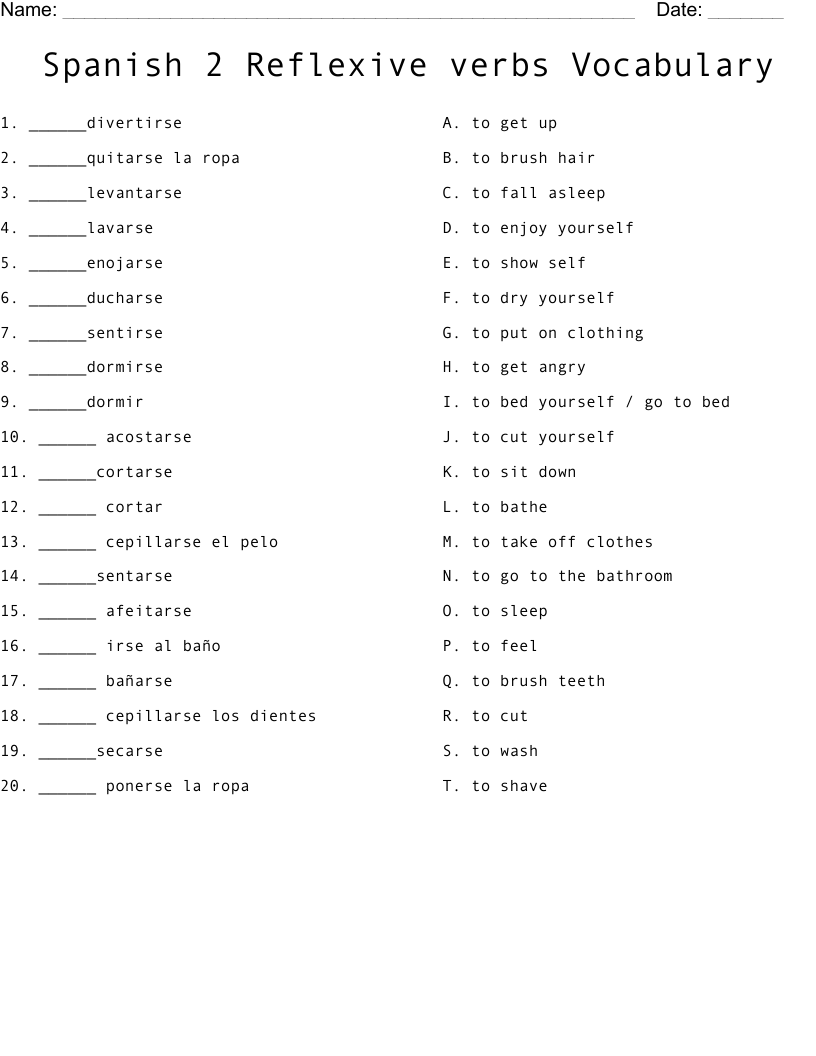
Spanish 2 Reflexive Verbs Vocabulary Worksheet WordMint
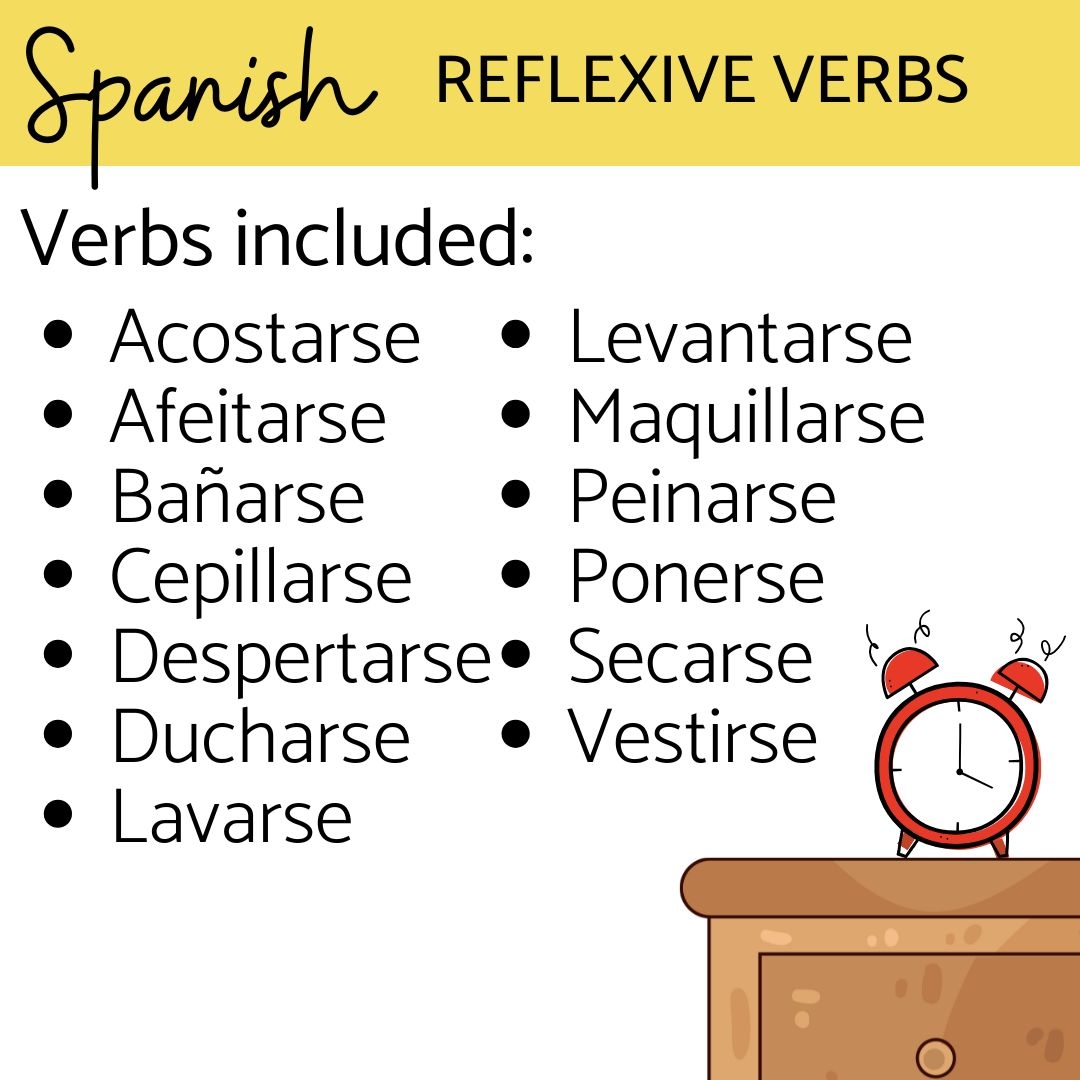
Spanish Present Tense Reflexive Verbs Worksheet Srta Spanish
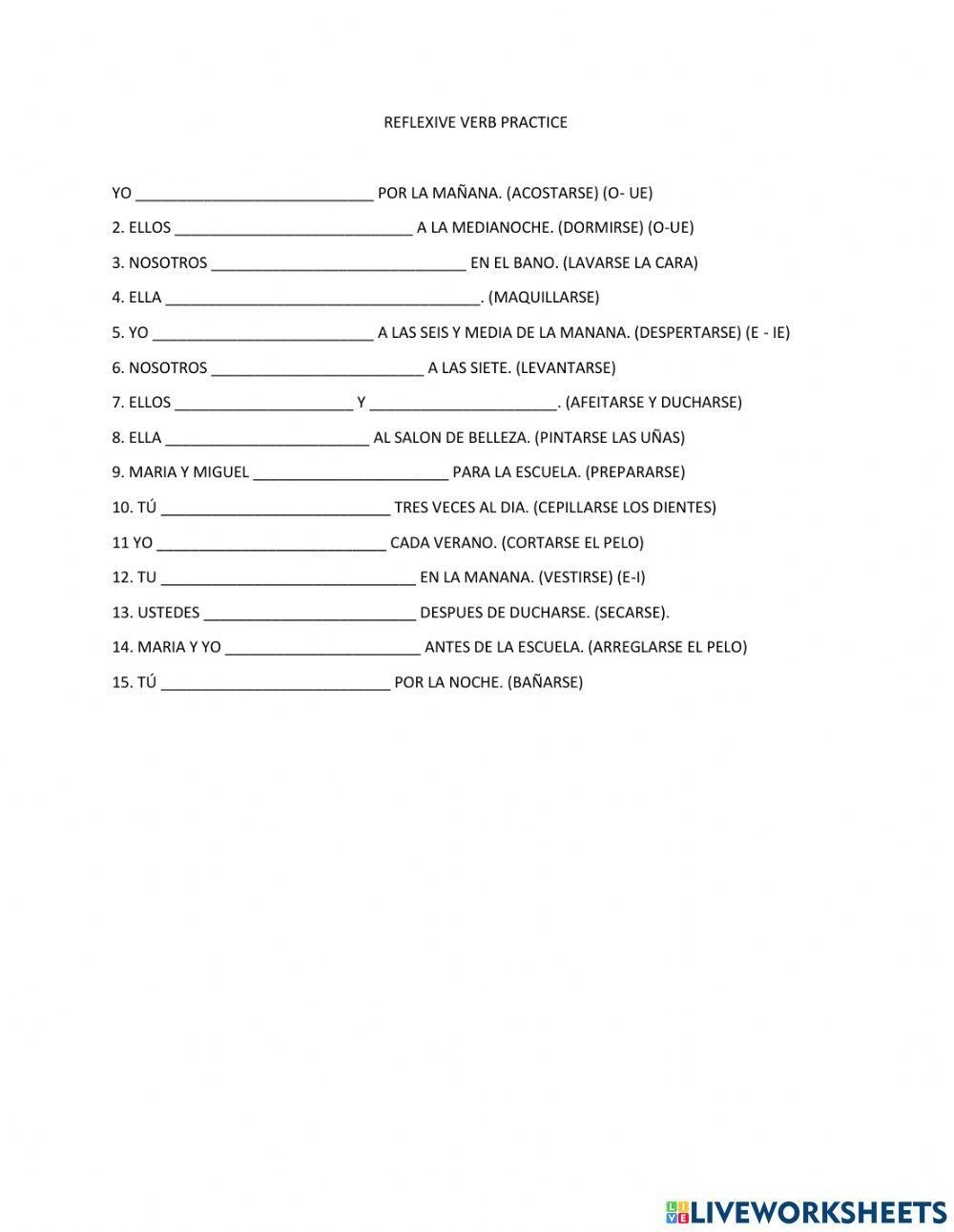
Reflexive Verbs Practice Worksheet Live Worksheets Worksheets Library
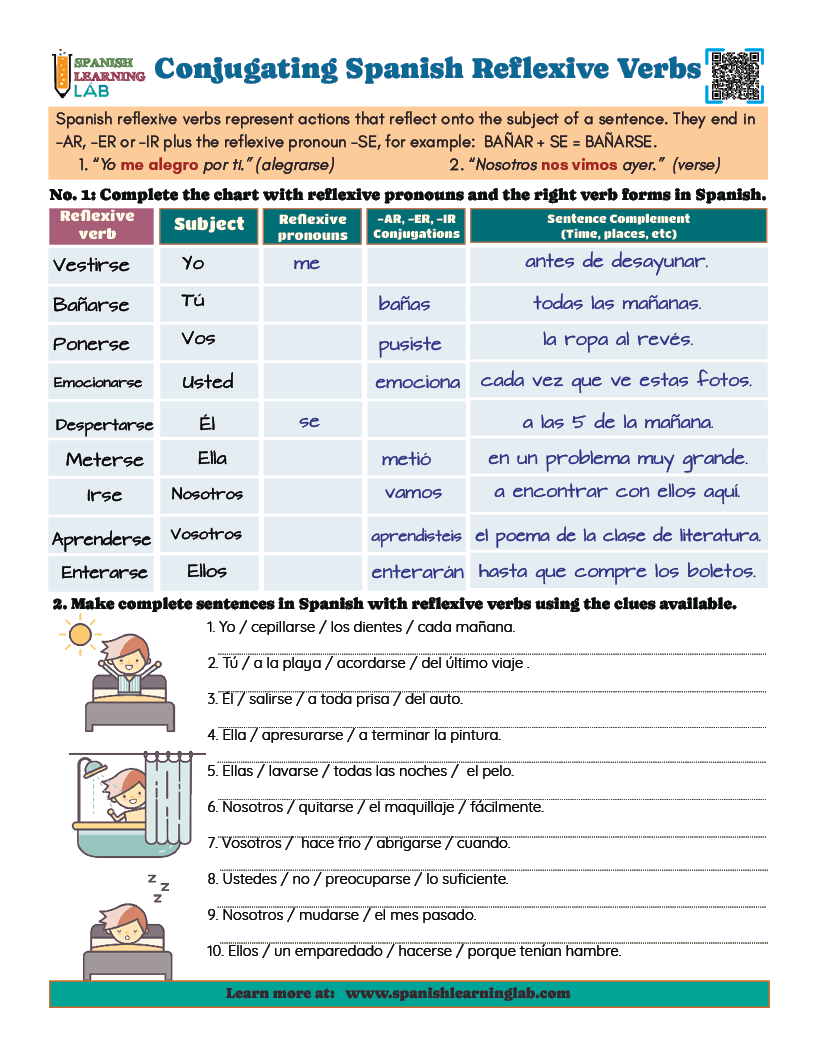
Conjugating Reflexive Verbs In Spanish PDF Worksheet Spanish Learning Lab
