
Learning Spanish can be challenging, especially when it comes to the verbs “ser” and “estar.” These two verbs are both used to express “to be,” but they have different meanings and uses.
While “ser” is used to talk about permanent characteristics or inherent qualities, “estar” is used to talk about temporary conditions or locations. Understanding when to use each verb can be tricky, but with practice, you’ll get the hang of it!
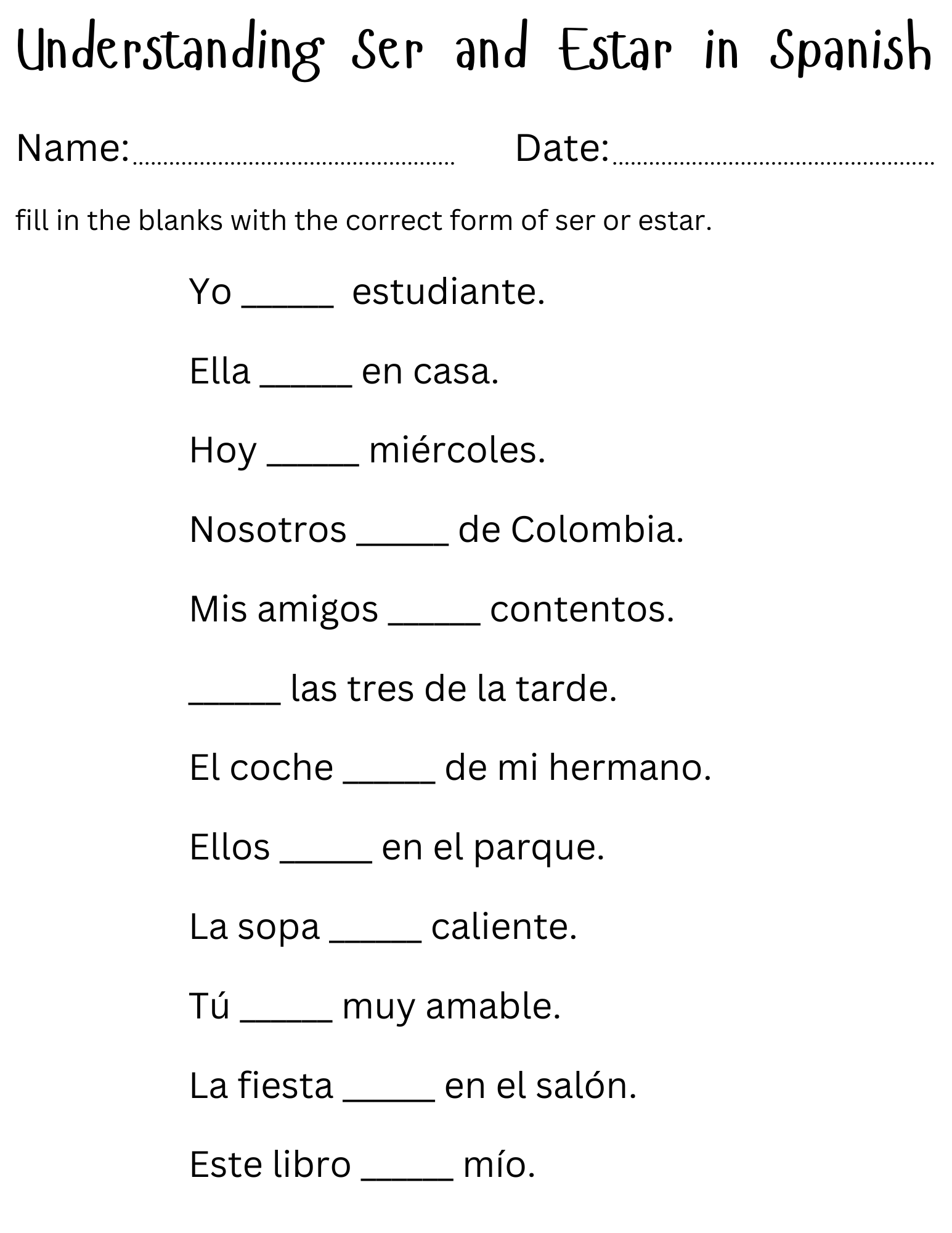
ser vs estar practice
Ser vs Estar Practice
One way to practice using “ser” and “estar” is to create sentences that highlight the differences between the two. For example, you could say “Soy inteligente” (I am intelligent) using “ser” to talk about a permanent trait, and “Estoy cansado” (I am tired) using “estar” to talk about a temporary condition.
Another helpful exercise is to describe a picture or a scene using both “ser” and “estar.” This will help you see how the verbs change the meaning of the sentence based on whether you are talking about a permanent characteristic or a temporary condition.
Don’t be afraid to make mistakes! Practice makes perfect, and the more you use “ser” and “estar” in context, the more comfortable you’ll become with choosing the right verb. Keep practicing, and you’ll soon be a pro at using these tricky verbs!
So next time you’re unsure whether to use “ser” or “estar,” remember to think about whether you’re talking about a permanent characteristic or a temporary condition. With enough practice, you’ll be able to use these verbs with confidence and accuracy!
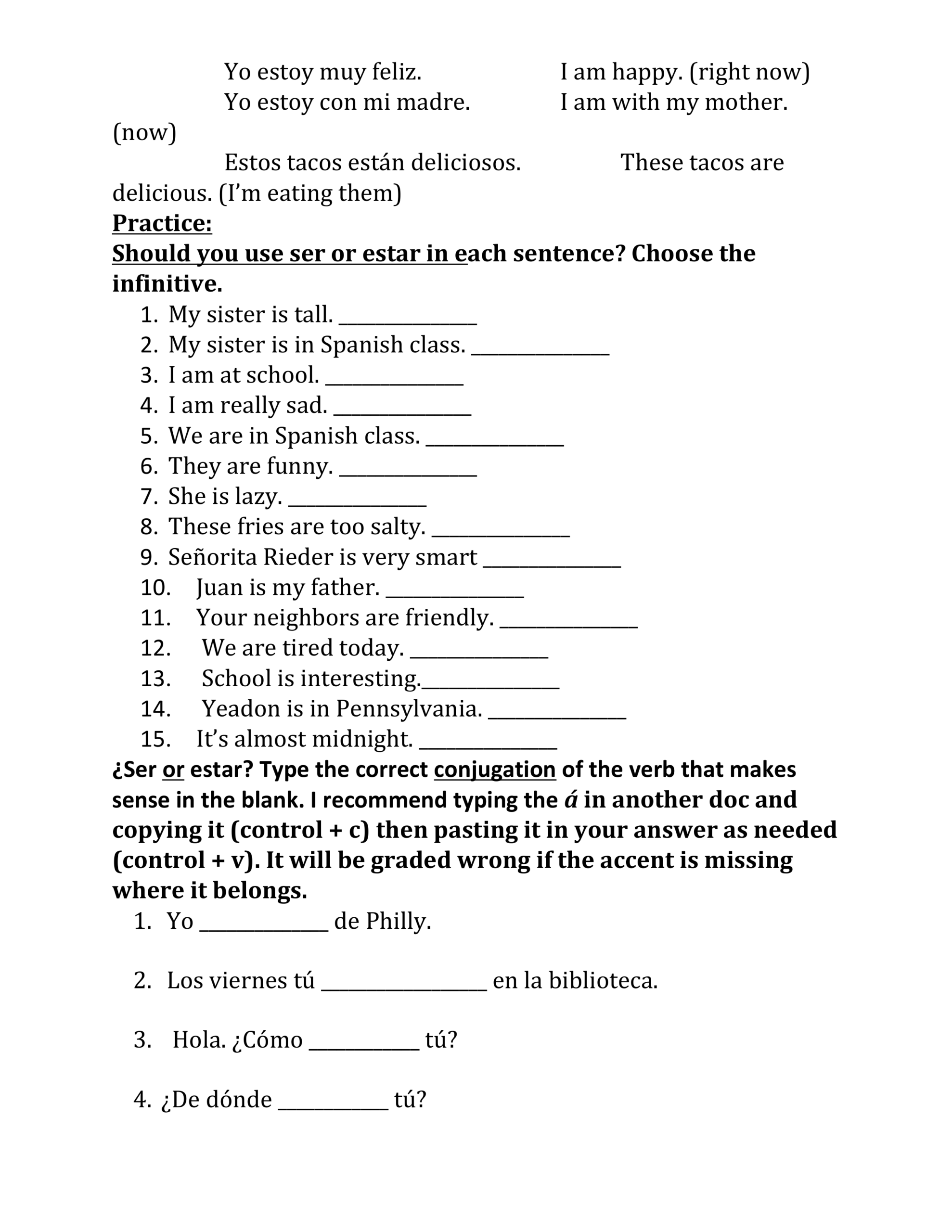
2 LP Ser Vs Estar Practice Amanda Rieder Library Formative
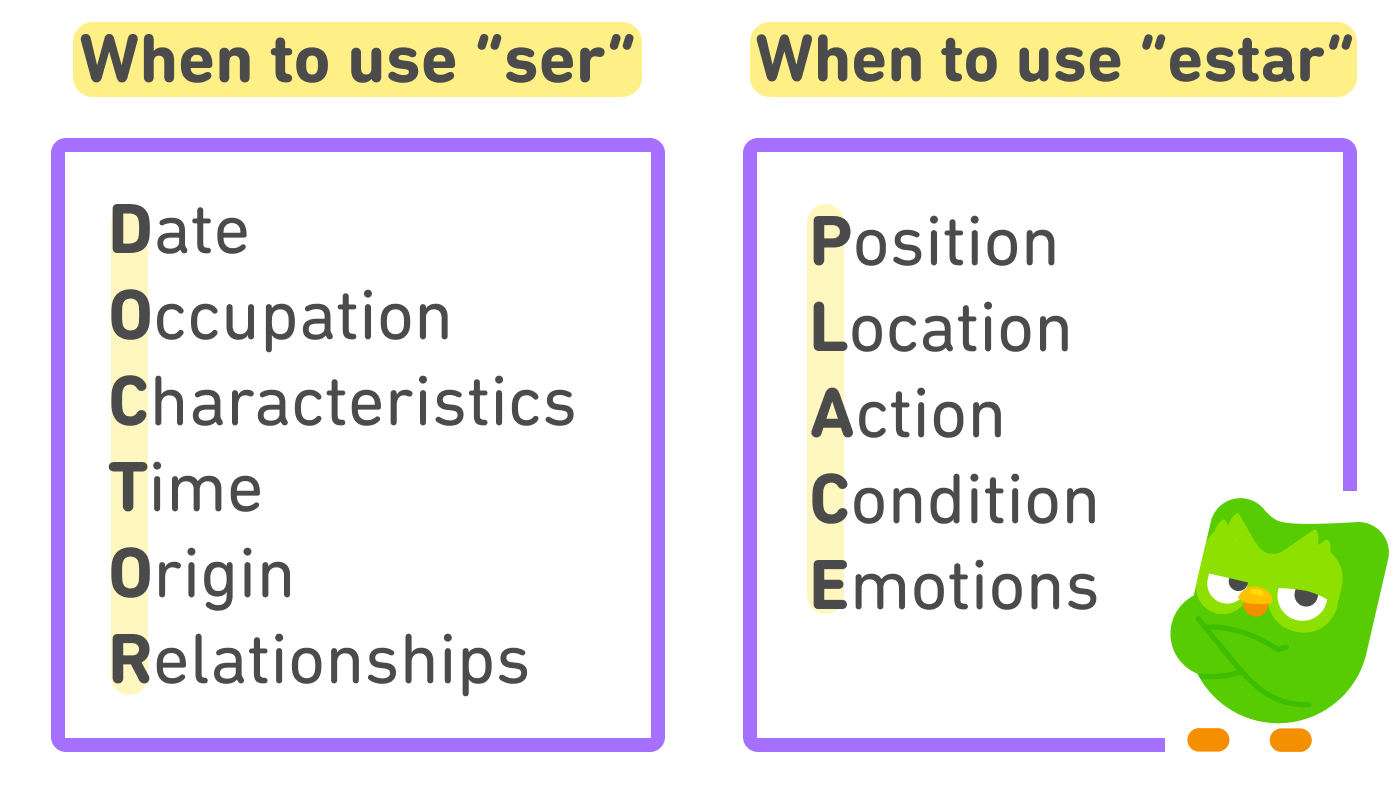
Ser Vs Estar What s The Difference
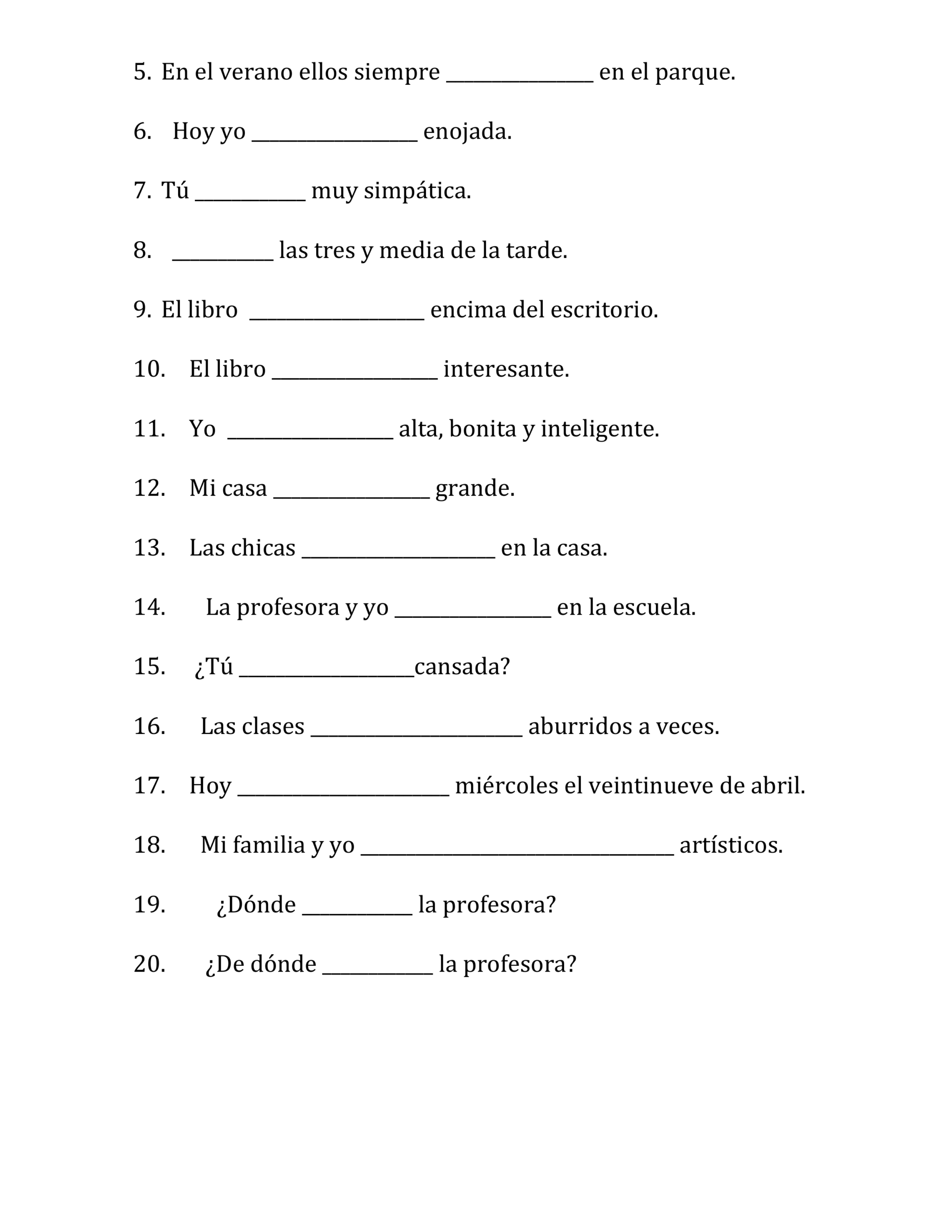
2 LP Ser Vs Estar Practice Amanda Rieder Library Formative
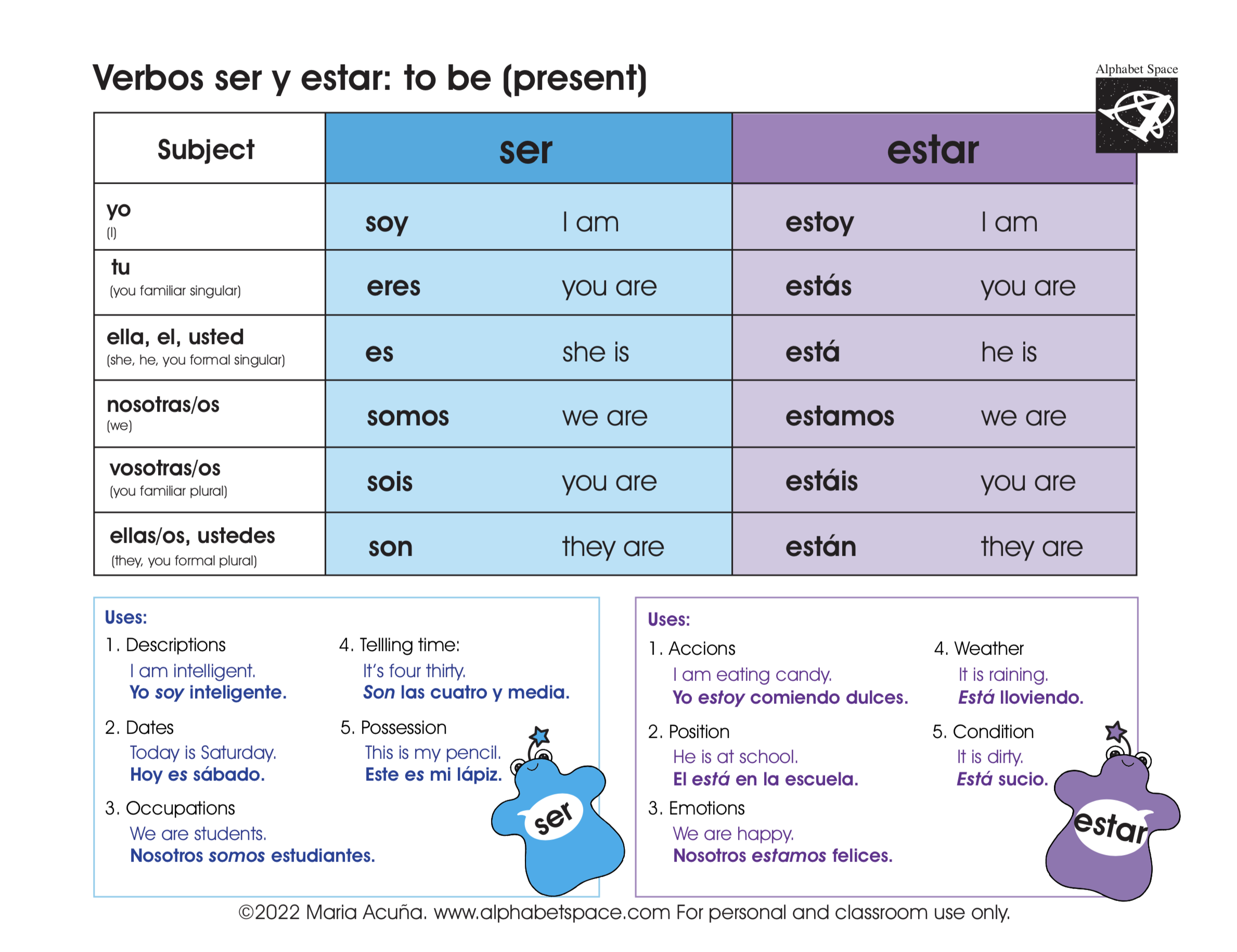
Verbos Ser Y Estar Verb To Be Present Tense Spanish Learning Resources
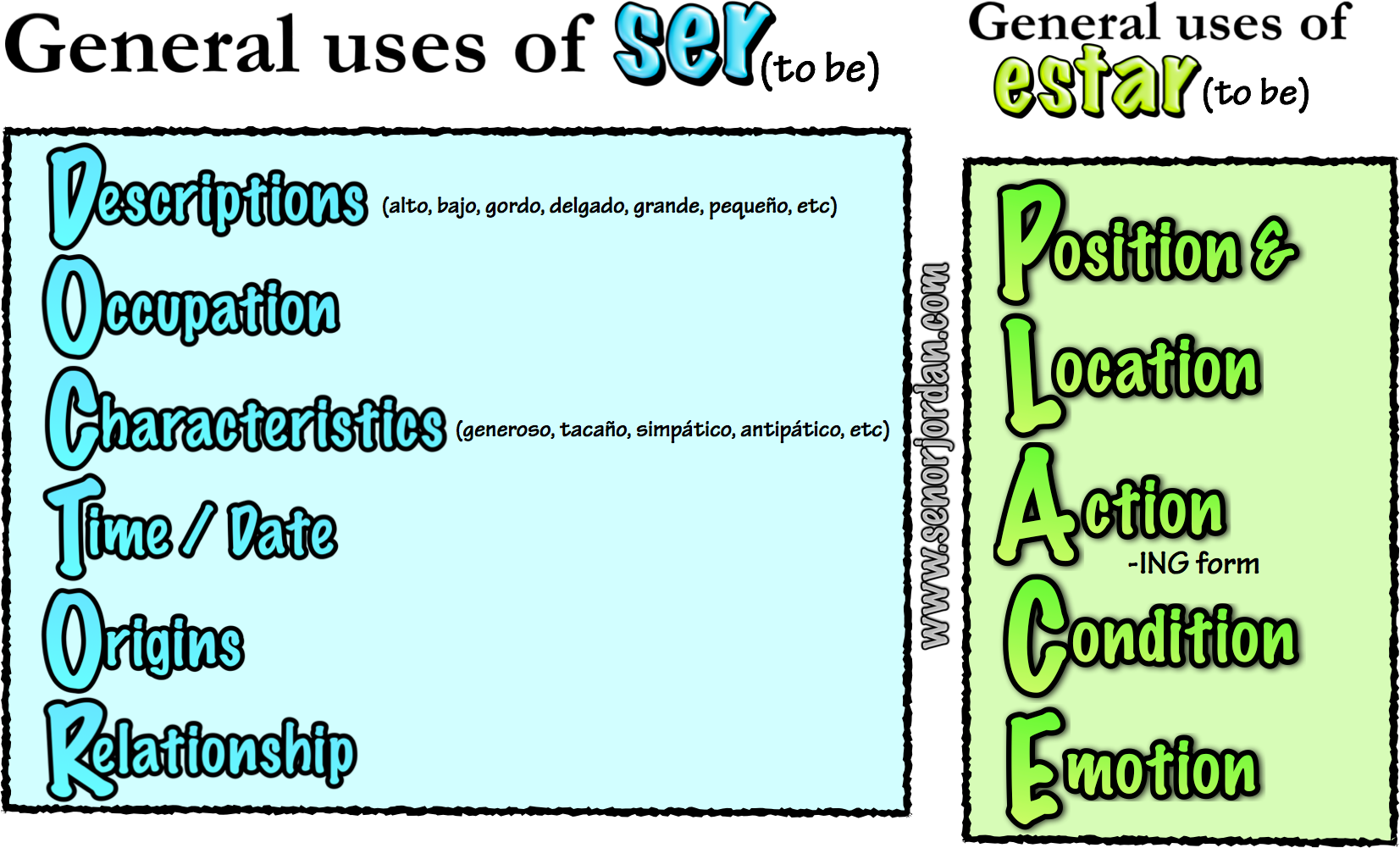
02 Ser Vs Estar Using Both With A Change In Meaning Se or Jordan
