
Have you ever wondered how light is produced with a specific pattern of oscillation? It’s a fascinating process that occurs in various natural and artificial light sources.
Light is a form of electromagnetic radiation that can exhibit different patterns of oscillation depending on its source. Whether it’s sunlight, a light bulb, or a laser beam, each produces light with a unique oscillation pattern.
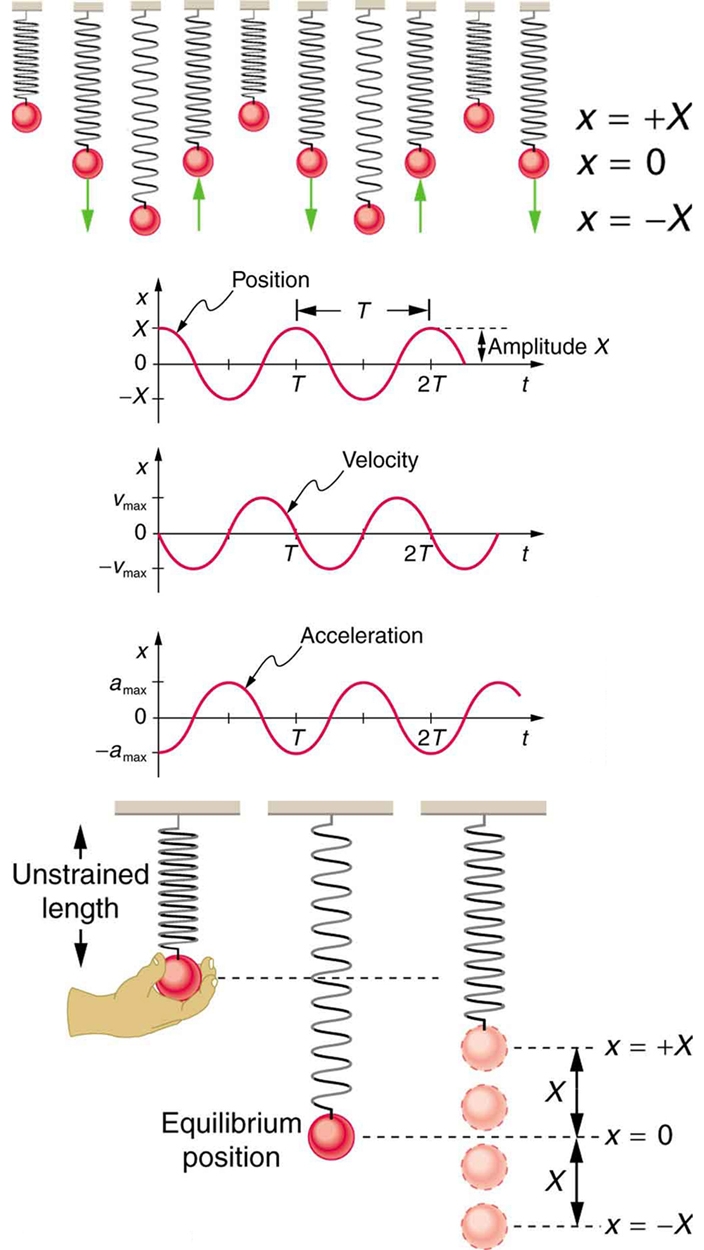
the production of light with a specific pattern of oscillation
The Production of Light with a Specific Pattern of Oscillation
When an atom or molecule absorbs energy, its electrons become excited and move to higher energy levels. As these electrons return to their original energy levels, they release photons, which are particles of light.
The specific pattern of oscillation in light is determined by the frequency and wavelength of the photons emitted. Different light sources produce photons with varying frequencies and wavelengths, resulting in distinctive patterns of oscillation.
For example, incandescent bulbs produce light with a continuous spectrum of wavelengths, while fluorescent lights emit light with distinct peaks at specific wavelengths. LEDs, on the other hand, generate light with a narrow band of wavelengths, creating a focused pattern of oscillation.
By understanding the production of light with a specific pattern of oscillation, scientists and engineers can develop technologies that harness light for various applications, from communication and imaging to medical treatments and beyond.
Next time you turn on a light or gaze at the stars, take a moment to appreciate the intricate process behind the production of light with its unique pattern of oscillation. It’s a beautiful phenomenon that illuminates our world in more ways than one.
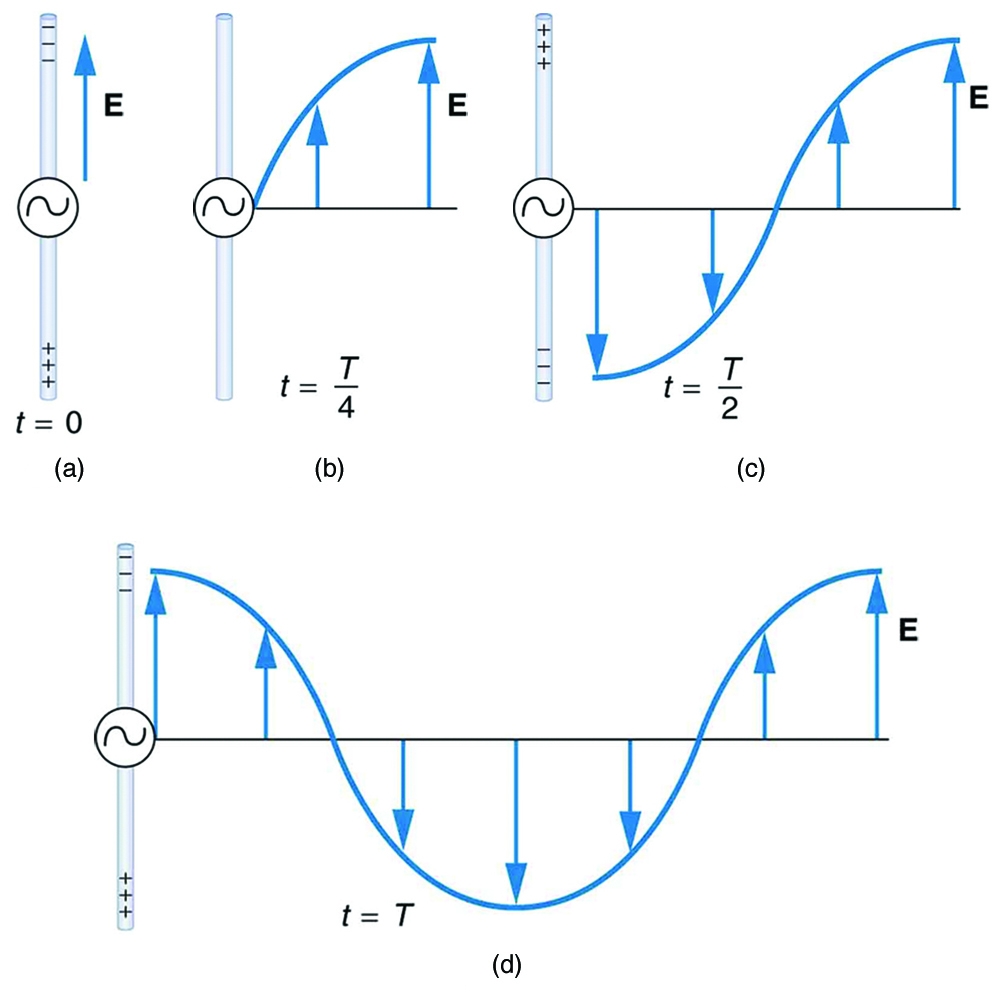
Production Of Electromagnetic Waves Intro To Physics For Non Majors
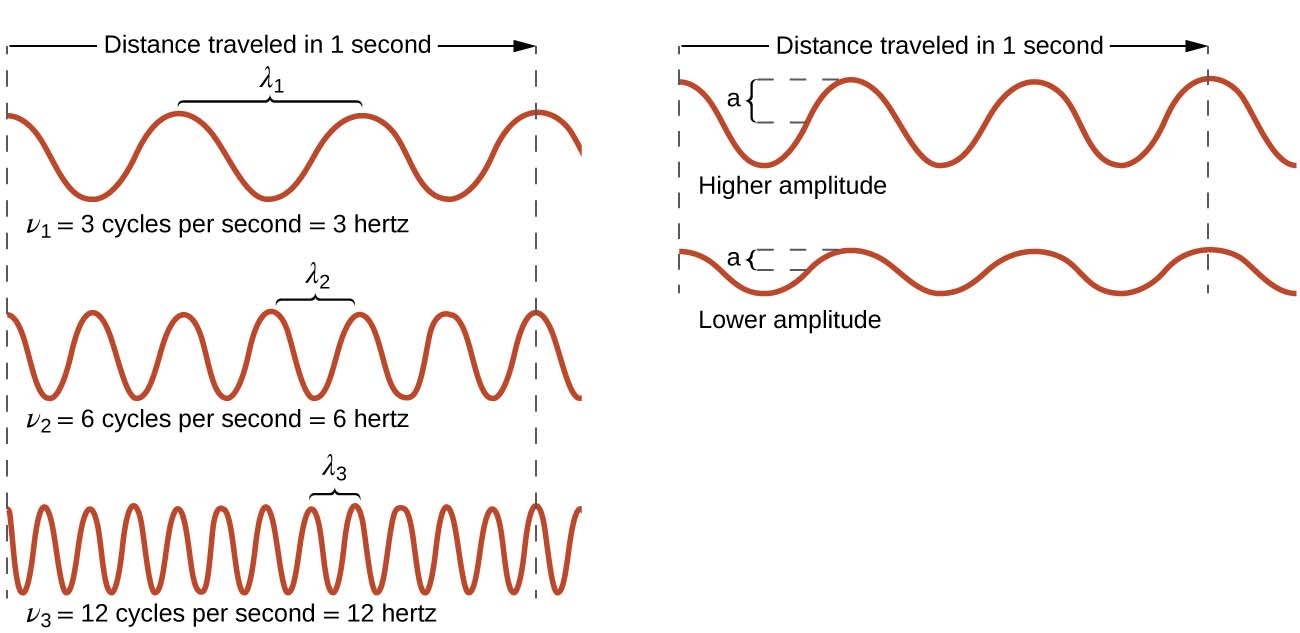
EdTech Books
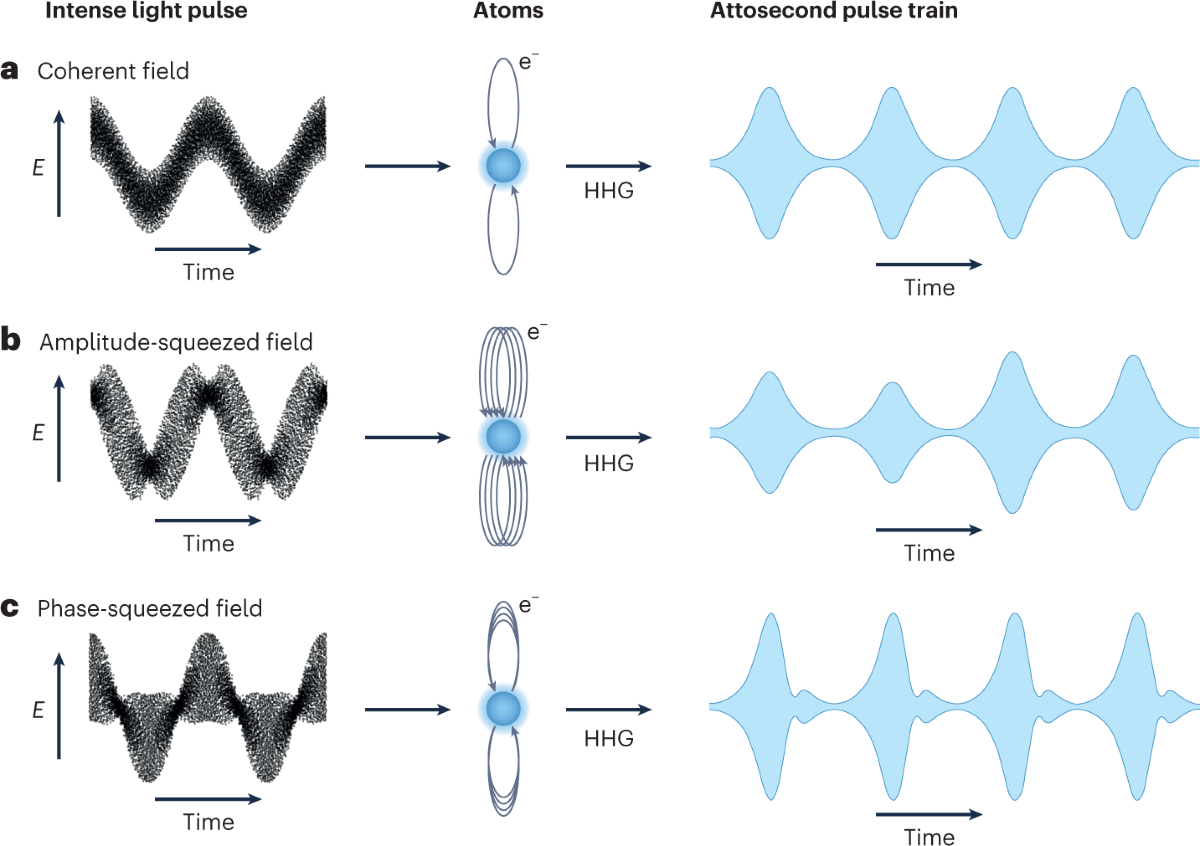
Squeezed Light Effect Nature Photonics
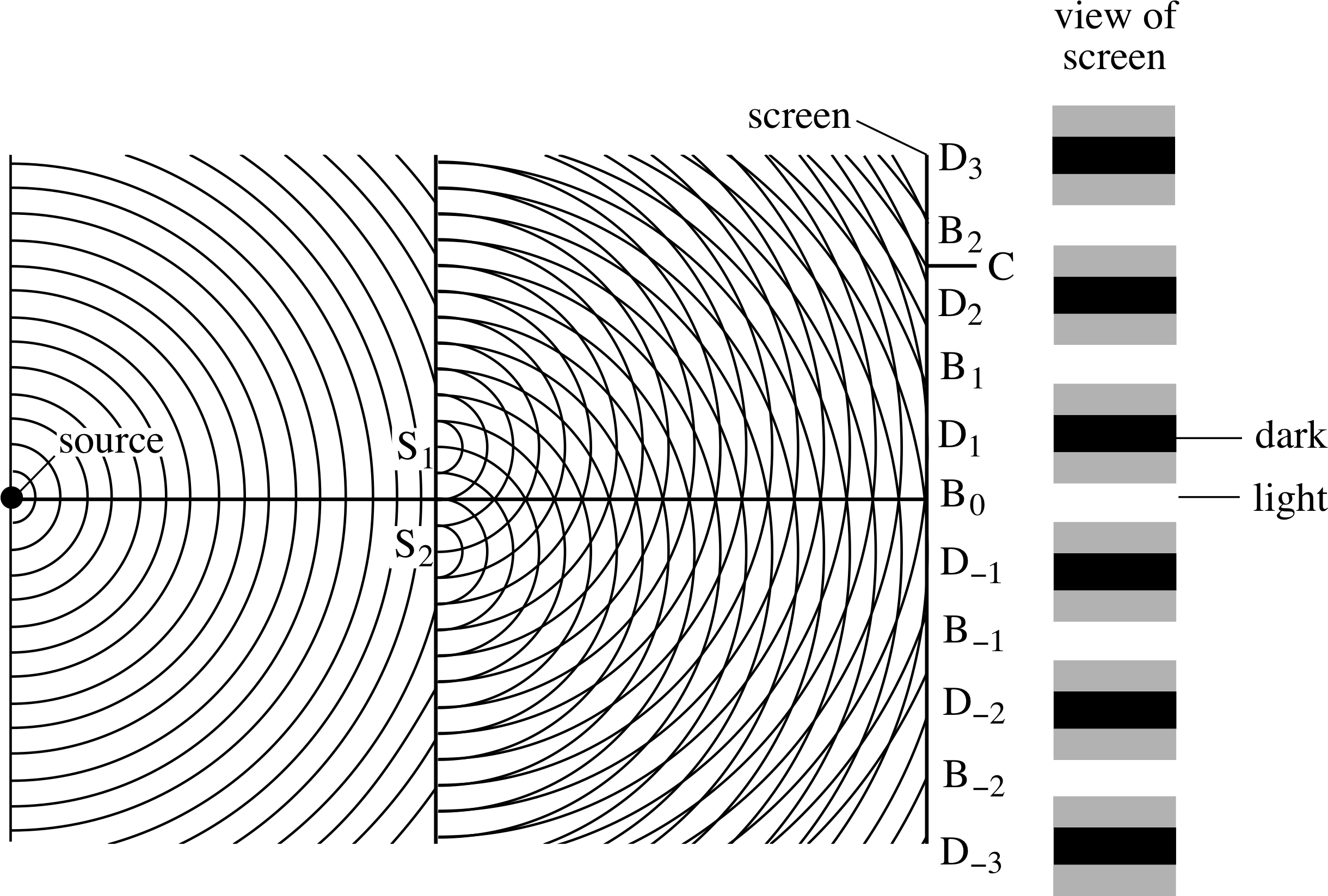
PPLATO FLAP PHYS 6 1 Light A Wave Phenomenon
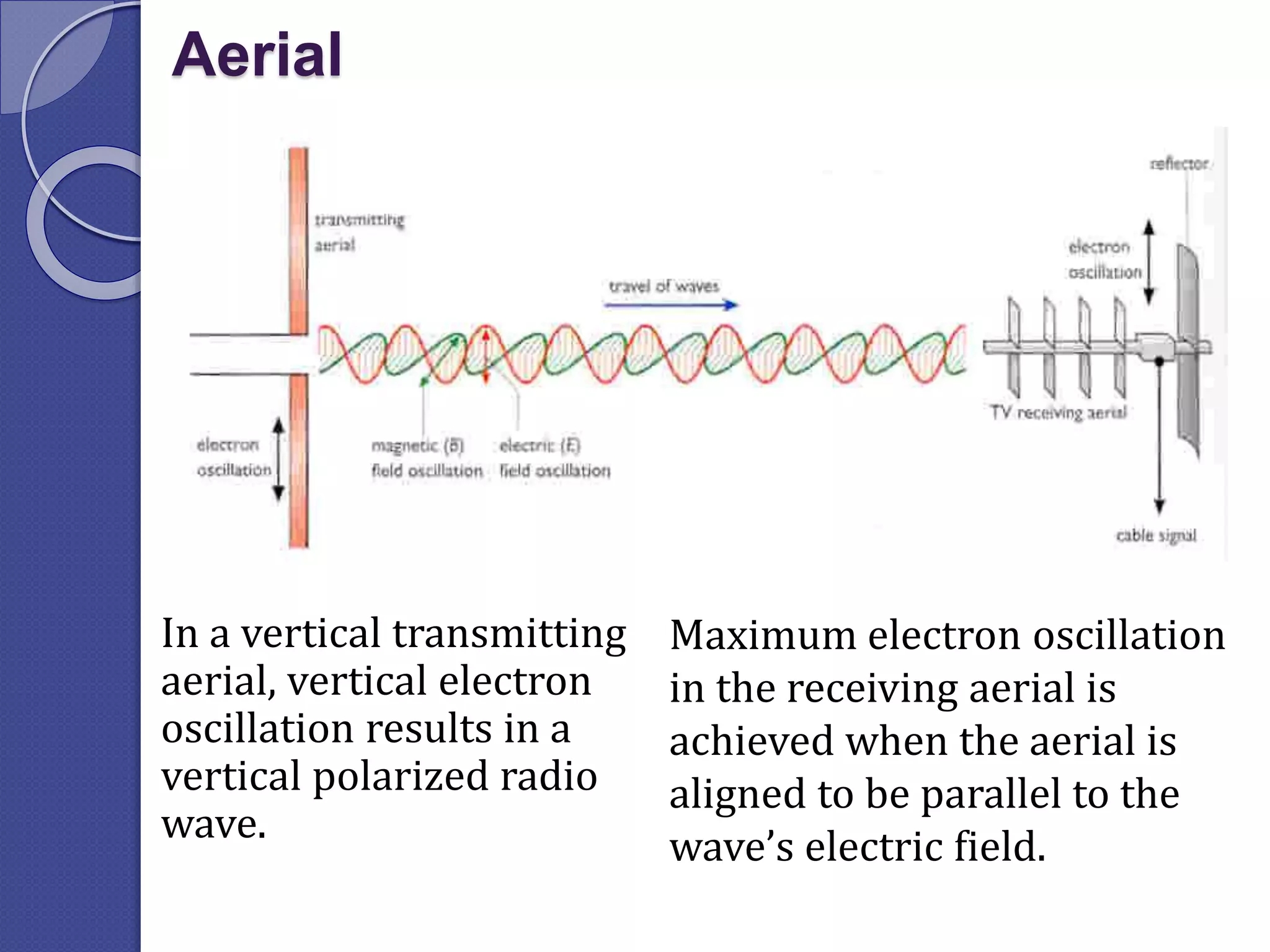
Polarization Of Light PPTX
