
Do you ever stop and think about how amazing the verb “to be” is? It’s a tiny word with a big impact. It’s the glue that holds our sentences together, helping us express thoughts and feelings effortlessly.
Whether we’re talking about the past, present, or future, “to be” always has our backs. It’s so versatile, allowing us to convey existence, identity, or even location with just a few letters. Without it, our language would be a lot less expressive.
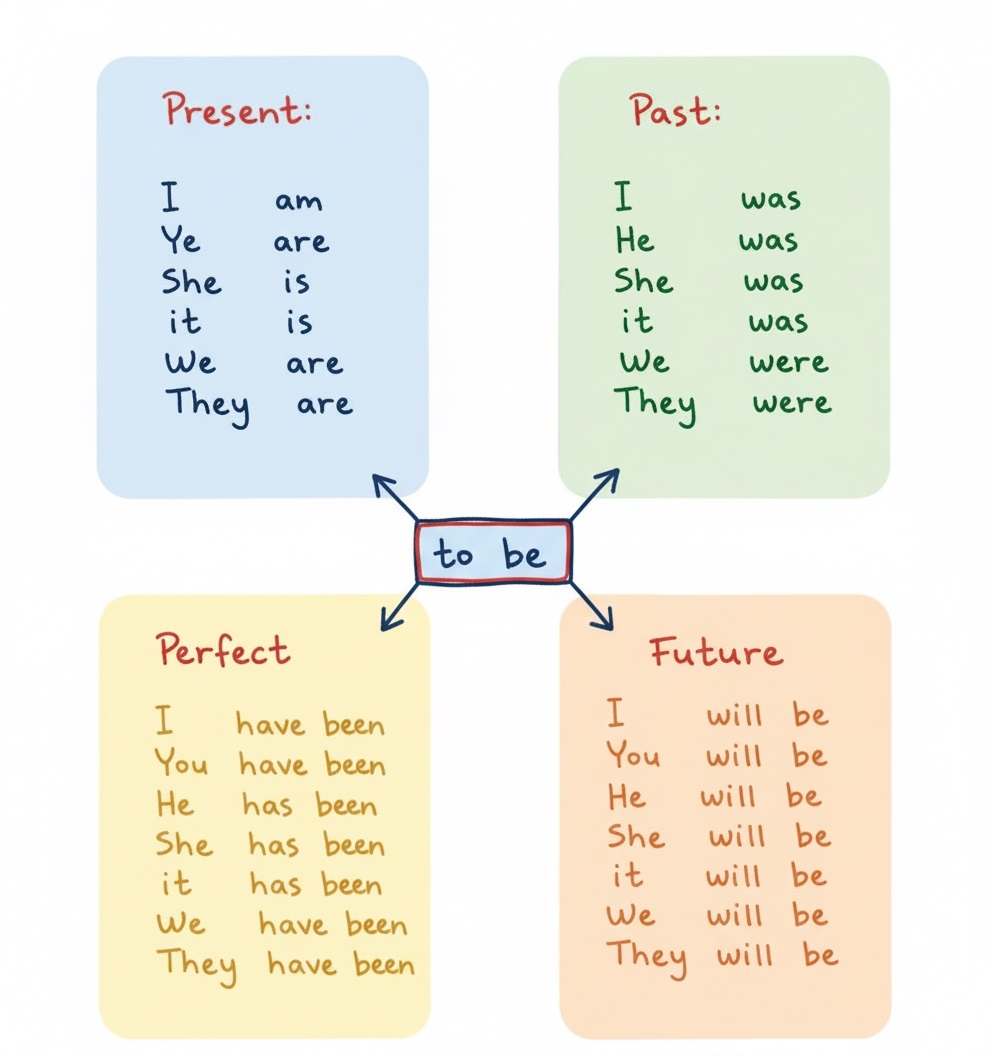
verb to b e
The Power of the Verb “to be”
When we use “to be,” we’re able to make statements about the world around us and our place in it. It helps us describe things, people, and situations, giving our words depth and meaning. Without it, our sentences would lack clarity and purpose.
Whether we’re saying “I am happy” or “She was tired,” “to be” helps us communicate our emotions and experiences effectively. It’s a simple yet essential part of our everyday language, making it easier for us to connect with others and share our thoughts.
Next time you’re crafting a sentence, take a moment to appreciate the verb “to be.” It may seem small and insignificant, but its impact is undeniable. So, let’s give a nod to this hardworking little word that keeps our conversations flowing smoothly.
In conclusion, the verb “to be” may be small, but its significance is vast. It’s a vital part of our language, helping us express ourselves with clarity and precision. So, let’s raise a toast to this unsung hero of the grammar world!
The Verb To Be Explained With Examples Grammarly Blog
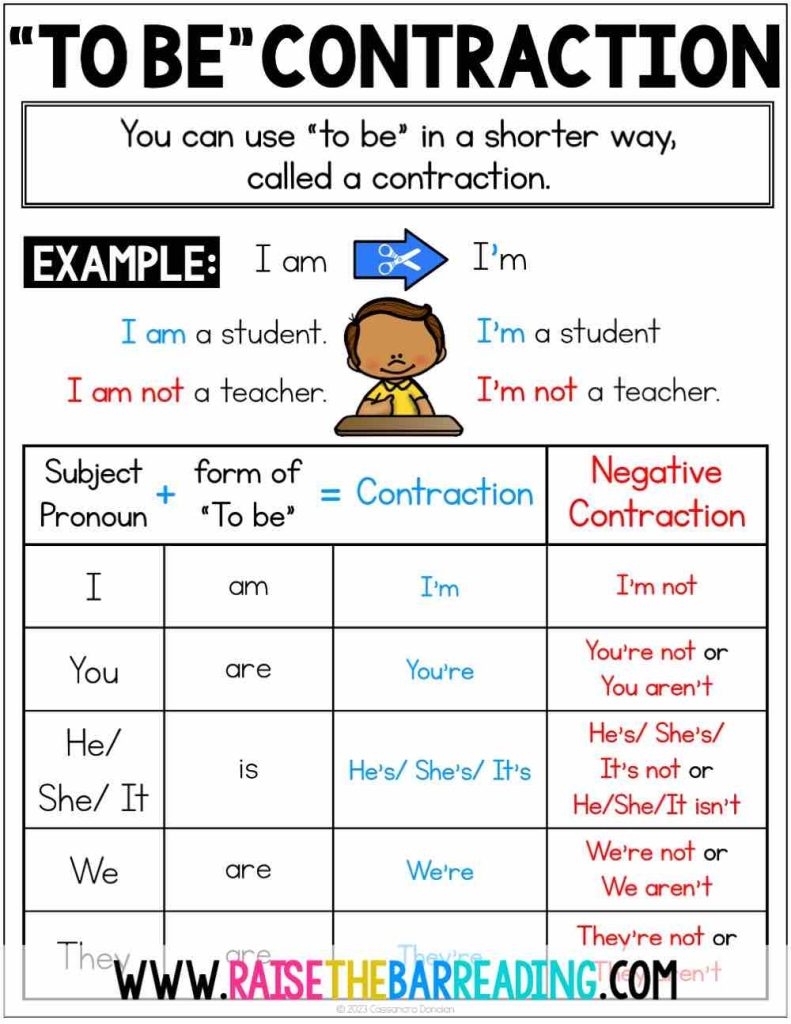
Teaching The Verb To Be In English To Newcomer ELs ESL Raise The Bar Reading
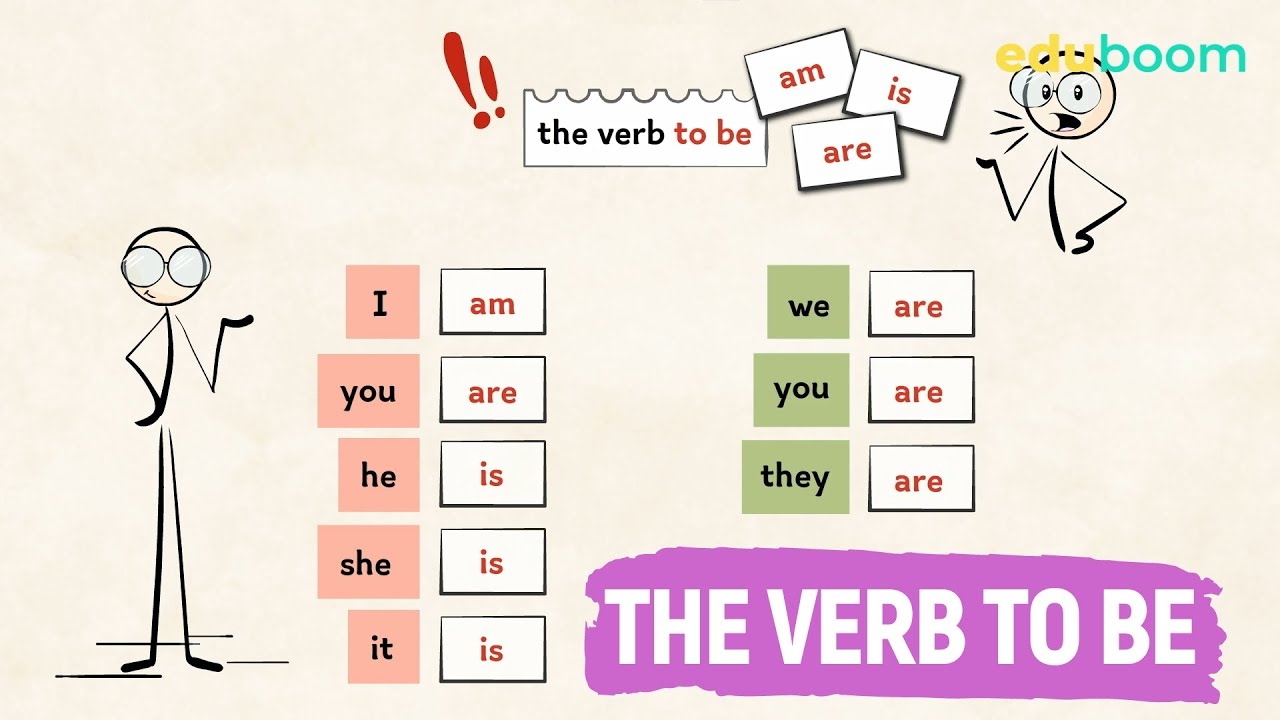
The Verb To Be Ingl s En Ingl s Principiantes YouTube
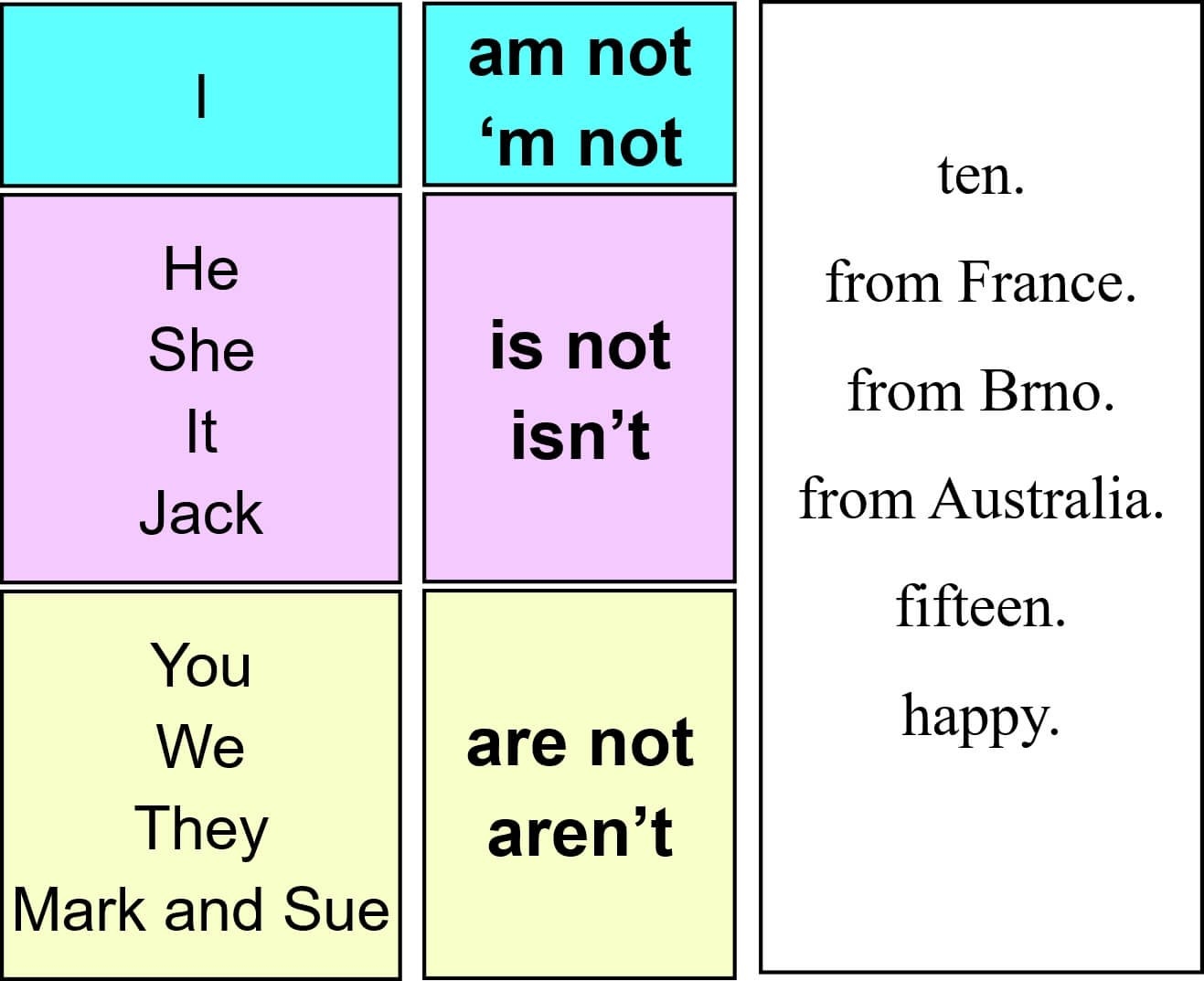
Verb To BE Negative Form Games To Learn English
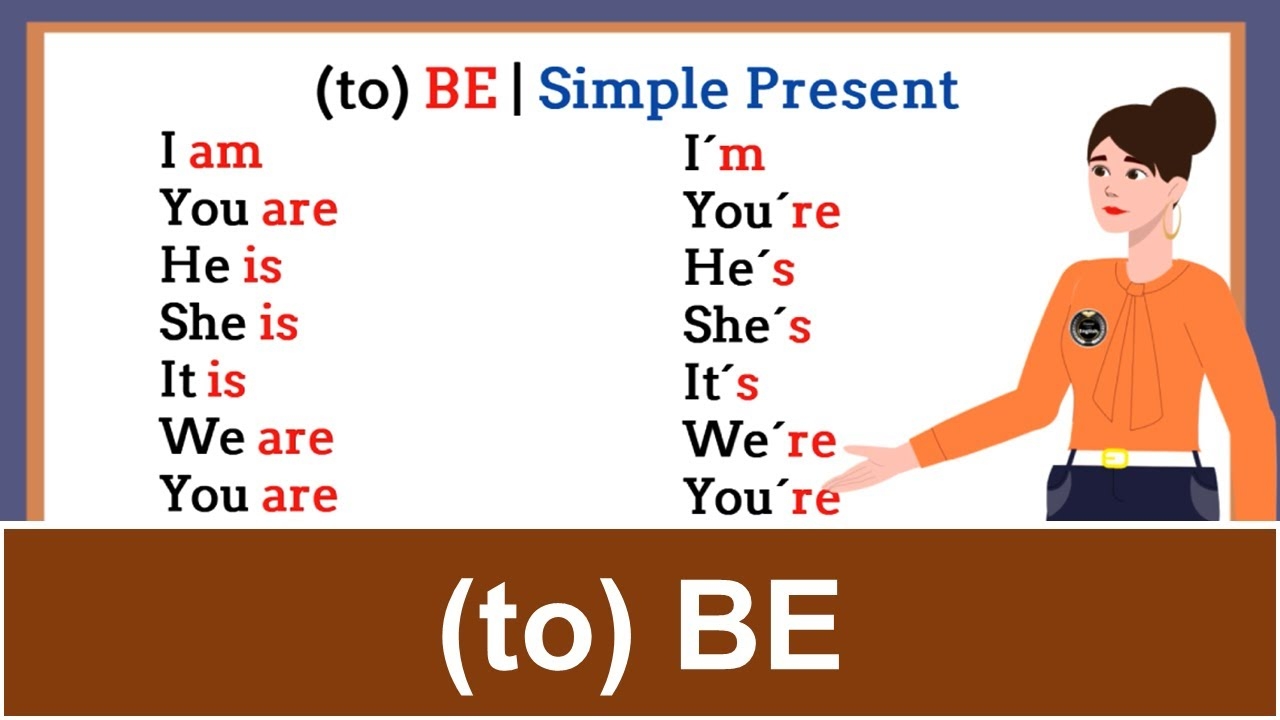
Conjugate The Verb to Be In Simple Present With Examples YouTube
