
Living in Northern Virginia, you may have noticed the unique wind patterns that flow through the region. Understanding these wind patterns can help you plan your outdoor activities and even save on energy costs.
One of the reasons for the distinct wind patterns in Northern Virginia is its proximity to the coast and the mountains. The Chesapeake Bay and the Blue Ridge Mountains both play a significant role in shaping the airflow in the area.
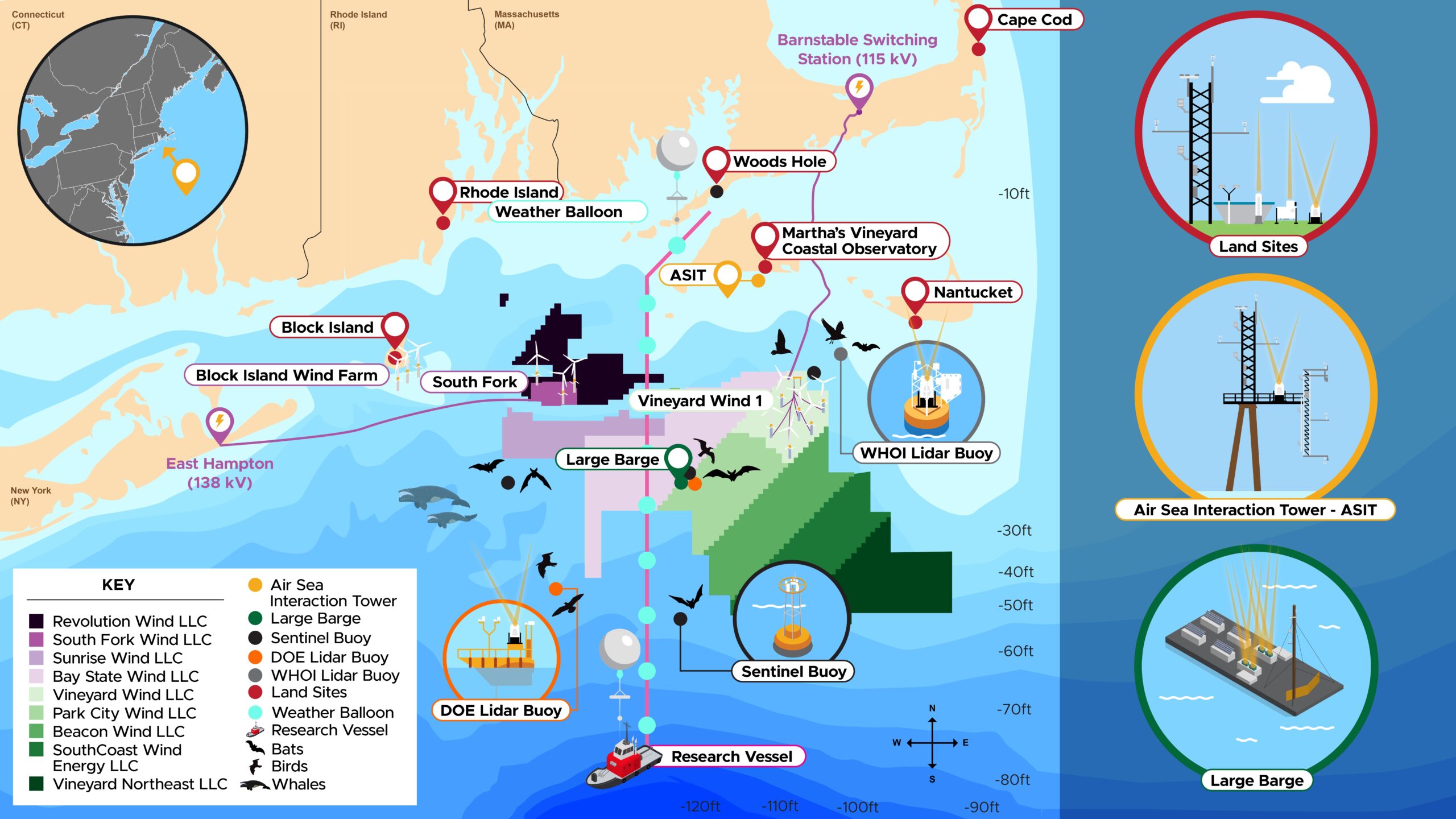
wind pattern northern virginia
The Influence of Geography on Wind Patterns in Northern Virginia
During the summer months, the prevailing winds in Northern Virginia tend to come from the south and southeast. These warm, moist winds bring humidity and can result in afternoon thunderstorms. In contrast, the winter months see more northwest and northeast winds, which can bring colder temperatures and occasional snowfall.
The topography of the region also affects wind patterns. The Blue Ridge Mountains to the west can create a barrier that deflects or accelerates the wind, leading to variations in wind speed and direction. Additionally, urban areas with tall buildings can create localized wind patterns that differ from surrounding areas.
Whether you enjoy outdoor activities like hiking, biking, or sailing, knowing the wind patterns in Northern Virginia can help you plan your adventures more effectively. By paying attention to weather forecasts and understanding how geography influences wind flow, you can make the most of your time outdoors.
Next time you feel a cool breeze on a summer evening or a gust of wind on a winter day, take a moment to appreciate the intricate dance of wind patterns in Northern Virginia. Understanding the forces at play can deepen your connection to the natural world around you.
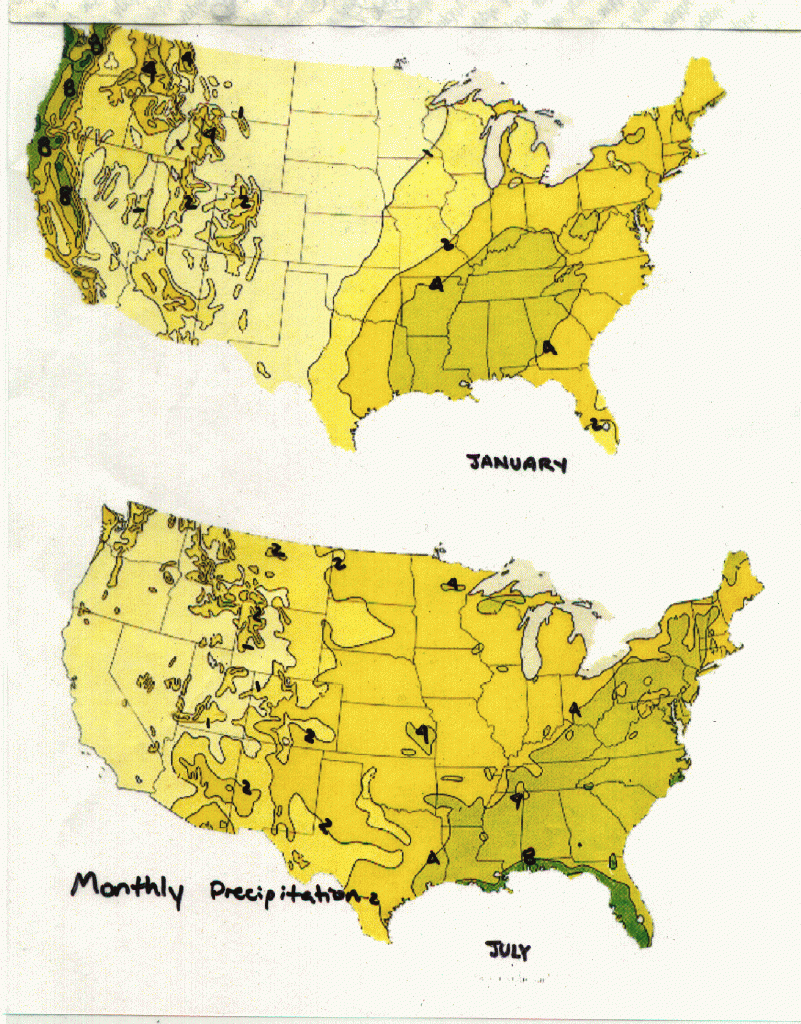
East Coast
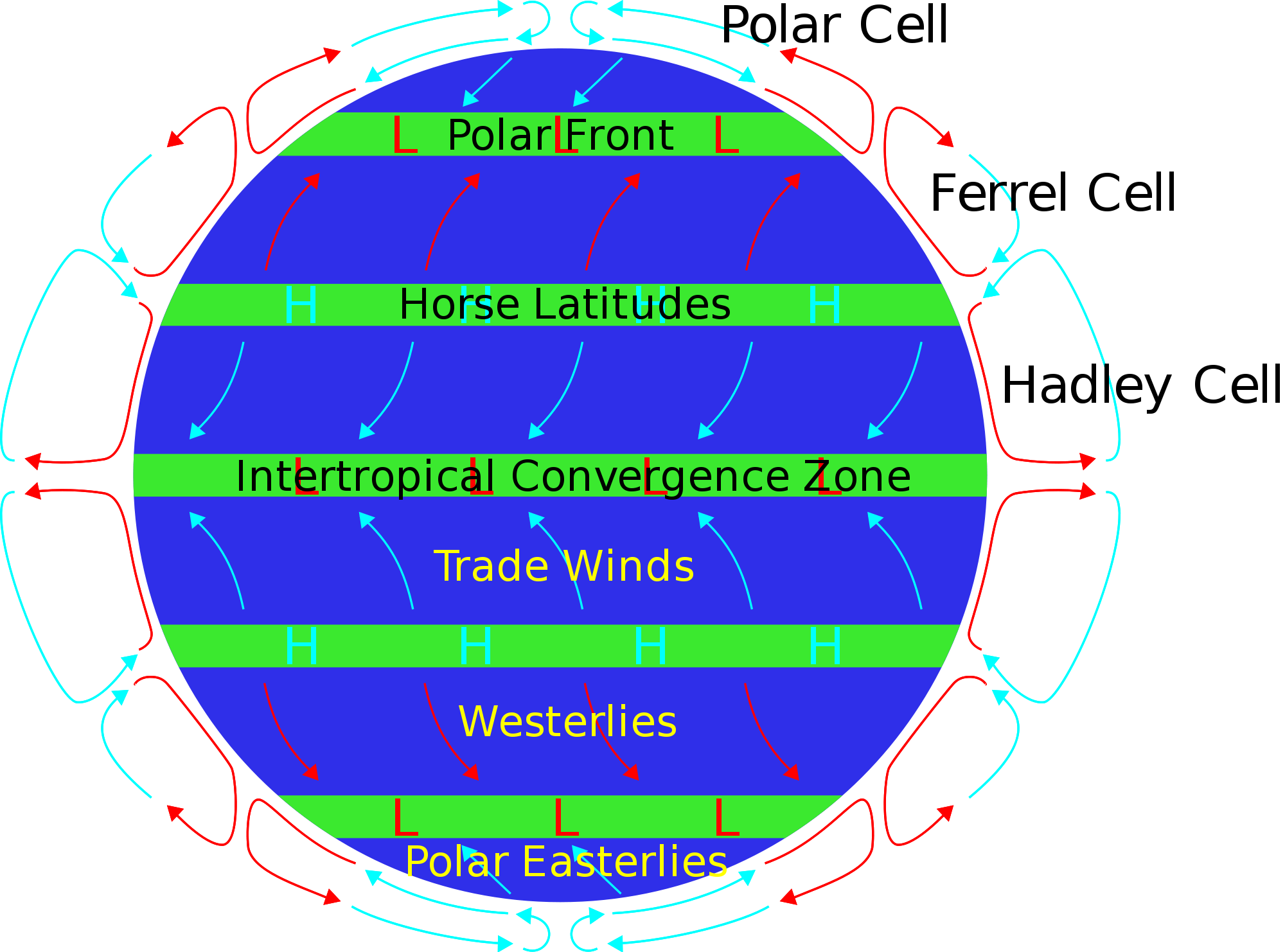
How The Earth Rotates Steemit
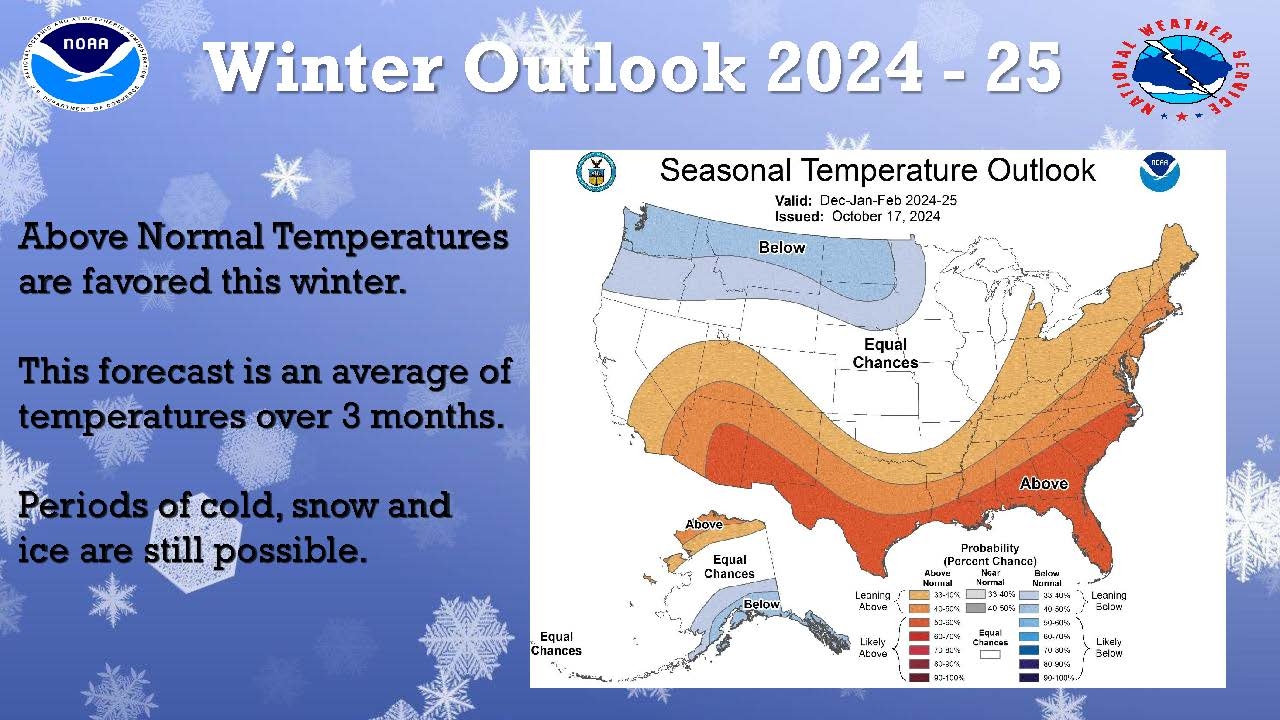
Winter Weather Awareness Week Virginia 12 2 12 6 2024
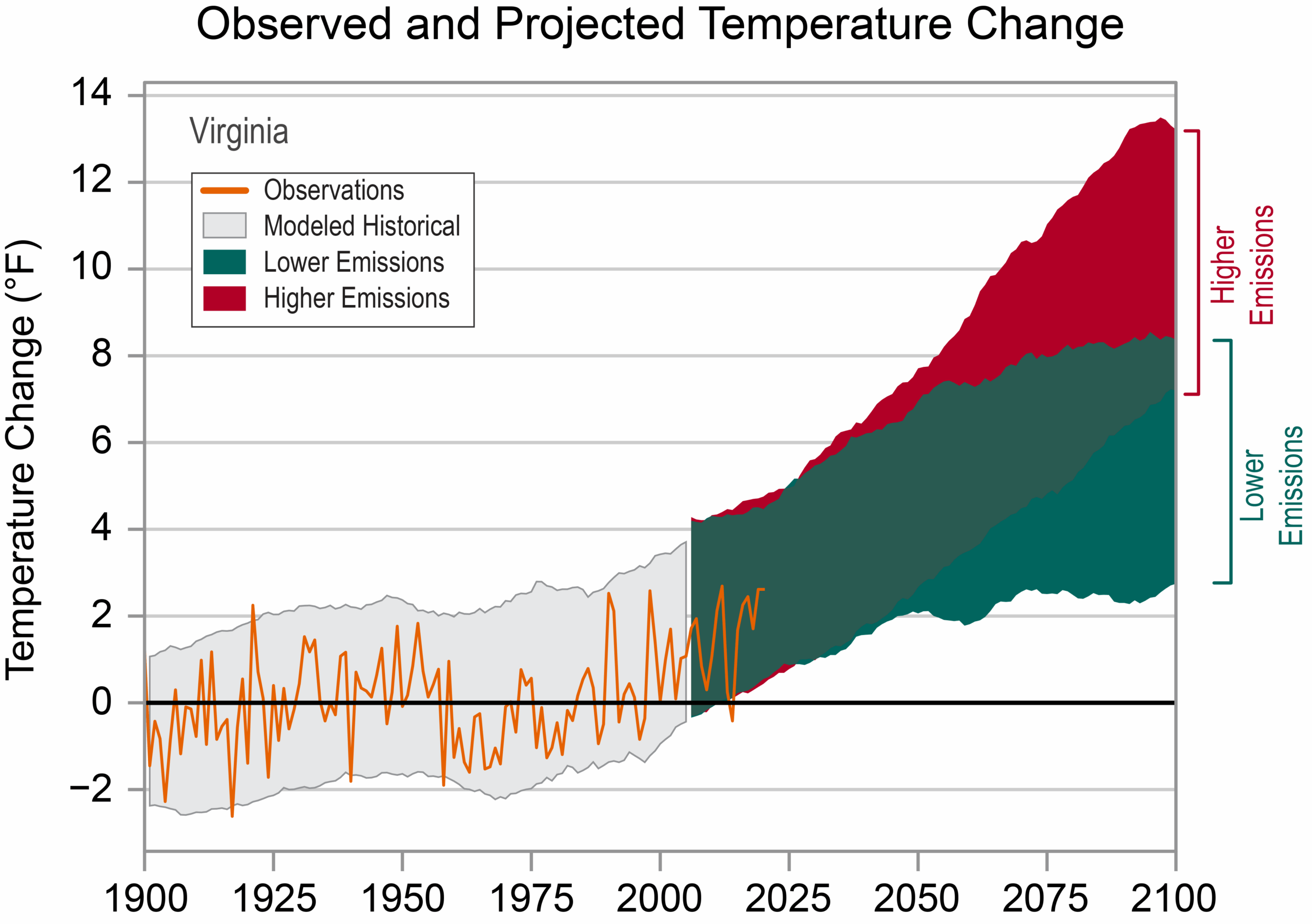
Virginia State Climate Summaries 2022
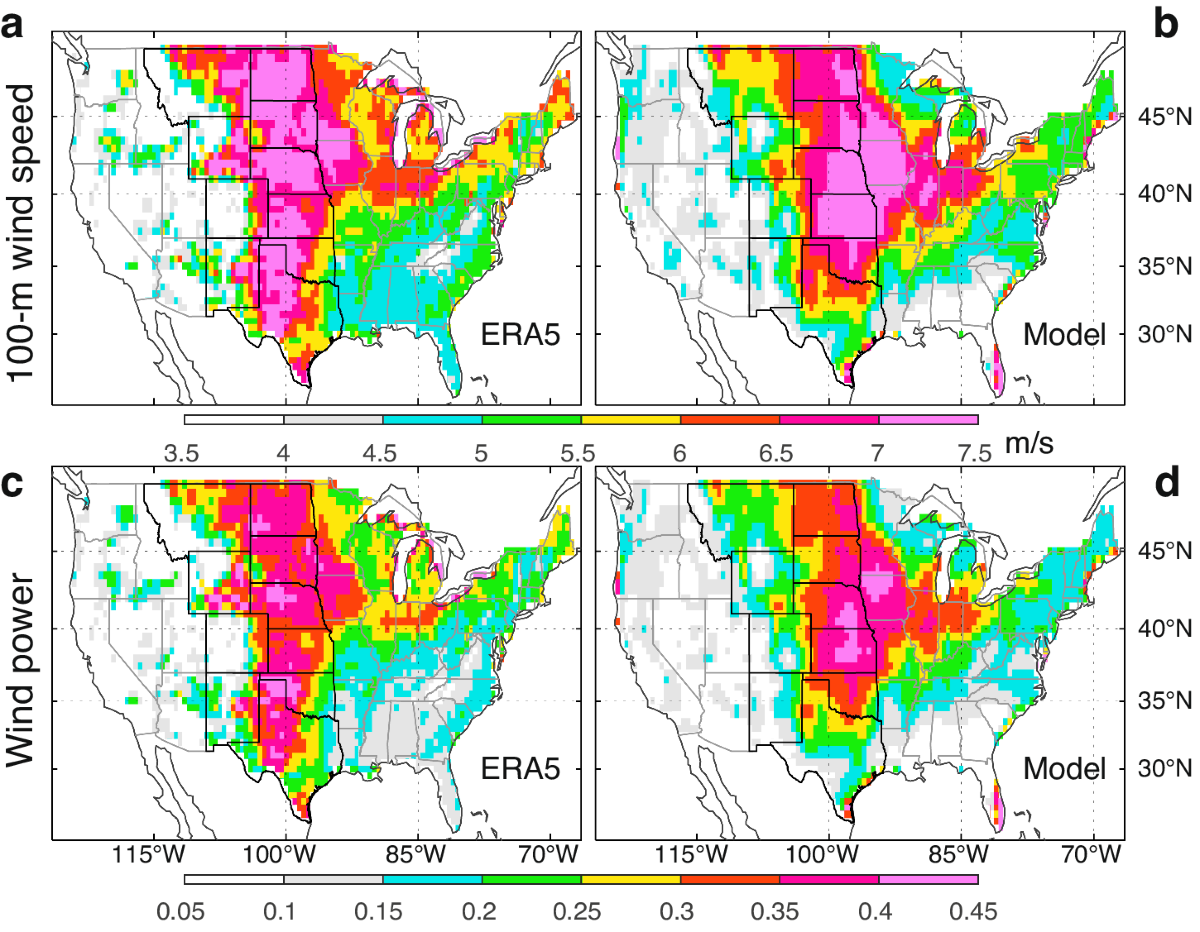
Skillful Seasonal Prediction Of Wind Energy Resources In The Contiguous United States Communications Earth Environment
